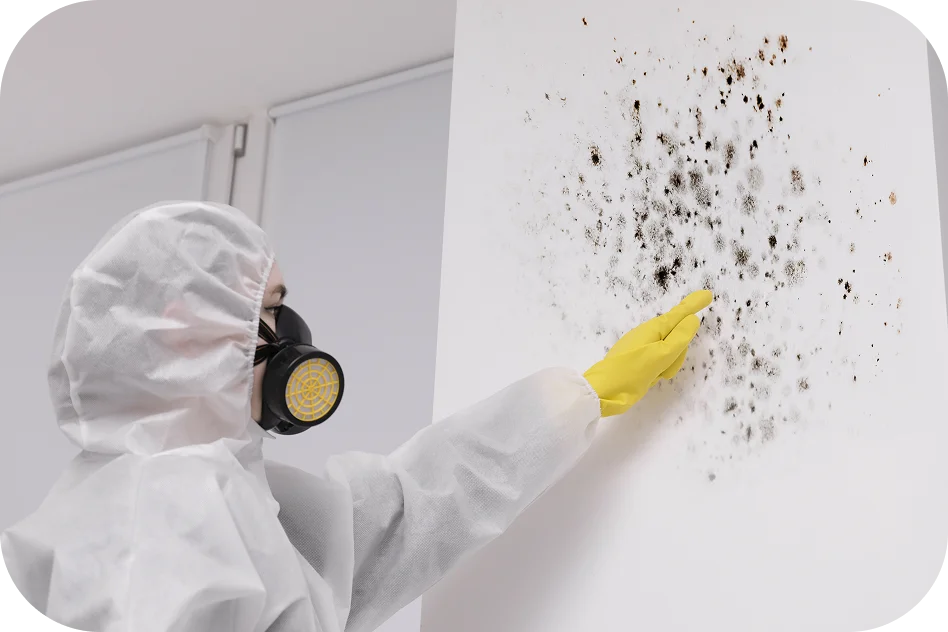

Mold on painted walls is a common problem in many homes. It often appears as black, green, gray, or brown spots and usually grows in damp or poorly ventilated areas. Bathrooms, kitchens, basements, laundry rooms, and bedrooms with high humidity are especially vulnerable to mold growth.
Besides looking unpleasant, mold can also create a musty smell and may affect indoor air quality. If ignored for too long, it can spread across walls, ceilings, and nearby surfaces. Many homeowners worry that removing mold from painted walls will damage the paint or ruin the wall surface, but in many cases, mold can be cleaned safely with the right approach.
The key is acting quickly before the mold spreads deeper into the wall or drywall underneath the paint.
In this guide, we will explain how to remove mold from painted walls safely, what cleaning solutions work best, what causes mold growth, and how to prevent mold from returning in the future.
What Causes Mold on Painted Walls?
Mold grows when moisture, warmth, and poor airflow combine together. Painted walls can still develop mold if moisture builds up on or behind the surface.
Common causes include:
- High humidity
- Water leaks
- Condensation
- Poor ventilation
- Flood damage
- Steam buildup
- Damp rooms
- Roof leaks
- Plumbing leaks
Mold spores naturally exist in the air, but they only begin growing when moisture becomes available.

Common Types of Mold Found on Walls
Different types of mold can grow on painted walls depending on moisture levels and indoor conditions. Some molds appear harmless at first but can spread quickly if ignored.
Black Mold
Black mold is one of the most well-known types of household mold. It often appears as dark black or greenish-black patches and usually grows in damp areas with long-term moisture problems.
Green Mold
Green mold commonly appears on walls exposed to humidity or water damage. It may look fuzzy or powdery and often spreads quickly in bathrooms and basements.
White Mold
White mold can look dusty or fluffy and is sometimes mistaken for dirt or wall residue. It often grows in cool and damp spaces.
Yellow Mold
Yellow mold is less common but may appear in areas with excessive moisture. Some types can have a slimy texture.
Brown Mold
Brown mold often develops on damp painted walls, wood, or wallpaper. It may look darker over time as it spreads.
Pink Mold
Although often called mold, pink growth on walls is usually bacteria rather than true mold. It commonly appears in humid bathrooms and near sinks or showers.
Identifying the exact type of mold can sometimes require professional testing, especially if the mold covers large areas or repeatedly returns after cleaning.
Signs of Mold on Painted Walls
Sometimes mold is obvious, while other times it may be hidden behind furniture or in corners.
Common signs include:
- Black or green spots
- Musty smell
- Peeling paint
- Bubbling paint
- Damp wall areas
- Discoloration
- Allergy symptoms indoors
Finding mold early makes removal much easier.
Is Mold on Painted Walls Dangerous?
Small amounts of mold are often manageable, but larger infestations can become a health concern.
Some people may experience:
- Sneezing
- Coughing
- Headaches
- Eye irritation
- Skin irritation
- Breathing issues
People with allergies, asthma, or weakened immune systems may be more sensitive to mold exposure.
If mold covers large areas or keeps returning, professional inspection may be necessary.
Can Mold Grow Under Paint?
Yes, mold can grow underneath paint if moisture becomes trapped inside the wall.
This often happens when:
- Walls are painted before fully drying
- Water leaks go unnoticed
- Humidity remains high
- Old mold was painted over instead of removed
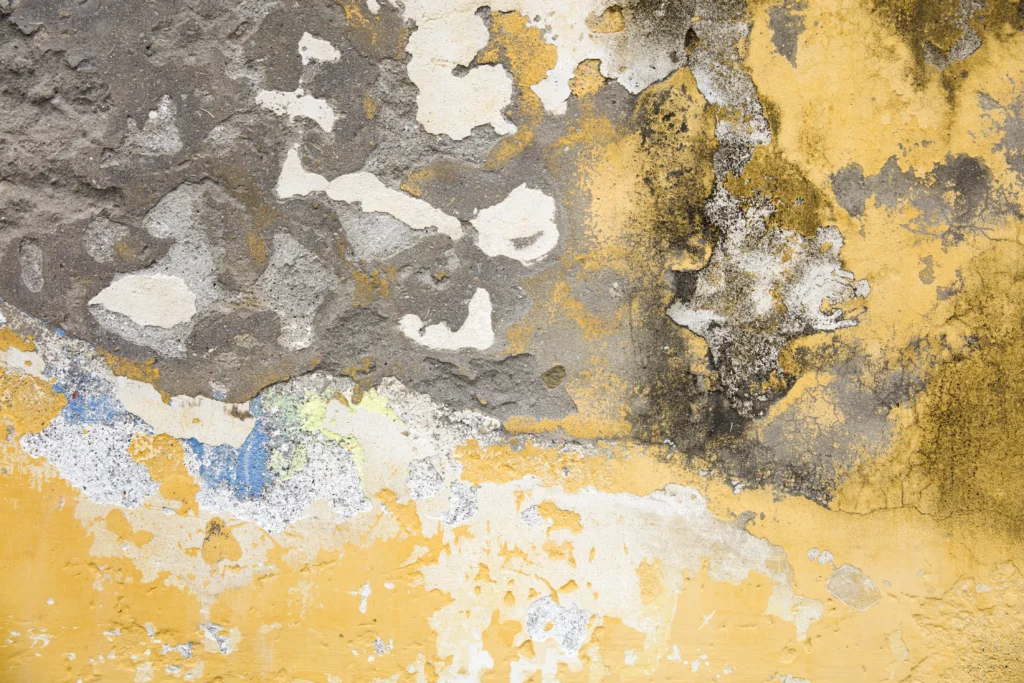
In some cases, mold beneath paint causes bubbling, cracking, or peeling.
Safety Before Cleaning Mold
Before cleaning mold from painted walls, it is important to protect yourself.
Wear Gloves
Rubber or disposable gloves help prevent skin contact.
Use a Mask
A mask helps reduce inhalation of mold spores.
Open Windows
Fresh airflow helps reduce moisture and improve ventilation.
Protect Your Eyes
Safety glasses may help if using cleaning sprays.
Keep Children and Pets Away
Limit exposure while cleaning mold.
Safety becomes especially important when dealing with larger mold areas.
Supplies You May Need Before Mold Removal
Basic mold cleaning supplies often include:
- Gloves
- Spray bottle
- Sponge
- Soft cloth
- Bucket
- Mild detergent
- White vinegar
- Baking soda
- Hydrogen peroxide
- Bleach for severe cases
- Protective mask
Most small mold problems can be cleaned using simple household products.
How to Remove Mold From Painted Walls
The cleaning method depends on how severe the mold growth is.
Step 1: Dry the Area
Before cleaning, reduce moisture in the room.
You can:
- Open windows
- Turn on fans
- Use a dehumidifier
- Fix leaks
Mold removal becomes harder if the wall stays damp.
Step 2: Prepare the Cleaning Solution
Several cleaning solutions can work on painted walls.
White Vinegar Solution
Mix equal parts white vinegar and water. Vinegar naturally helps kill many types of mold.
Mild Soap and Water
Good for light surface mold.
Baking Soda Solution
Mix baking soda with water to create a gentle cleaner.
Hydrogen Peroxide
Useful for disinfecting moldy areas.
Bleach Solution
For stronger mold problems, mix one cup of bleach with one gallon of water. Never mix bleach with ammonia or other cleaners.
Step 3: Test a Small Area
Before cleaning the entire wall, test the solution on a small hidden spot. This helps make sure the paint does not fade or peel.
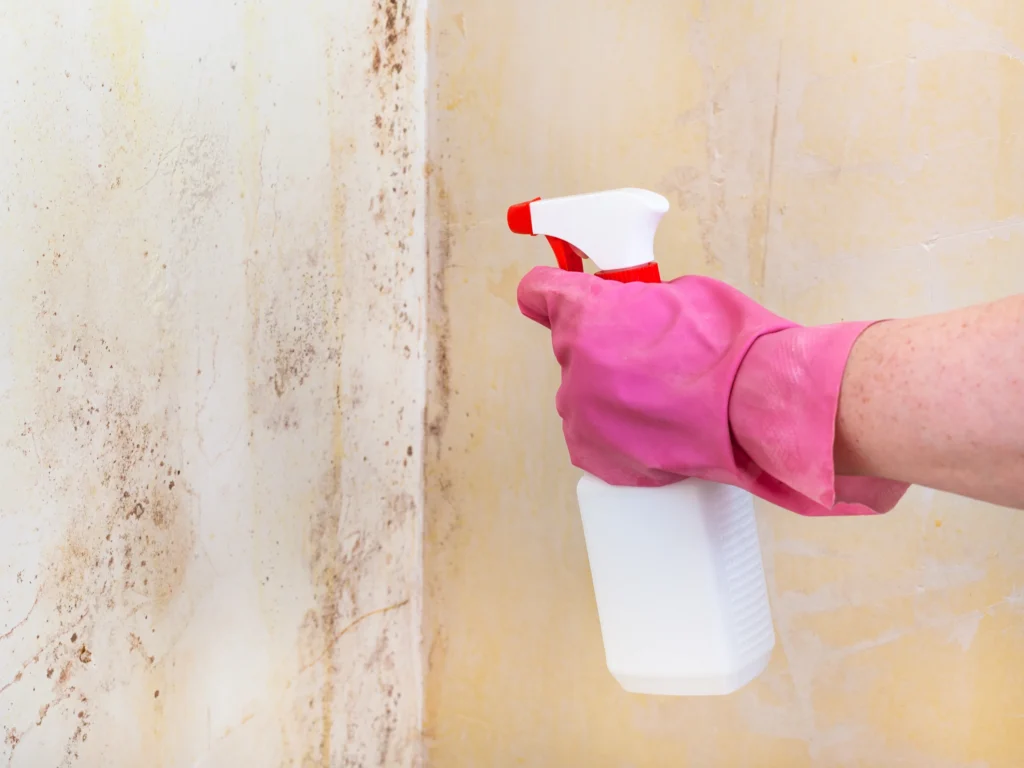
Step 4: Spray the Mold Area
Lightly spray the cleaning solution onto the moldy wall. Do not soak the wall too heavily because excess moisture can worsen the problem.
Step 5: Scrub Gently
Use a soft sponge or cloth to gently scrub the mold away. Avoid aggressive scrubbing that could damage the paint.
For textured walls, a soft brush may help clean small crevices.
Step 6: Wipe the Surface
Use a clean damp cloth to wipe away loosened mold and cleaning residue.
Step 7: Dry the Wall Completely
Drying is one of the most important steps.
Use:
- Towels
- Fans
- Open windows
- Dehumidifiers
Moisture left behind may allow mold to return.
Does Vinegar Kill Mold on Painted Walls?
Yes, white vinegar is one of the most popular natural mold cleaners.
Benefits include:
- Kills many mold types
- Safer than harsh chemicals
- Less toxic
- Easy to use
- Affordable
The vinegar smell usually disappears after drying.
Can Bleach Remove Mold From Painted Walls?
Bleach can kill surface mold on non-porous surfaces, but it may not fully penetrate porous walls or drywall.
Bleach may help:
- Remove stains
- Disinfect surfaces
- Kill visible mold
However, repeated bleach use may damage some paint finishes.
For deep mold inside drywall, professional treatment may sometimes be needed.
Will Mold Stain Painted Walls?
Yes, mold can leave dark stains even after cleaning.
In some cases:
- Stains remain visible
- Paint discoloration occurs
- Walls may need repainting
Using stain-blocking primer before repainting may help cover old mold marks.
When Should You Repaint the Wall?
Repainting may be needed if:
- Paint is peeling
- Stains remain
- Mold damaged the finish
- Odors continue
Always make sure the mold is completely removed and the wall is dry before repainting.
Best Paint for Preventing Mold
Certain paints help resist mold and mildew growth.
Mold Resistant Paint
Special formulas contain antimicrobial protection.
Bathroom Paint
Designed to handle humidity and moisture.
Satin or Semi-Gloss Finishes
These finishes resist moisture better than flat paint.
Using mold-resistant paint may help reduce future mold problems.
Rooms Most Prone to Mold Growth
Some rooms develop mold more easily because of moisture levels.
Bathrooms
Steam and humidity make bathrooms highly vulnerable.
Kitchens
Cooking moisture and poor ventilation contribute to mold growth.
Basements
Basements often trap moisture and humidity.
Laundry Rooms
Dryers and washing machines increase moisture in the air.
Bedrooms
Poor ventilation and condensation may cause hidden mold.
How to Prevent Mold From Returning
Cleaning mold is only part of the solution. Preventing future moisture problems is equally important.
Improve Ventilation
Good airflow helps keep walls dry.
Helpful steps include:
- Opening windows
- Using exhaust fans
- Running ceiling fans
- Improving air circulation
Control Humidity
Indoor humidity should ideally stay below 50%.
Dehumidifiers can help reduce moisture levels.
Fix Leaks Quickly
Roof leaks, pipe leaks, and window leaks should be repaired immediately.
Even small leaks can lead to mold growth over time.
Reduce Condensation
Condensation often forms on cold walls or windows.
Insulation and airflow improvements may help.
Clean Damp Areas Regularly
Regular cleaning helps stop mold before it spreads.
Avoid Drying Clothes Indoors
Indoor drying can increase humidity significantly.
How Fast Does Mold Grow?
Mold can begin growing surprisingly fast under the right conditions.
In some cases:
- Mold starts growing within 24 to 48 hours after moisture exposure
Quick action after leaks or water damage is important.
Can Mold Return After Cleaning?
Yes, mold may return if moisture problems are not solved.
Simply wiping mold away without addressing humidity or leaks often leads to recurring growth.
Long-term prevention requires controlling moisture sources.
When to Call a Professional
Some mold situations require expert help.
Professional mold removal may be needed if:
- Mold covers large areas
- Mold keeps returning
- Walls feel soft or damaged
- Strong odors remain
- Water damage is severe
- Mold is inside drywall or insulation
Large infestations can spread behind walls and ceilings.
Common Mistakes When Removing Mold
Painting Over Mold
Painting without removing mold first usually fails.
Using Too Much Water
Over-soaking walls can increase moisture problems.
Ignoring Ventilation
Poor airflow allows mold to return quickly.
Not Wearing Protection
Cleaning mold without gloves or masks may increase exposure.
Forgetting to Fix Leaks
Moisture problems must be solved permanently.
Natural Mold Cleaning Options
Some homeowners prefer natural cleaning methods.
Vinegar
One of the most effective natural options.
Baking Soda
Helps clean and reduce odors.
Tea Tree Oil
Has natural antifungal properties.
Hydrogen Peroxide
Works as a disinfectant and cleaner.
Natural solutions may work well for smaller mold areas.
Can Mold Damage Drywall?
Yes, prolonged mold growth can weaken drywall over time.
Severe moisture damage may cause:
- Crumbling drywall
- Soft spots
- Structural weakness
- Paint failure
In serious cases, damaged drywall may need replacement.
Mold and Indoor Air Quality
Even small mold patches can affect indoor air quality.
Mold spores may spread through:
- Air vents
- Fans
- Air conditioning systems
Maintaining dry indoor conditions helps improve overall air quality.
How Often Should Walls Be Checked?
Regular inspections can help catch mold early.
Check walls periodically for:
- Discoloration
- Dampness
- Musty smells
- Peeling paint
Bathrooms and basements should be checked more frequently.
FAQs About Mold Removal From Painted Walls
1. Can mold grow behind painted walls without being visible?
Yes, mold can grow behind painted walls if moisture becomes trapped inside the drywall or insulation. In many cases, homeowners may not notice the problem until they smell a musty odor, see bubbling paint, or discover soft spots on the wall surface.
2. Is it safe to sleep in a room with mold on the walls?
Small mold spots may not affect everyone the same way, but sleeping in a room with mold can irritate allergies, asthma, and breathing problems in sensitive individuals. If mold growth is significant or keeps spreading, it is best to clean it quickly or seek professional help.
3. Can repainting alone stop mold from coming back?
No, repainting over mold without removing it and fixing the moisture issue usually does not solve the problem. Mold can continue growing under the paint and may eventually cause peeling, stains, or recurring odors.
4. How do I know if the mold problem is too serious to clean myself?
If mold covers a large area, keeps returning after cleaning, spreads into ceilings or floors, or causes strong odors and wall damage, professional mold remediation may be necessary. Severe water damage often requires expert inspection.
5. Does opening windows help reduce mold on walls?
Yes, opening windows can improve ventilation and reduce indoor humidity, especially in bathrooms, kitchens, and laundry rooms. Better airflow helps walls dry faster and lowers the chances of mold growth.
6. Can mold on walls damage the paint permanently?
Yes, mold can stain painted surfaces and weaken the paint over time. Some walls may need repainting after cleaning because mold can leave discoloration, peeling, or bubbling behind.
7. Why does mold keep coming back after cleaning?
Mold often returns when the underlying moisture problem has not been fixed. Leaks, humidity, condensation, and poor ventilation can all allow mold to regrow even after the visible spots are removed.
8. Are mold-resistant paints worth using?
Mold-resistant paints can help reduce future mold growth in humid areas like bathrooms and basements. While they do not completely stop mold, they provide extra protection when combined with proper ventilation and moisture control.
9. Can a dehumidifier help prevent mold on painted walls?
Yes, dehumidifiers help remove excess moisture from the air, making it harder for mold to grow. They are especially useful in damp climates, basements, and rooms with poor airflow.
10. Should drywall be replaced if mold grows on it?
It depends on how deep the mold has spread. Surface mold can often be cleaned, but heavily damaged or soaked drywall may need replacement if the mold has penetrated deeply into the material.
Conclusion
Mold on painted walls is a common household problem, especially in damp or poorly ventilated areas. While small mold patches can often be cleaned safely using simple household products like vinegar or mild cleaners, the key to long-term success is removing the moisture source that caused the mold in the first place.
Quick action can prevent mold from spreading deeper into walls and causing more serious damage. Proper ventilation, humidity control, leak repairs, and regular cleaning all help keep painted walls dry and mold-free.
By understanding how mold develops and following safe cleaning methods, homeowners can protect both their walls and indoor air quality while preventing future mold growth.