
Key Takeaways
- Black mold thrives in damp environments: It grows in wet areas like bathrooms or basements and spreads through microscopic airborne spores.
- Exposure triggers allergy-like symptoms: Breathing in mold spores can cause coughing, persistent sneezing, skin irritation, and watery eyes.
- Vulnerable groups face higher risks: Infants, older adults, pregnant women, and individuals with asthma or weakened immune systems are more susceptible to severe health complications.
- Fixing the moisture source is essential: Simply cleaning visible mold is not a permanent fix; if you do not repair the underlying leak or water issue, the mold will return.
- Prevention is the best defense: You can effectively stop mold growth by keeping indoor humidity below 50%, repairing leaks promptly, and improving airflow in your home.
Black mold is a type of mold that can grow in damp and humid places inside homes and buildings. Many people worry about black mold because they have heard that it is dangerous. While black mold can cause health problems in some people, the effects are often different depending on a person’s age, health, and how much mold they are exposed to.
If you notice black mold in your home, it is important to deal with it quickly. Mold does not just damage walls and ceilings. It can also affect indoor air quality and may trigger a variety of health symptoms.
This guide explains what black mold does to you, who is most at risk, the symptoms to watch for, and what you can do if you find black mold in your home.
What Is Black Mold?
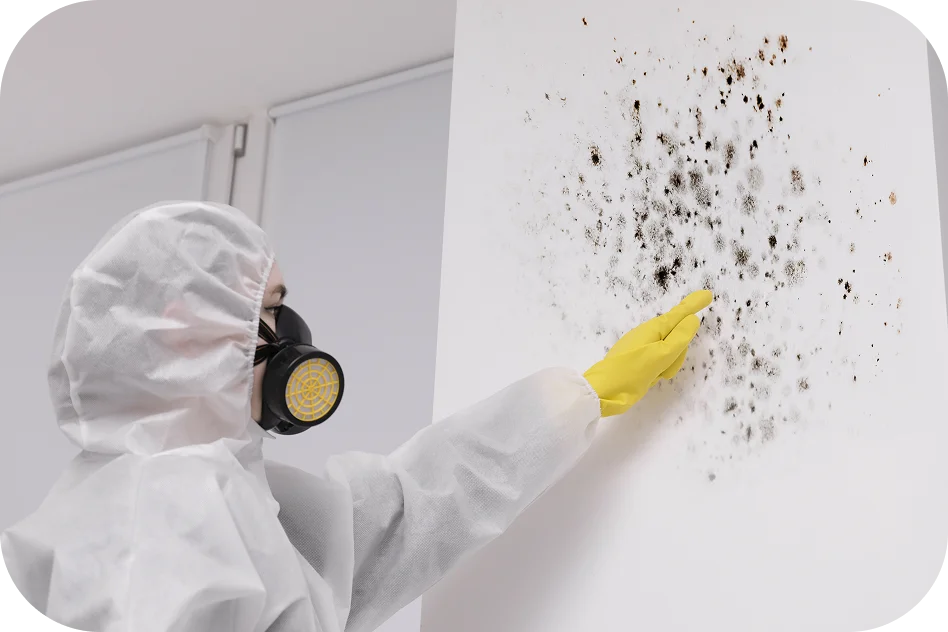
Black mold is a common name for a mold called Stachybotrys chartarum. It usually grows on materials that have stayed wet for a long time, such as drywall, wood, ceiling tiles, insulation, and carpet.
Like other molds, black mold spreads by releasing tiny spores into the air. These spores can be breathed in or land on the skin.
Black mold often grows in places such as:
- Bathrooms
- Basements
- Kitchens
- Around leaking pipes
- Under sinks
- Behind walls
- Near windows with condensation
- Areas damaged by floods or roof leaks
Not every dark colored mold is black mold, and only testing can identify the exact type.
What Does Black Mold Do to You?
Black mold mainly affects your respiratory system and can also irritate your eyes and skin. Some people have only mild symptoms, while others may experience stronger reactions.
The effects depend on:
- How much mold is present
- How long you are exposed
- Your overall health
- Whether you have allergies or asthma
Many symptoms improve after you are no longer exposed to the mold.
Common Symptoms of Black Mold Exposure
Sneezing
Frequent sneezing is one of the most common signs of mold exposure.
Runny or Stuffy Nose
You may notice congestion or a constantly runny nose that feels similar to seasonal allergies.
Coughing
Breathing in mold spores can irritate your airways and cause a dry or ongoing cough.
Sore Throat
Mold spores may irritate your throat, making it feel dry, scratchy, or painful.
Watery or Itchy Eyes
Many people develop red, itchy, or watery eyes after spending time in a moldy environment.
Skin Irritation
Some people experience itchy skin, redness, or a rash after touching mold or being exposed to mold spores.
Headaches
Headaches may occur in some people, especially if they spend long periods in a mold affected building.
Wheezing
People with asthma or other lung conditions may notice wheezing or difficulty breathing.
Fatigue
Some individuals report feeling tired or lacking energy after prolonged exposure to mold, although fatigue can have many possible causes.
Can Black Mold Make You Sick?
Yes. Black mold can make some people sick, especially if they are sensitive to mold or have existing health conditions.
For many healthy adults, symptoms are similar to allergy symptoms.
People with mold allergies may experience stronger reactions, including:
- Frequent coughing
- Persistent sneezing
- Nasal congestion
- Itchy eyes
- Skin irritation
The symptoms often become worse the longer a person remains in the moldy environment.
Can Black Mold Affect Your Lungs?
Yes.
Breathing mold spores may irritate your lungs and airways.
Some people may develop:
- Persistent coughing
- Chest tightness
- Wheezing
- Shortness of breath
People with asthma may have more frequent or more severe asthma attacks when exposed to mold.
People with chronic lung disease may also notice worsening symptoms.
Can Black Mold Cause Allergies?
Yes.
Mold is a common allergy trigger.
When someone with a mold allergy breathes in spores, their immune system reacts by producing allergy symptoms.
These symptoms can include:
- Sneezing
- Itchy nose
- Runny nose
- Watery eyes
- Coughing
Some people experience symptoms only when they are around mold, while others may remain sensitive for several hours after leaving the area.
Can Black Mold Cause Asthma Attacks?
Yes.
For people who already have asthma, black mold may trigger an asthma attack.
Signs of an asthma flare include:
- Wheezing
- Chest tightness
- Difficulty breathing
- Increased use of a rescue inhaler
If asthma symptoms become severe or breathing becomes difficult, seek medical care immediately.
Can Black Mold Cause Skin Problems?
Yes.
Touching mold or being exposed to mold spores can cause skin irritation in some people.
Symptoms may include:
- Redness
- Itching
- Dry skin
- Rash
These reactions are usually more common in people who already have allergies or sensitive skin.
Can Black Mold Affect Your Eyes?
Yes.
Eye irritation is another common symptom of mold exposure.
You may notice:
- Red eyes
- Itchy eyes
- Burning sensation
- Excessive tearing
These symptoms often improve after leaving the mold affected area.
Can Black Mold Cause Sinus Problems?
Yes.
Mold exposure may irritate the sinuses and lead to symptoms such as:
- Sinus pressure
- Congestion
- Facial discomfort
- Frequent sneezing
- Headaches
People with chronic sinus problems may notice their symptoms become worse.
Can Black Mold Cause Serious Health Problems?
Most healthy people experience mild allergy or irritation symptoms.
However, certain individuals have a higher risk of more serious health problems.
These include:
- Infants
- Older adults
- Pregnant women
- People with asthma
- People with chronic lung disease
- People with weakened immune systems
In these groups, mold exposure may lead to more severe breathing problems or infections.

Can Black Mold Affect Mental Health?
Some people report feeling stressed or anxious when living in a home with mold, especially if it affects their health or causes expensive property damage.
Research has also found that poor indoor air quality may affect overall well being. However, symptoms such as anxiety, memory problems, or depression can have many causes, and it is important not to assume black mold is the only reason.
If you have ongoing mental or physical symptoms, speak with your healthcare provider.
Who Is Most Sensitive to Black Mold?
Some people react more strongly than others.
Those most likely to develop symptoms include:
- People with mold allergies
- People with asthma
- Babies and young children
- Older adults
- People receiving chemotherapy
- Organ transplant recipients
- People with weakened immune systems
These individuals should avoid spending time in mold affected areas whenever possible.
How Long Does It Take to Feel Symptoms?
There is no exact timeline.
Some people notice symptoms within minutes or hours of exposure.
Others may develop symptoms after repeated exposure over several days or weeks.
The timing depends on:
- The amount of mold
- How sensitive you are
- Your overall health
- The length of exposure
How Do You Know if Black Mold Is Making You Sick?
It can be difficult to tell because mold symptoms are similar to allergies, colds, and sinus infections.
You may suspect mold if:
- Symptoms improve when you leave the building.
- Symptoms return when you come back.
- You see visible mold.
- Your home has a musty smell.
- There has been water damage or flooding.
A healthcare provider can evaluate your symptoms and determine whether mold exposure may be contributing.
What Should You Do If You Find Black Mold?
If you find black mold in your home:
- Fix the source of moisture.
- Dry wet areas as quickly as possible.
- Clean small areas safely if appropriate.
- Wear gloves and a mask during cleanup.
- Avoid disturbing large mold growth.
- Consider hiring a professional for extensive mold problems.
Removing the mold without fixing the moisture problem often means the mold will return.
How Can You Prevent Black Mold?
Preventing moisture is the best way to stop mold from growing.
Helpful tips include:
- Repair leaks quickly.
- Use bathroom exhaust fans.
- Keep indoor humidity below 50 percent.
- Dry water damaged materials promptly.
- Improve airflow in damp areas.
- Clean and maintain gutters.
- Use a dehumidifier in humid spaces.
Regular home maintenance can greatly reduce the chance of mold growth.
When Should You See a Doctor?
You should contact a healthcare provider if you have:
- Ongoing coughing
- Wheezing
- Difficulty breathing
- Severe allergy symptoms
- Symptoms that continue after leaving the moldy environment
- Asthma that becomes harder to control
Seek emergency medical care if you experience severe breathing problems or signs of a serious allergic reaction.

Frequently Asked Questions
Can black mold grow even if my home looks clean?
Yes. Black mold can grow in hidden places such as behind walls, under flooring, inside ceilings, or behind cabinets if moisture is present.
Does black mold always have a strong smell?
No. While black mold often produces a musty odor, some mold growth may have little or no noticeable smell, especially in the early stages.
Can air conditioning spread black mold?
If mold is growing inside an HVAC system or air ducts, spores can be circulated throughout the home when the system is running.
Can black mold grow after a small water leak?
Yes. Even a minor leak can lead to mold growth if the affected area stays damp for more than 24 to 48 hours.
Can pets be affected by black mold?
Yes. Dogs, cats, and other pets can experience symptoms such as coughing, sneezing, watery eyes, skin irritation, or breathing problems when exposed to mold.
Is it safe to paint over black mold?
No. Painting over mold does not remove it or stop it from growing. The mold and the source of moisture should be addressed first.
Can black mold return after it has been cleaned?
Yes. If the moisture problem is not fixed, black mold can grow back even after cleaning.
Should I test my home for black mold if I cannot see it?
If you notice a persistent musty smell, have experienced water damage, or have unexplained allergy symptoms, a professional mold inspection or testing may help determine whether mold is present.
Can opening windows help reduce black mold?
Opening windows may improve ventilation in some situations, but it will not remove existing mold. Moisture problems and mold growth must still be properly addressed.
Can black mold damage my home as well as my health?
Yes. Over time, black mold can damage drywall, wood, insulation, carpets, and other building materials, leading to costly repairs if left untreated.
Conclusion
Black mold can affect both your home and your health if it is not addressed promptly. While many people experience mild symptoms such as sneezing, coughing, nasal congestion, itchy eyes, or skin irritation, others, especially those with asthma, allergies, or weakened immune systems, may have more severe reactions. The longer mold is allowed to grow, the greater the chance it will spread and continue affecting indoor air quality.
The good news is that black mold problems can often be prevented by controlling moisture, repairing leaks quickly, improving ventilation, and cleaning up water damage as soon as possible. If you notice visible mold, a persistent musty smell, or ongoing symptoms that seem to improve when you leave your home, it is important to identify and fix the source of the problem. Taking action early not only helps protect your health but can also prevent expensive damage to your property. If your symptoms are severe or continue even after the mold has been removed, consult a healthcare provider for proper evaluation and treatment.
Disclaimer: This article is for informational purposes only and should not be considered medical advice. If you have symptoms related to mold exposure or concerns about your health, consult a qualified healthcare provider.