
Key Takeaways
- Moisture is the Main Culprit: Shower mold thrives in warm, damp environments. Controlling moisture by running exhaust fans, wiping down wet surfaces, and fixing leaks is essential to prevent mold from growing and returning.
- Natural Cleaners are Highly Effective: You can effectively safely clean most shower mold using everyday household items like white vinegar, baking soda, and hydrogen peroxide, rather than relying strictly on harsh chemicals.
- Different Surfaces Require Specific Approaches: Grout and caulk are porous and can trap mold deeply. While natural cleaners work well for surface mold on tiles and glass, deeply penetrated mold in caulk might require you to remove and replace the caulk entirely.
- Never Paint Over Mold: Simply painting over a moldy area will not solve the issue. The mold will continue to grow underneath the paint, so it must be completely removed and the moisture problem fixed beforehand.
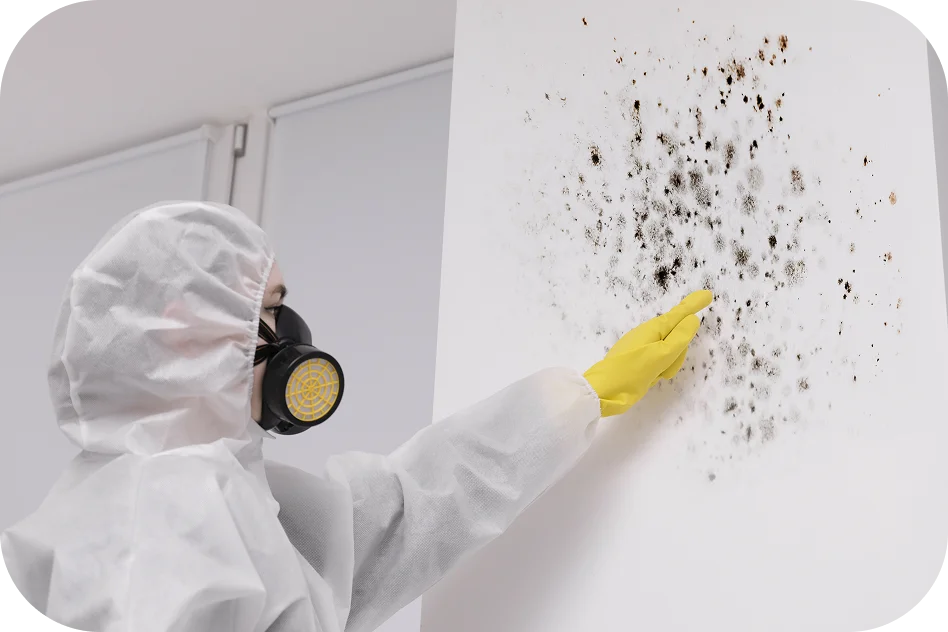
- Know When to Call a Professional: While DIY cleaning works for minor spots, you should seek professional help if the mold covers a large area, causes allergic symptoms, keeps returning despite regular cleaning, or if you suspect hidden mold behind the walls.
Shower mold is one of the most common problems in bathrooms. Since showers are warm and humid, they create the perfect environment for mold to grow. If left untreated, mold can spread quickly, cause unpleasant odors, stain surfaces, and even affect indoor air quality.
The good news is that you can often remove shower mold with simple cleaning methods and a little patience. Regular cleaning and reducing moisture can also help prevent it from coming back.
This guide explains how to clean shower mold safely, what cleaning products work best, and how to keep your shower mold free in the future.
What Is Shower Mold?
Shower mold is a type of fungus that grows in damp, warm places. Bathrooms provide ideal conditions because water is used frequently and humidity levels stay high.
Mold often appears as:
- Black spots
- Green patches
- Brown stains
- White fuzzy growth
- Pink or orange buildup, which is often bacteria rather than mold
It can grow on many surfaces, including:
- Tile
- Grout
- Shower walls
- Bathtubs
- Shower curtains
- Caulk
- Glass doors
- Ceiling corners
Why Does Mold Grow in Showers?
Mold needs three things to grow:
- Moisture
- Warm temperatures
- Organic material to feed on, such as soap residue, dust, or body oils
Bathrooms stay wet for long periods after showers, making them one of the most common places for mold growth.
Poor ventilation makes the problem even worse.
Is Shower Mold Dangerous?
Not all mold is harmful, but any mold growth should be removed as soon as possible.
Some people may experience:
- Sneezing
- Coughing
- Runny nose
- Itchy eyes
- Skin irritation
- Worsening asthma symptoms
People with allergies, asthma, weakened immune systems, older adults, and young children may be more sensitive to mold exposure.
Signs You Have Shower Mold
Look for these common signs:
- Black or dark spots on grout
- Mold growing around the edges of the shower
- Musty smell
- Discolored caulk
- Mold on shower curtains
- Stains that return after cleaning
Supplies You May Need To Clean Shower Mold
Before you start cleaning, gather your supplies.
Common items include:
- Rubber gloves
- Protective eyewear
- Face mask if mold is widespread
- Spray bottle
- Soft brush
- Old toothbrush
- Sponge
- Microfiber cloth
- Bucket
- Warm water
Cleaning products may include:
- White vinegar
- Baking soda
- Hydrogen peroxide
- Mold remover
- Mild dish soap
Safety Tips Before Cleaning Shower Mold
Take a few precautions before cleaning mold.
- Open a window if possible.
- Turn on the bathroom exhaust fan.
- Wear gloves.
- Avoid breathing in mold spores.
- Never mix bleach with ammonia or other household cleaners.
- Keep children and pets away while cleaning.
How to Clean Shower Mold With White Vinegar
White vinegar is one of the most popular natural cleaners for mold.
Step 1
Pour undiluted white vinegar into a spray bottle.
Step 2
Spray the moldy area until it is completely wet.
Step 3
Allow it to sit for about one hour.
Step 4
Scrub the area using a soft brush or toothbrush.
Step 5
Rinse with warm water.
Step 6
Dry the area with a clean towel.
Vinegar can kill many types of household mold and help remove odors.
How to Clean Shower Mold With Baking Soda
Baking soda helps remove stains and deodorizes surfaces.
Step 1
Mix baking soda with a small amount of water to make a paste.
Step 2
Apply the paste directly to the mold.
Step 3
Let it sit for 15 to 20 minutes.
Step 4
Scrub gently.
Step 5
Rinse thoroughly.
Step 6
Dry the area completely.
Using Vinegar and Baking Soda Together
These two products can work well as part of the same cleaning process.
First clean with vinegar.
After rinsing and drying, use baking soda to scrub away remaining stains.
This combination can help improve cleaning results without using harsh chemicals.
How to Clean Shower Mold With Hydrogen Peroxide
Hydrogen peroxide is another effective mold cleaner.
Step 1
Use a 3 percent hydrogen peroxide solution.
Step 2
Spray directly onto the mold.
Step 3
Allow it to sit for about 10 to 15 minutes.
Step 4
Scrub gently.
Step 5
Rinse with water.
Hydrogen peroxide can also help brighten stained grout.
How to Remove Mold From Shower Grout
Grout is porous, making it easier for mold to grow.
To clean grout:
- Spray with vinegar or hydrogen peroxide.
- Allow it to sit.
- Use an old toothbrush.
- Scrub each grout line.
- Rinse thoroughly.
- Dry the surface.
If stains remain, repeat the process rather than scrubbing too aggressively.

How to Remove Mold From Shower Caulk
Caulk often traps moisture, making it a common place for mold.
For light mold:
- Spray with vinegar.
- Let it sit.
- Scrub gently.
- Rinse and dry.
If mold has deeply penetrated the caulk, cleaning may not be enough.
Old moldy caulk may need to be removed and replaced.
Cleaning Mold From Shower Curtains
Plastic Curtains
Remove the curtain.
Wash it using warm water and mild detergent.
You can also soak it in vinegar and water before washing.
Allow it to dry completely before rehanging.
Fabric Curtains
Check the care label.
Most fabric shower curtains can be machine washed with regular detergent.
Add a few towels to help scrub the curtain during the wash cycle.
Hang it immediately after washing so it dries fully.
Cleaning Mold From Shower Doors
Glass shower doors can develop mold around the edges and tracks.
Spray vinegar onto affected areas.
Allow it to sit.
Use a toothbrush to clean corners and tracks.
Rinse and wipe dry.
Cleaning Mold From Shower Tile
Tile is usually easier to clean than grout.
Use:
- Vinegar
- Mild soap
- Hydrogen peroxide
- Commercial mold remover if needed
Scrub gently using a soft brush or sponge.
Avoid using abrasive tools that may scratch the surface.
When Should You Use Commercial Mold Cleaners?
Commercial mold removers may be useful when:
- Mold covers large areas.
- Natural cleaners are not working.
- Heavy staining remains.
- Mold keeps returning.
Always follow the product instructions carefully.
Wear gloves and ensure the room is well ventilated.
Should You Use Bleach?
Bleach can remove surface stains on nonporous materials.
However, it may not fully remove mold growing deep inside porous materials such as grout or caulk.
If you choose to use bleach:
- Follow the manufacturer’s instructions.
- Never mix it with other cleaners.
- Ventilate the room well.
- Wear protective equipment.
What If Mold Keeps Coming Back?
Recurring mold usually means moisture is still present.
Possible causes include:
- Poor ventilation
- Water leaks
- Damp grout
- Worn caulk
- Standing water after showers
Simply cleaning the mold will not solve the problem if moisture remains.
How to Prevent Shower Mold
Preventing mold is much easier than removing it repeatedly.
Use the Exhaust Fan
Run your bathroom fan during showers and for at least 20 to 30 minutes afterward.
Open a Window
If your bathroom has a window, open it after showering to improve airflow.
Wipe Down Wet Surfaces
Use a towel or squeegee to remove water from walls and glass doors.
Keep the Shower Dry
Dry surfaces reduce the moisture mold needs to grow.
Wash Shower Curtains Regularly
Clean shower curtains every month or whenever stains appear.
Clean Weekly
Regular cleaning prevents mold from becoming established.
Repair Leaks Quickly
Fix dripping faucets, leaking showerheads, and plumbing problems as soon as possible.
Replace Damaged Caulk
Old cracked caulk traps moisture and allows mold to spread.
Can You Paint Over Mold?
No.
Painting over mold only hides the problem.
The mold will usually continue growing underneath the paint.
Always remove the mold first and fix the moisture issue before painting.
When to Call a Professional
Small areas of mold can often be cleaned at home.
However, professional help may be needed if:
- Mold covers a large area.
- Mold keeps returning despite cleaning.
- Water damage is severe.
- You suspect mold behind walls.
- Family members develop ongoing health symptoms.
- The bathroom has a strong musty odor that does not go away.
Professionals can identify hidden moisture sources and safely remove extensive mold growth.
Common Mistakes to Avoid
Avoid these common cleaning mistakes:
- Ignoring mold for too long
- Not wearing gloves
- Mixing household cleaners
- Forgetting to dry the shower afterward
- Using dirty sponges
- Painting over mold
- Not fixing leaks
- Skipping regular cleaning
Simple Weekly Shower Cleaning Routine
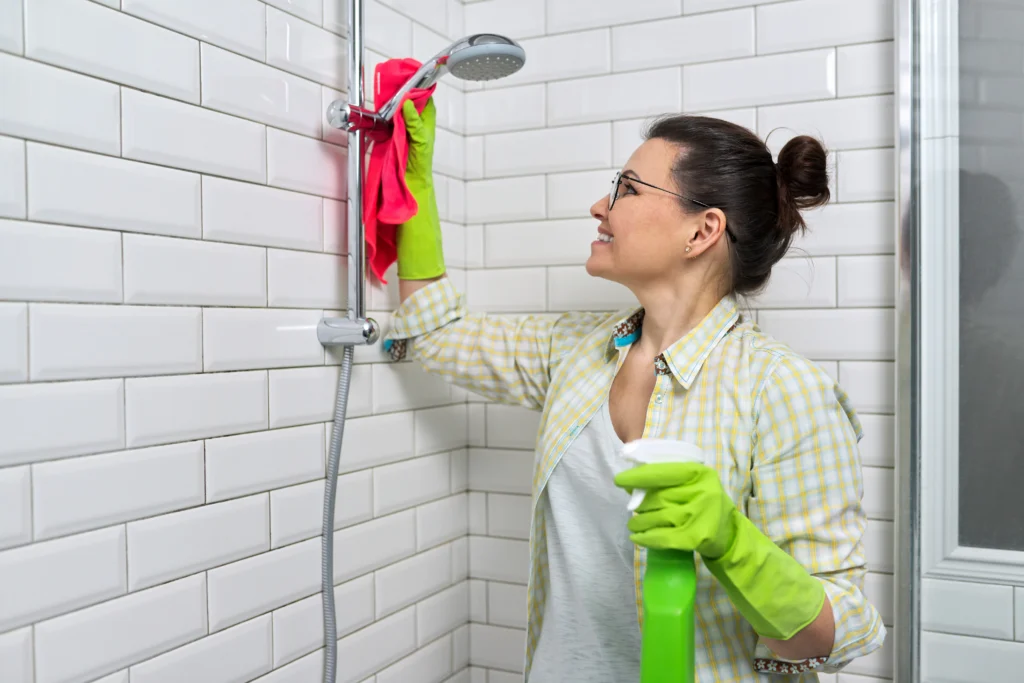
A simple routine helps keep mold away.
Every week:
- Spray shower walls with vinegar or a mild cleaner.
- Scrub grout lightly.
- Rinse surfaces.
- Dry glass doors.
- Wash shower mats.
- Check caulk for new mold.
This routine takes only a few minutes and can greatly reduce mold growth.
FAQs About Shower Mold Cleaning
How often should I clean shower mold?
Inspect your shower weekly and clean any mold as soon as you notice it. A full bathroom cleaning once a week helps prevent mold buildup.
Can vinegar remove all types of mold?
Vinegar can kill many common household molds, but it may not remove every type or eliminate mold that has spread deep into porous materials.
Why does mold keep coming back after I clean it?
Mold often returns because excess moisture, poor ventilation, leaks, or damp surfaces have not been addressed.
Is black mold in the shower always toxic?
Not every black colored mold is the highly toxic type people often hear about. However, any mold should be cleaned promptly to reduce health risks and prevent it from spreading.
Can I use bleach on shower grout?
Bleach may remove surface stains, but it may not completely eliminate mold growing inside porous grout. Other cleaners or grout replacement may be needed for severe cases.
Should I replace moldy caulk?
If mold has deeply penetrated the caulk and cannot be cleaned, replacing the caulk is usually the best solution.
Does a bathroom fan help prevent mold?
Yes. Running an exhaust fan during and after showers helps reduce humidity and allows surfaces to dry faster.
How long does it take for mold to grow in a shower?
Under the right conditions, mold can begin growing within 24 to 48 hours after moisture is present.
Can mold grow behind shower walls?
Yes. Hidden leaks or water damage can allow mold to grow behind tiles or walls, where it may not be visible.
When should I hire a mold removal professional?
Consider professional help if mold covers a large area, keeps returning, has spread into hidden spaces, or if you suspect water damage inside walls.
Conclusion
Cleaning shower mold is an important part of maintaining a healthy and clean bathroom. Small areas of mold can often be removed using household products like white vinegar, baking soda, or hydrogen peroxide, along with regular scrubbing and proper drying. The key is not only removing visible mold but also reducing the moisture that allows it to grow.
By improving ventilation, fixing leaks, wiping down wet surfaces, and following a simple weekly cleaning routine, you can greatly reduce the chances of mold returning. If mold continues to spread, covers a large area, or keeps coming back despite repeated cleaning, it is best to contact a professional mold inspection and remediation company to identify and fix the underlying problem.