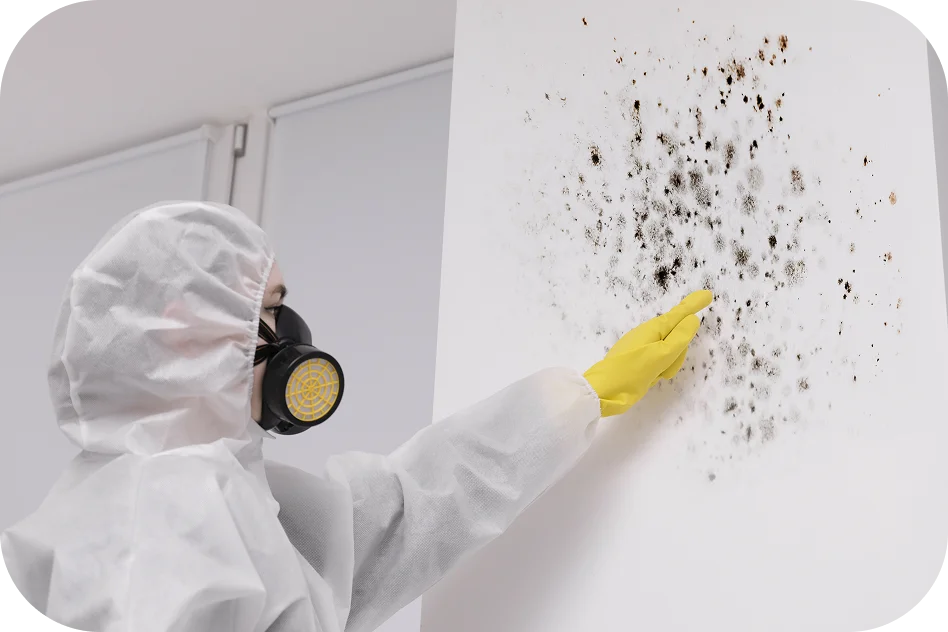

Mold is a common household problem, often growing in damp areas like bathrooms, basements, and kitchens. While mold can be unsightly and potentially harmful to your health, many people look for natural, affordable ways to remove it. One such remedy that frequently comes up is white vinegar. But the question remains: does white vinegar kill mold? In this blog, we’ll explore whether white vinegar is an effective mold killer and how to use it properly.
What Is White Vinegar?
White vinegar, also known as distilled vinegar, is a clear, colorless liquid made by fermenting grain alcohol. It has a mild acidity (typically around 5-8% acetic acid) that gives it a strong, sour taste. While it’s commonly used in cooking and cleaning, white vinegar is also a well-known natural remedy for many household issues, including mold removal.
How Does White Vinegar Work Against Mold?
White vinegar’s effectiveness against mold is due to its acetic acid content. Acetic acid has antifungal properties, which means it can break down mold spores, preventing them from growing and spreading. When you apply white vinegar to moldy surfaces, it works to disrupt the cell structure of the mold, killing it in the process.
While white vinegar is not as strong as some commercial mold removers, it is still a natural and non-toxic solution that can be effective in many cases, particularly when dealing with minor mold infestations.
Does White Vinegar Kill Mold?
The short answer is yes, white vinegar does kill mold. Research and anecdotal evidence show that it can be effective in killing most common types of mold, including Aspergillus and Penicillium. It’s particularly useful in areas with light to moderate mold growth.
However, white vinegar may not be effective against all types of mold. Some more aggressive species, such as Stachybotrys (black mold), may require more intensive treatment or professional mold removal services.

How to Use White Vinegar to Kill Mold
If you’re dealing with a mold problem in your home, here’s how to use white vinegar to tackle it:
- Pour White Vinegar into a Spray Bottle: You don’t need to dilute the vinegar, as pure white vinegar is most effective against mold.
- Spray the Moldy Surface: Generously spray the moldy area, ensuring it’s well covered.
- Let It Sit: Allow the vinegar to sit on the mold for at least an hour. The longer it sits, the better it will work to break down the mold.
- Scrub the Area: After letting the vinegar sit, use a scrub brush to remove the mold from the surface. Be sure to use a brush with stiff bristles for the best results.
- Wipe and Dry: Once the mold is removed, wipe the area with a clean cloth and allow it to dry completely to prevent mold from returning.
Is White Vinegar Effective for All Types of Mold?
While white vinegar can be effective for many types of mold, it may not completely eliminate more severe infestations. It works well for smaller, more localized mold growth. However, if you have a widespread mold problem or are dealing with black mold, white vinegar might not be enough.
In these cases, it’s essential to take additional steps, such as improving ventilation, fixing any leaks or moisture issues, and considering professional mold remediation services. Professional mold removal experts can assess the situation and eliminate the mold safely and completely.
Benefits of Using White Vinegar for Mold Removal
- Non-Toxic and Safe: White vinegar is an eco-friendly, non-toxic alternative to harsh chemical cleaners, making it safe for your family and pets.
- Affordable and Accessible: White vinegar is inexpensive and easy to find at most grocery stores, making it a budget-friendly solution.
- Multi-Purpose: Aside from killing mold, white vinegar also works as a powerful disinfectant, deodorizer, and cleaner for other household tasks.

Limitations of White Vinegar for Mold Removal
- Not a Strong Solution for Large Infestations: While white vinegar is effective for small to moderate mold problems, it may not be sufficient for large mold outbreaks or highly toxic molds.
- Lingering Smell: White vinegar has a strong odor that can linger for a while, though it dissipates once the vinegar dries.
- Time-Consuming: The process of applying and scrubbing can take time, especially in larger affected areas.
When to Use White Vinegar for Mold
White vinegar is best used for:
- Small to Moderate Mold Growth: It’s effective on minor mold patches found on walls, ceilings, and bathroom surfaces.
- Prevention: Regular cleaning with white vinegar can help prevent mold from forming in areas prone to moisture, such as bathrooms and kitchens.
- Mold Control in Smaller Spaces: Vinegar can be a great option for controlling mold in smaller spaces, like laundry rooms or pantries, where mold growth is less severe.
However, if the mold problem is extensive or if you’re dealing with black mold, it’s important to consult a professional mold remediation service for thorough removal.
Conclusion
In conclusion, white vinegar does kill mold, and it’s a natural, affordable, and safe option for dealing with minor mold problems around the house. Its antifungal properties make it an effective solution for breaking down mold spores and preventing them from spreading. While it works well for many types of mold, more severe infestations or toxic molds may require professional attention.
To use white vinegar for mold removal, spray the affected area, let it sit, scrub, and dry the surface. It’s a simple and eco-friendly way to address mold issues, but always remember to address the root causes of mold growth, such as excess moisture, to prevent it from coming back.
Key Takeaways –
- White vinegar contains acetic acid, which helps kill mold by disrupting mold spores.
- It is effective for small to moderate mold infestations but may not work on large-scale problems or black mold.
- White vinegar is non-toxic, affordable, and safe for use in households with children and pets.
- Always ensure the area is dried thoroughly to prevent future mold growth.
By using white vinegar as part of your mold removal strategy, you can take a natural approach to keeping your home mold-free and healthy.

FAQs: Does White Vinegar Kill Mold?
Does white vinegar actually kill mold?
Yes, white vinegar does kill mold. Its acetic acid content has antifungal properties that disrupt mold cell structures, effectively killing most common types of mold, especially in light to moderate infestations.
What is the active ingredient in white vinegar that fights mold?
The active ingredient in white vinegar that makes it effective against mold is acetic acid, typically present at a concentration of 5-8%.
How quickly does white vinegar work on mold?
After spraying, you should let the vinegar sit on the moldy surface for at least an hour to allow the acetic acid to break down the mold effectively before scrubbing.
Do I need to dilute white vinegar before using it for mold removal?
No, for best results, you do not need to dilute the white vinegar. Pure white vinegar is most effective against mold.
Is white vinegar effective against all types of mold, including black mold?
While white vinegar is effective against many common types of mold (like Aspergillus and Penicillium), it may not completely eliminate more aggressive species like Stachybotrys (black mold) or very severe infestations.
What are the benefits of using white vinegar for mold removal?
The benefits include being non-toxic, safe for families and pets, affordable, easily accessible, and it also acts as a disinfectant and deodorizer.
What are the limitations of using white vinegar to remove mold?
Limitations include its potential ineffectiveness for large infestations or highly toxic molds, a lingering smell (which dissipates), and the process can be time-consuming.
When is white vinegar best used for mold removal?
White vinegar is best for small to moderate mold growth, for preventing mold, and for controlling mold in smaller spaces like laundry rooms or pantries.
After removing mold with vinegar, what’s a crucial step to prevent its return?
After removing the mold, it’s crucial to wipe and dry the area completely to prevent moisture from allowing the mold to return. Addressing the root cause of moisture is also key.
When should I consider professional mold remediation instead of using white vinegar?
If you have a widespread mold problem, are dealing with black mold, or suspect a severe infestation, it’s essential to consult professional mold remediation services for safe and complete removal.