
Key Takeaways
- Mold Can Directly Impact Your Health: Breathing in mold spores can cause a variety of health issues, including allergic reactions, asthma attacks, respiratory problems, and irritation of the skin and eyes.
- Certain Groups Are at Higher Risk: While anyone can be affected, children, older adults, people with pre-existing allergies or asthma, and individuals with weakened immune systems are especially vulnerable to mold exposure.
- Moisture is the Root Cause: Mold thrives in damp environments and can begin growing within 24 to 48 hours of water exposure from leaks, flooding, or high indoor humidity.
- Prevention Relies on Moisture Control: The most effective way to stop mold growth is to fix leaks quickly, keep indoor humidity below 50 percent, use exhaust fans, and dry wet areas immediately.
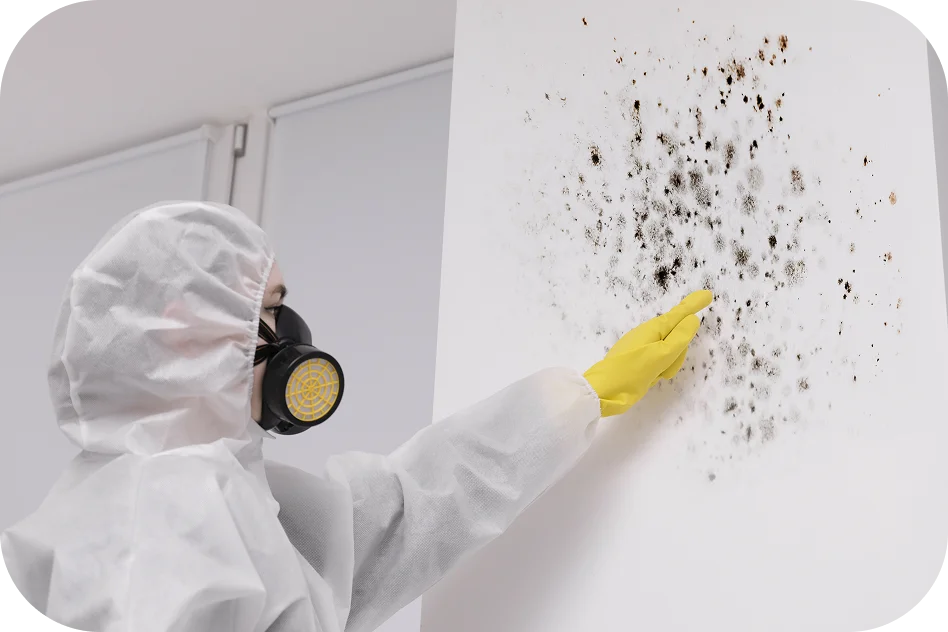
- Professional Testing is Crucial for Hidden Mold: Cleaning visible mold isn't always enough, as it can hide behind walls or under floors. Professional mold inspections can identify the true extent of the contamination and hidden moisture sources.
Mold is a common problem in many homes, schools, and workplaces. It often grows in places that stay damp, such as bathrooms, basements, kitchens, and around leaking pipes or roofs. While many people think mold is only an ugly stain on the wall, it can also affect your health.
So, can mold make you sick? The simple answer is yes. Mold can cause health problems, especially if you breathe in mold spores for a long time. Some people may only have mild symptoms, while others may develop more serious health issues. The effects depend on the type of mold, the amount of mold present, and your overall health.
In this guide, you will learn how mold affects your body, the symptoms to watch for, who is most at risk, and what you can do to protect yourself.
What Is Mold?
Mold is a type of fungus that grows both indoors and outdoors. It reproduces by releasing tiny spores into the air. These spores are too small to see with the naked eye, and they can easily spread throughout a building.
Mold grows best in places where there is moisture. Common causes of indoor mold include:
- Water leaks
- Flooding
- High humidity
- Poor ventilation
- Condensation on windows and walls
- Plumbing problems
If moisture is not removed, mold can begin growing within 24 to 48 hours.
Can Mold Make You Sick?
Yes, mold can make you sick. When mold spores become airborne, they can enter your body through your nose, mouth, or eyes. Breathing in these spores may cause allergic reactions, breathing problems, and irritation.
Not everyone reacts the same way. Some people may never notice any symptoms, while others may become sick after only a short exposure. People with allergies, asthma, or weakened immune systems are more likely to experience health problems.
The longer you are exposed to mold, the greater the chance that symptoms may develop or become worse.
How Mold Affects Your Health
Mold affects people in different ways. The most common problems involve the respiratory system because mold spores are easily inhaled.
For many people, mold exposure causes irritation in the nose, throat, and lungs. Others may experience allergic reactions that become worse over time.
In some cases, mold exposure can make existing health conditions, such as asthma, much harder to control.
Common Symptoms of Mold Exposure
The symptoms of mold exposure often look similar to seasonal allergies or a common cold. They may include:
- Sneezing
- Runny or stuffy nose
- Coughing
- Sore throat
- Watery or itchy eyes
- Skin rash
- Headaches
- Fatigue
- Wheezing
- Shortness of breath
Some people notice that their symptoms improve when they leave the building and return when they come back. This may be a sign that mold inside the building is affecting their health.
Can Mold Cause Allergies?
Yes. Mold is a common allergy trigger.
When someone with a mold allergy breathes in mold spores, the immune system reacts by treating them as harmful. This response causes allergy symptoms such as sneezing, itchy eyes, congestion, and coughing.
If mold remains in the home, allergy symptoms may continue throughout the year instead of only during allergy season.
Can Mold Trigger Asthma?
People with asthma are especially sensitive to mold.
Breathing mold spores may trigger asthma attacks or make asthma symptoms more severe. A person with asthma may experience:
- Chest tightness
- Wheezing
- Trouble breathing
- Frequent coughing
- Increased use of an inhaler
Children with asthma may be particularly affected because their lungs are still developing.
Can Mold Cause Lung Problems?
Long-term exposure to mold may irritate the lungs and airways.
Most healthy people recover once the mold is removed, but people with chronic lung disease may develop more serious complications.
In rare cases, certain molds can lead to lung infections in people with severely weakened immune systems, such as those receiving cancer treatment or organ transplant patients.
Can Mold Cause Skin Problems?
Yes. Mold exposure can sometimes irritate the skin.
People who are sensitive to mold may develop:
- Itchy skin
- Red patches
- Dry skin
- Small bumps
- Rash
Direct contact with mold or contaminated materials can increase the chance of skin irritation.
Can Mold Cause Eye Irritation?
Mold spores can also affect your eyes.
Common symptoms include:
- Redness
- Itching
- Burning
- Watery eyes
- Swelling around the eyes
These symptoms often improve after leaving the area with mold.
Can Mold Make You Feel Tired?
Some people report feeling unusually tired when exposed to mold.
Fatigue may occur because your body is constantly reacting to allergens. Poor indoor air quality may also affect your sleep if mold causes coughing or congestion during the night.
Although tiredness alone does not confirm mold exposure, it can occur along with other symptoms.
Who Is Most at Risk?
While anyone can be affected by mold, some people have a higher risk of becoming sick.
These include:
Children
Children breathe more air compared to their body size than adults. Their immune systems and lungs are still developing, making them more sensitive to mold exposure.
Older Adults
Older adults may have weaker immune systems or chronic health conditions that increase their sensitivity to mold.
People With Allergies
People who already have allergies are more likely to react to mold spores.
People With Asthma
Even a small amount of mold can trigger asthma symptoms in sensitive individuals.
People With Weakened Immune Systems
Individuals receiving chemotherapy, taking immune-suppressing medications, or living with certain medical conditions may develop more serious infections from mold.
Where Does Mold Usually Grow?
Mold can grow almost anywhere moisture is present.
Common places include:
- Bathrooms
- Kitchens
- Basements
- Laundry rooms
- Attics
- Crawl spaces
- Around leaking windows
- Under sinks
- Behind drywall
- Around air conditioning systems
- Carpets after flooding
Sometimes mold grows behind walls or under flooring where it cannot be easily seen.
Signs You May Have Mold in Your Home
You may not always see mold, but there are signs that suggest it could be present.
Look for:
- A musty smell
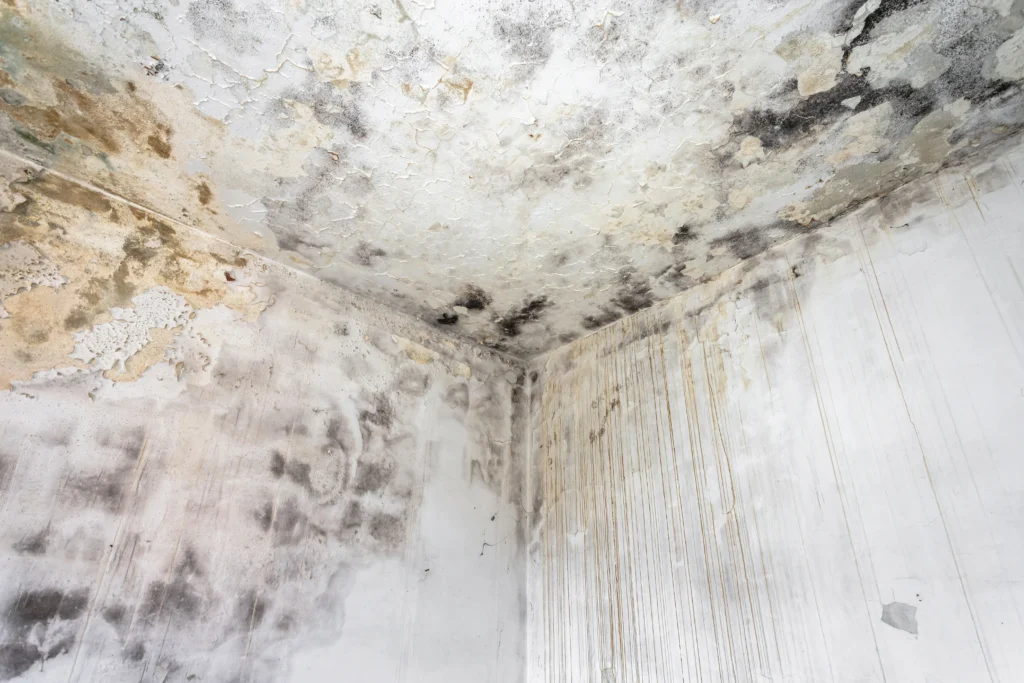
- Dark spots on walls or ceilings
- Water stains
- Peeling paint
- Damp carpets
- Condensation on windows
- Previous water damage
If your allergy symptoms seem worse at home than elsewhere, mold could be one possible cause.
How Do You Know if Mold Is Making You Sick?
It can be difficult to know for certain because mold symptoms are similar to allergies, colds, and other respiratory illnesses.
You may suspect mold if:
- Symptoms improve when you leave the building.
- Symptoms return when you come back.
- You notice visible mold or a musty smell.
- You recently experienced water damage or flooding.
A healthcare provider can help determine whether your symptoms may be related to allergies or another medical condition.
What Should You Do if You Find Mold?
If you discover mold in your home, it is important to address the source of moisture first.
Small mold problems may sometimes be cleaned using appropriate cleaning products while wearing gloves and a mask.
However, larger mold problems or mold caused by flooding should often be handled by professionals. Simply cleaning visible mold without fixing the moisture problem usually allows it to return.
Professional mold inspections can also identify hidden mold that may not be visible behind walls or under flooring.
How to Prevent Mold Growth
Preventing mold is often easier than removing it.
Here are some simple ways to reduce mold growth:
- Fix leaks quickly.
- Keep indoor humidity below 50 percent.
- Use exhaust fans in bathrooms and kitchens.
- Dry wet areas immediately.
- Clean gutters regularly.
- Improve airflow throughout your home.
- Use a dehumidifier in damp spaces.
- Repair roof leaks as soon as possible.
- Dry carpets completely after spills or flooding.
Regular home maintenance can help reduce the chance of mold becoming a serious problem.
When Should You Seek Medical Care?
You should consider seeing a healthcare provider if:
- Your symptoms continue for several weeks.
- You have trouble breathing.
- Your asthma becomes worse.
- You develop severe coughing.
- You experience chest pain.
- Your symptoms interfere with daily life.
People with weakened immune systems should seek medical advice promptly if they believe they have been exposed to significant mold.

Why Professional Mold Testing Can Help
Sometimes mold is easy to see, but hidden mold can continue growing inside walls, ceilings, or crawl spaces without obvious signs.
Professional mold testing helps identify:
- Hidden mold growth
- Areas with high moisture
- Indoor air quality concerns
- The extent of mold contamination
A professional inspection provides valuable information so homeowners can address the problem properly instead of treating only the visible signs.
Frequently Asked Questions
How long does it take to get sick from mold exposure?
The time varies from person to person. Some people may notice symptoms within hours, while others may not develop symptoms until they have been exposed to mold for days or weeks.
Can mold grow inside air ducts?
Yes. Mold can grow inside air ducts if there is moisture present. When your HVAC system runs, mold spores can spread throughout your home.
Does painting over mold solve the problem?
No. Painting over mold only hides its appearance. The mold will usually continue to grow underneath the paint unless it is properly removed and the moisture source is fixed.
Can mold return after it has been removed?
Yes. Mold can come back if the moisture problem is not resolved. Preventing water leaks and controlling humidity are essential to keeping mold from returning.
Can mold damage my home’s structure?
Yes. Over time, mold can weaken materials such as drywall, wood, insulation, and ceiling tiles, leading to costly repairs if left untreated.
Is all black mold dangerous?
Not all black-colored mold is toxic. Many types of mold can appear black, and only laboratory testing can identify the specific type. Any mold growth should still be removed promptly.
Can mold affect pets?
Yes. Dogs, cats, and other pets can experience symptoms such as sneezing, coughing, itchy skin, watery eyes, or breathing problems when exposed to mold.
Should I leave my home during mold removal?
It depends on the size of the mold problem. For large mold remediation projects, people with allergies, asthma, young children, older adults, and pets may be advised to stay elsewhere until the work is complete.
Can a dehumidifier stop mold from growing?
A dehumidifier can help reduce indoor moisture, making it harder for mold to grow. However, it will not remove existing mold or fix water leaks.
How often should I have my home inspected for mold?
Routine mold inspections are not always necessary. However, you should consider a professional inspection after flooding, major water damage, persistent leaks, or if you notice a musty smell or unexplained allergy symptoms indoors.
Conclusion
So, can mold make you sick? Yes, it can. Mold exposure may cause allergies, coughing, sneezing, eye irritation, skin problems, and breathing difficulties. People with asthma, allergies, young children, older adults, and those with weakened immune systems are often more sensitive to mold.
The good news is that many mold-related health problems can be reduced by finding the source of moisture, repairing water damage, and removing mold safely. Keeping your home dry and well ventilated is one of the best ways to prevent mold from returning.
If you notice a musty smell, visible mold, or ongoing allergy-like symptoms inside your home, it may be time to have your property professionally inspected. Early detection and proper mold testing can help protect both your home and your family’s health.