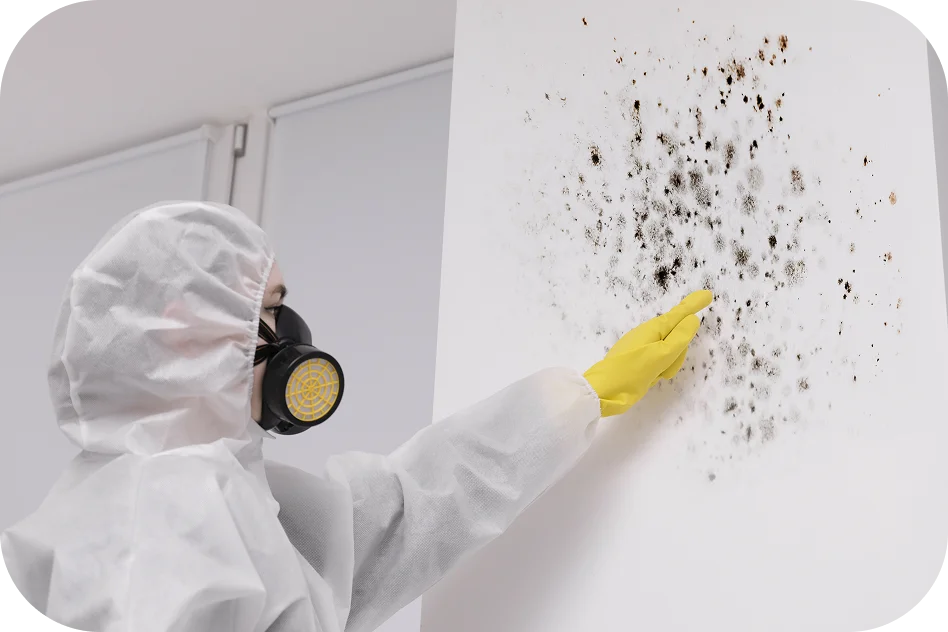

Mold is something most homeowners will encounter at some point. It often starts small, maybe as a few dark spots on the shower grout or a faint musty smell after a long bath. Because it seems harmless, many people ignore it. However, mold in the bathroom can be more than just an eyesore. It can affect your health, damage your home, and create long-term problems if it is not handled properly.
In this guide, we will take a deep look at bathroom mold, why it grows, whether it is dangerous, how to identify different types, and most importantly, what you can do to prevent and remove it safely.
What Is Mold and Why Does It Grow in Bathrooms?
Mold is a type of fungus that thrives in warm, damp, and humid environments. It reproduces through tiny spores that float through the air. When these spores land on moist surfaces, they can begin to grow and spread quickly. Bathrooms are one of the most common places for mold growth because they provide the perfect environment: moisture, warmth, and organic material.
Every time you take a shower, wash your hands, or fill the bathtub, you are adding moisture to the air. Even with a fan or open window, humidity can linger. Over time, this moisture can settle on tiles, grout, paint, and ceilings, creating ideal conditions for mold colonies to form.
Some common areas where mold appears in bathrooms include:
- Around the edges of bathtubs and sinks
- Inside shower grout and tile corners
- On ceilings and walls
- Under sinks where there might be leaks
- Behind toilets or in poorly ventilated corners
Mold can begin growing within 24 to 48 hours in damp conditions, which is why regular cleaning and ventilation are so important.
Is Bathroom Mold Dangerous?
The short answer is yes, bathroom mold can be dangerous. While not every type of mold is toxic, all mold has the potential to cause problems for your health and your home if it is left untreated. The impact of mold depends on several factors, including the type of mold, the amount of exposure, and your personal sensitivity.
Here are the main risks to consider:
1. Health Risks of Bathroom Mold
Mold affects everyone differently. Some people may experience only mild symptoms, while others may develop more serious reactions, especially if they already have allergies, asthma, or a weakened immune system.
Common symptoms of mold exposure include:
- Sneezing and nasal congestion
- Itchy or watery eyes
- Skin rashes or irritation
- Coughing or throat irritation
- Headaches or fatigue
- Worsened asthma or other respiratory issues
Children, the elderly, and people with respiratory conditions are usually more sensitive to mold spores. Long-term exposure can lead to chronic respiratory problems, inflammation, and other health issues.
In some cases, people may develop a condition known as mold sensitivity. This means even small amounts of mold spores can cause strong allergic reactions. For those with asthma, exposure can trigger asthma attacks or make breathing more difficult.
2. The Problem with Toxic Mold
One particular type of mold, known as black mold (Stachybotrys chartarum), is especially concerning. This mold releases mycotoxins—chemical substances that can cause severe health issues in humans and animals. Not every black mold is the toxic kind, but when it is, prolonged exposure can lead to more serious symptoms such as:
- Chronic coughing
- Nausea or vomiting
- Nosebleeds
- Persistent fatigue
- Difficulty concentrating
- In rare cases, neurological symptoms
If you suspect you have black mold in your bathroom, it is important to take action right away and avoid disturbing the affected area until it can be professionally inspected.

How Mold Can Damage Your Home
Beyond health risks, mold can also cause significant damage to your home. Bathrooms are especially vulnerable because of the constant exposure to moisture. If mold is left to grow, it can:
- Weaken materials: Mold feeds on organic matter such as wood, paper, and drywall. Over time, it can weaken the structure behind tiles or walls.
- Stain surfaces: Mold can cause permanent discoloration on grout, caulking, and painted surfaces.
- Cause odors: A strong, musty smell can linger even after cleaning, making the space unpleasant.
- Spread easily: Once spores become airborne, they can travel to other rooms and start new colonies elsewhere.
If mold growth becomes severe, repairs can be expensive. It is always better to prevent mold than to fix the damage it causes later.
How to Tell if You Have Mold in the Bathroom
Sometimes mold is visible, and sometimes it hides where you cannot easily see it. Here are some signs to watch for:
- Visible spots or discoloration: Mold can appear as black, green, brown, or even orange patches. It often grows in grout lines, around sinks, and in corners where moisture collects.
- Musty or earthy smell: A persistent damp smell is often the first warning sign of hidden mold.
- Peeling paint or wallpaper: If paint or wallpaper starts to bubble, it could be due to moisture buildup behind the surface, which allows mold to grow.
- Persistent moisture: If certain areas stay damp for long periods, especially around plumbing, it can lead to hidden mold growth.
- Health symptoms that appear in the bathroom: If you experience coughing, sneezing, or itchy eyes whenever you enter the bathroom, it might be due to mold spores in the air.
Common Types of Bathroom Mold
Not all molds are the same. Different types have different appearances and risks. Some of the most common molds found in bathrooms include:
1. Black Mold (Stachybotrys chartarum)
This is the most well-known and feared type. It appears dark black or greenish-black and usually grows in areas that stay wet for long periods. Black mold releases mycotoxins that can cause health issues, so it should always be handled carefully and professionally.
2. Aspergillus
This type of mold can appear in many colors, including white, yellow, or brown. It often grows on damp walls or ceilings. While some strains are less harmful, others can cause respiratory infections in sensitive individuals.
3. Cladosporium
Cladosporium appears as black or olive-green spots. It can grow on painted surfaces, fabrics, and even on HVAC vents. It can cause allergic reactions and worsen asthma symptoms.
4. Penicillium
This mold is often blue or green and tends to spread quickly. It grows on wallpaper, carpets, and insulation. Exposure can lead to sinus infections and breathing difficulties.
5. Alternaria
This mold is often found near showers, tubs, and sinks. It appears in dark patches and can cause allergic reactions such as sneezing and itchy eyes.
Is Bathroom Mold More Dangerous Than Mold in Other Rooms?
Bathrooms are unique because of their constant humidity. Mold in a dry area like a bedroom might stay dormant for a while, but in a bathroom, moisture keeps it alive and spreading. That means bathroom mold can grow faster and produce more spores, increasing your exposure.
In addition, bathroom mold often grows close to where people breathe, such as around the shower or sink. This makes inhalation more likely. Mold in these areas can also spread to ventilation systems or nearby rooms, making it harder to control.
So while mold in any room is a concern, bathroom mold can be more persistent and harder to eliminate without addressing the underlying moisture source.
How to Safely Remove Bathroom Mold
If the mold covers a small area (less than 10 square feet), you can usually handle it yourself with proper safety precautions. However, larger infestations or repeated growth may require professional help.
Step 1: Protect Yourself
Wear gloves, goggles, and a mask to avoid breathing in spores. Make sure the bathroom is well-ventilated by opening windows or turning on an exhaust fan.
Step 2: Clean the Area
Use one of the following cleaning solutions:
- A mix of one part vinegar and one part water
- Hydrogen peroxide spray
- A commercial mold remover
Spray the solution on the affected area and let it sit for about 10 to 15 minutes. Then scrub with a brush or sponge until the mold is gone. Rinse thoroughly and dry the area completely.
Step 3: Replace Damaged Materials
If mold has gotten into caulk, grout, or drywall, cleaning might not be enough. In that case, you may need to remove and replace the affected materials to prevent regrowth.
Step 4: Dispose of Cleaning Materials
Throw away sponges, rags, or brushes that come into contact with mold to avoid spreading spores elsewhere.
Step 5: Address the Cause
Cleaning alone will not solve the problem if moisture continues to collect. Identify and fix leaks, improve ventilation, and use a dehumidifier if necessary.
When to Call a Professional
You should consider hiring a professional mold inspector or remediation expert if:
- The mold covers a large area or keeps coming back
- You suspect black mold or toxic mold
- You can smell mold but cannot find the source
- There are leaks inside walls or under the floor
- You experience strong health reactions when cleaning mold
Professionals have specialized tools such as moisture meters and air quality testers that can locate hidden mold and confirm if it is toxic. They can also remove it safely using HEPA filtration and containment methods to prevent cross-contamination.

How to Prevent Bathroom Mold
Prevention is always easier than removal. A few simple habits can go a long way toward keeping your bathroom mold-free.
1. Control Moisture
Moisture is the number one reason mold grows. Use your bathroom fan during and after showers for at least 15 to 20 minutes. If you do not have a fan, keep a window open or use a portable dehumidifier.
2. Fix Leaks Quickly
Even a slow drip from a faucet or pipe can lead to mold. Inspect under sinks, behind toilets, and around bathtubs for any signs of water damage.
3. Wipe Down Surfaces
After bathing or showering, wipe down tiles, walls, and glass doors. This reduces moisture buildup and makes it harder for mold to start growing.
4. Use Mold-Resistant Products
When remodeling, choose mold-resistant paint, grout, or drywall. These materials are designed to resist moisture and discourage fungal growth.
5. Keep Clutter to a Minimum
Shampoo bottles, loofahs, and bath toys can trap water and create micro-environments where mold thrives. Store only what you need and dry items regularly.
6. Clean Regularly
Regular cleaning prevents soap scum and mildew from becoming a food source for mold. Use vinegar or baking soda-based cleaners to remove residue naturally.
7. Maintain Good Ventilation
Ensure air can circulate freely in your bathroom. Keep doors open after showers and avoid closing vents. Good airflow keeps humidity levels under control.
Natural Ways to Keep Mold Away
If you prefer natural cleaning methods, there are several safe and effective ways to combat mold without harsh chemicals.
- Vinegar: A natural disinfectant that kills many types of mold. Spray full-strength white vinegar on moldy areas, wait an hour, then rinse and dry.
- Baking Soda: Great for scrubbing tiles and grout. Mix with water to create a paste, scrub, and rinse.
- Tea Tree Oil: A few drops mixed with water in a spray bottle can act as a natural mold deterrent.
- Hydrogen Peroxide: Effective for killing mold on hard surfaces. Let it bubble for 10 minutes before wiping clean.
These solutions work best for mild cases or regular maintenance. For severe infestations, professional treatment may still be needed.
Can Bathroom Mold Come Back After Cleaning?
Yes, mold can return if the underlying moisture problem is not fixed. Mold spores are always present in the air, but they only grow when they find damp surfaces. If your bathroom remains humid or poorly ventilated, mold can come back even after thorough cleaning.
To prevent this:
- Always dry surfaces completely after cleaning.
- Re-caulk and re-grout if cracks develop.
- Keep humidity levels below 50 percent with a fan or dehumidifier.
- Check for leaks regularly.
The goal is to remove both the mold and the conditions that allow it to thrive.
When Bathroom Mold Becomes a Health Emergency
While most mold situations are manageable, certain cases require immediate attention. If you or anyone in your home experiences worsening asthma, chronic cough, frequent headaches, or unexplained fatigue, mold exposure could be a contributing factor. In such cases, it is best to consult both a healthcare provider and a professional mold inspector.
Pregnant women, infants, elderly individuals, and people with immune system disorders should avoid contact with mold entirely. Prolonged exposure can increase health risks for these groups.
The Cost of Ignoring Bathroom Mold
Ignoring mold might seem harmless at first, especially if it is only visible in small spots. But over time, the cost of inaction can grow. Mold can spread behind tiles, under flooring, and even into walls. Once it penetrates porous materials, it becomes difficult to remove and often requires professional remediation.
In addition to structural damage, homeowners may face:
- Decreased property value
- Higher repair costs
- Persistent odors
- Ongoing health issues
Preventing mold through regular cleaning and maintenance is much cheaper and easier than removing it later.
Key Takeaways
- Bathroom mold is common but should never be ignored.
- It can cause allergic reactions, breathing problems, and property damage.
- Black mold, or Stachybotrys chartarum, is especially dangerous and needs professional attention.
- Mold thrives in warm, damp environments with poor ventilation.
- Prevention through cleaning, ventilation, and moisture control is the best approach.
- Fix leaks immediately and keep surfaces dry to stop mold before it starts.
- If the mold is widespread or returns frequently, call a professional.
Conclusion
Bathroom mold is not just a cosmetic issue. It can affect your health, damage your home, and reduce your comfort. The good news is that with awareness, regular maintenance, and good ventilation, mold problems can be prevented or kept under control.
If you already have mold, start by cleaning small areas safely and addressing the moisture source. For larger or more serious infestations, professional inspection and remediation may be necessary to ensure your bathroom remains safe and healthy.
Keeping your bathroom dry, clean, and well-ventilated is the simplest and most effective way to protect yourself and your family from the risks of mold. With consistent care, you can enjoy a fresh, clean bathroom that looks good and supports your well-being every day.