
Key Takeaways
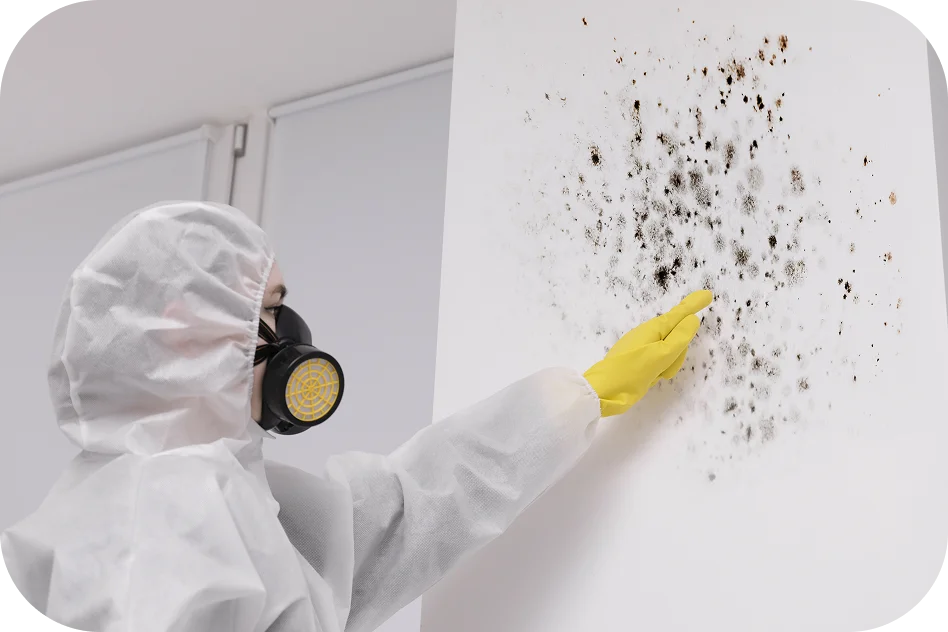
- Ozone is not a complete fix: While it can kill some exposed surface mold spores, it leaves behind dead mold, roots, and visible stains.
- It can't reach hidden mold: Ozone struggles to penetrate porous materials like drywall, flooring, and insulation where mold often thrives.
- Moisture control is essential: Mold will inevitably return if the underlying water leak or high humidity issue isn't permanently resolved.
- Ozone poses health risks: High concentrations of ozone are unsafe for humans and pets, requiring strict safety measures and proper ventilation.
- Professional remediation is best: For extensive, recurring, or deeply hidden mold problems, professional removal is the safest and most effective solution.
Mold can quickly become a serious problem in homes and commercial buildings. It can damage walls, ceilings, furniture, and other materials while also affecting indoor air quality. Because of this, many people look for fast ways to eliminate mold, and one solution that often comes up is ozone treatment.
But does ozone actually kill mold?
The short answer is that ozone can kill some mold spores under certain conditions, but it is not considered a complete or reliable solution for mold removal. In most cases, ozone treatment alone will not solve a mold problem because it does not remove the source of the moisture or the mold growing inside porous materials.
This guide explains how ozone works, whether it kills mold, its limitations, potential risks, and the best ways to deal with mold safely.
What Is Ozone?
Ozone is a gas made up of three oxygen atoms (O₃). It occurs naturally in the atmosphere and can also be produced using ozone generators.
Ozone is highly reactive, meaning it can react with bacteria, viruses, odors, and some organic materials.
Because of these properties, ozone is sometimes used for:
- Odor removal
- Water treatment
- Air purification
- Industrial cleaning
Some companies also advertise ozone treatment as a mold removal method.
Does Ozone Kill Mold?
Yes, ozone can damage or kill some mold spores when they are exposed to high enough ozone concentrations for a sufficient amount of time.
Ozone works by breaking down the outer structure of mold cells through oxidation.
However, killing mold spores is only part of the problem.
Even if ozone affects the mold, it does not remove:
- Dead mold
- Mold stains
- Mold roots inside materials
- Moisture that caused mold growth
Without fixing the moisture issue, mold often returns.
Can Ozone Remove Mold Completely?
No. Ozone should not be considered a complete mold remediation method.
Professional mold removal usually includes:
- Finding the moisture source
- Fixing leaks
- Removing contaminated materials when necessary
- Cleaning affected surfaces
- Drying the area completely
- Preventing future moisture problems
Ozone cannot replace these important steps.
How Does Ozone Work Against Mold?
Ozone reacts with mold cells through oxidation.
This process damages:
- Cell walls
- Cell membranes
- Internal cell structures
Eventually, some mold spores lose their ability to grow.
However, ozone has difficulty reaching mold hidden behind:
- Drywall
- Flooring
- Insulation
- Wood framing
- Carpets
- Furniture
If ozone cannot reach the mold directly, its effectiveness becomes limited.
Why Ozone Is Not a Complete Mold Solution
Many people assume that filling a room with ozone will eliminate all mold.
Unfortunately, mold often grows in places that ozone cannot easily reach.
Examples include:
- Behind walls
- Inside insulation
- Under flooring
- Behind cabinets
- Inside HVAC systems
- Beneath carpeting
The mold may survive in these hidden areas.
Can Ozone Kill Airborne Mold Spores?
Ozone may reduce some airborne mold spores while it is present. However, new spores are constantly released if active mold continues growing.
Unless the mold colony is removed, airborne spores can quickly return.
Does Ozone Remove Mold Odors?
Ozone is commonly used to reduce odors.
Because it reacts with odor-causing molecules, it may temporarily improve the smell in a room affected by mold.
However, eliminating the odor does not mean the mold is gone.
If moisture remains, the odor often returns as mold continues to grow.
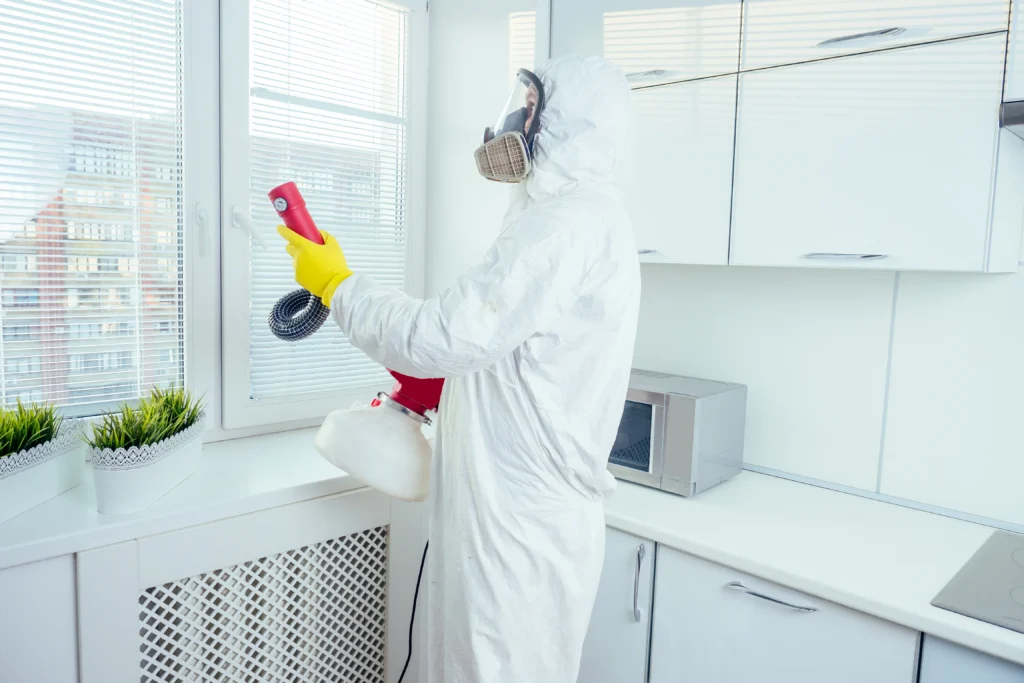
Can Ozone Remove Mold From Walls?
It depends.
If mold is growing only on the surface, ozone may affect some spores.
However, mold frequently grows beneath paint or inside drywall.
Ozone cannot reliably penetrate these materials deeply enough to remove the entire mold colony.
Does Ozone Work on Every Type of Mold?
Ozone may affect many common types of mold.
However, its effectiveness depends on several factors, including:
- Ozone concentration
- Exposure time
- Humidity
- Air circulation
- Surface type
Some mold colonies may be only partially affected.
Is Ozone Safe?
Ozone should be used carefully.
High concentrations can be harmful to people and animals.
Exposure may cause:
- Eye irritation
- Throat irritation
- Coughing
- Chest discomfort
- Shortness of breath
- Worsening asthma symptoms
People, pets, and plants should not remain in areas during ozone treatment.
The space should also be properly ventilated afterward.
Should You Use an Ozone Generator at Home?
Many portable ozone generators are sold for residential use.
While they may help reduce odors, they should not be relied upon as the primary solution for mold removal.
Improper use may expose occupants to unhealthy ozone levels without solving the underlying mold problem.
Always follow the manufacturer’s safety instructions.
What Actually Causes Mold?
Mold needs moisture to grow.
Common moisture sources include:
- Roof leaks
- Plumbing leaks
- Flooding
- High indoor humidity
- Condensation
- Poor ventilation
Removing moisture is the most important step in preventing mold.
The Best Way to Remove Mold
Proper mold removal focuses on addressing the source of the problem.
The process usually includes:
Find the Moisture Source
Repair leaks or moisture problems before cleaning the mold.
Dry the Area
Completely dry wet materials as quickly as possible.
Clean or Remove Affected Materials
Non-porous surfaces can often be cleaned.
Heavily contaminated porous materials may need replacement.
Prevent Future Moisture
Improve ventilation and control indoor humidity.
Can Ozone Prevent Mold From Coming Back?
Not by itself.
If excess moisture remains, mold can return even after ozone treatment.
Long-term prevention requires:
- Moisture control
- Leak repairs
- Proper ventilation
- Humidity management
When Should You Call a Professional?
Professional mold remediation is often recommended when:
- Mold covers a large area
- Mold keeps returning
- Water damage is extensive
- Mold is inside walls
- HVAC systems are contaminated
- Occupants experience ongoing health concerns
Professionals have specialized equipment to identify hidden moisture and safely remove contaminated materials.
Ozone vs Traditional Mold Removal
| Ozone Treatment | Professional Mold Removal |
| May affect some mold spores | Removes mold colonies |
| Helps reduce odors | Eliminates contaminated materials when needed |
| Does not remove moisture | Identifies and fixes moisture problems |
| Limited penetration | Reaches hidden mold sources |
| Mold may return | Reduces the chance of recurrence |
Common Myths About Ozone and Mold
Myth: Ozone permanently removes mold.
Fact: Ozone alone does not permanently eliminate mold.
Myth: If the smell disappears, the mold is gone.
Fact: Odors may disappear even when mold remains.
Myth: Ozone replaces professional mold remediation.
Fact: It should not replace proper inspection, cleaning, and moisture control.
Myth: Ozone reaches every hidden area.
Fact: Mold hidden inside walls or other enclosed spaces may not receive enough ozone exposure.
How to Prevent Mold Naturally
The best mold prevention methods are simple.
- Keep indoor humidity below recommended levels.
- Fix leaks promptly.
- Use exhaust fans in bathrooms and kitchens.
- Improve airflow throughout the home.
- Clean up water damage quickly.
- Regularly inspect areas prone to moisture.
These steps are far more effective than relying on ozone alone.
Frequently Asked Questions
Does ozone kill black mold?
Ozone may damage some black mold spores, but it does not completely remove mold colonies or solve the moisture problem causing mold growth.
How long does ozone treatment take?
Treatment times vary depending on the size of the area, the ozone generator used, and the severity of the odor or contamination.
Can mold return after ozone treatment?
Yes. If moisture is still present, mold can grow again even after ozone treatment.
Does ozone remove mold stains?
No. Ozone does not remove visible mold stains from building materials.
Can ozone reach mold behind drywall?
Its ability to penetrate enclosed spaces is limited, so hidden mold often remains untreated.
Is ozone better than bleach for mold?
Neither ozone nor bleach should be considered a complete mold remediation solution. Moisture control and proper cleaning or removal of affected materials are essential.
Can ozone damage household items?
High ozone levels may damage materials such as rubber, certain plastics, fabrics, and electronics after repeated exposure.
Should I stay inside during ozone treatment?
No. People and pets should leave the area during treatment and return only after it has been properly ventilated.
Does ozone remove mold from air ducts?
It may reduce odors, but contaminated HVAC systems often require professional inspection and cleaning.
Is professional mold remediation worth it?
For large, hidden, or recurring mold problems, professional remediation is often the safest and most effective solution.
Conclusion
So, does ozone kill mold?
Ozone can kill or damage some mold spores under certain conditions, but it is not a complete solution for mold removal. It cannot eliminate the moisture causing mold growth, remove mold hidden inside building materials, or clean away dead mold and contamination.
The most effective approach is to identify and repair the moisture source, remove contaminated materials when necessary, thoroughly clean affected areas, and ensure the space is completely dry. If mold is widespread or keeps returning, professional mold inspection and remediation provide the most reliable long-term solution.