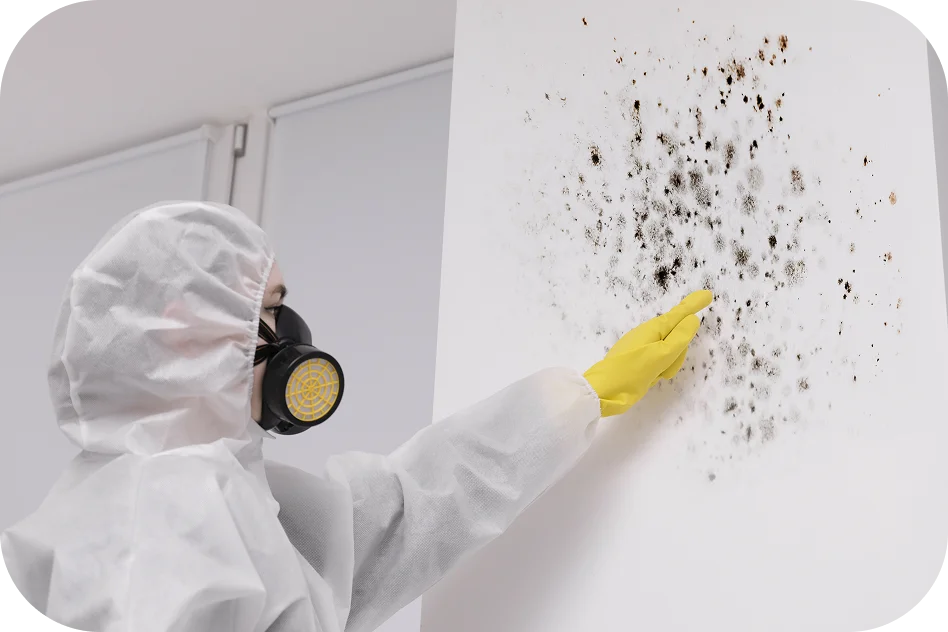

Summer in Florida brings the sun and heat, but it also brings seasonal allergies that can affect many residents. The warmer months increase pollen, mold growth, and dust in the air, triggering symptoms like sneezing, congestion, itchy eyes, and asthma flare-ups. While outdoor allergens are often blamed, the air inside your home can be just as harmful. In this blog, we’ll explore how your home’s air quality may contribute to your summer allergies and why mold and air quality testing are essential.
How Summer Allergies in Florida Impact You
In Florida’s hot and humid summer months, allergens such as pollen, mold, and dust thrive. These can cause a variety of symptoms, ranging from mild irritation to severe respiratory issues. Pollen, mold, and dust mites are the biggest culprits behind allergy flare-ups.
- Pollen is abundant in Florida, especially from trees like oak and pine. Although it is primarily an outdoor allergen, it can enter your home, especially if windows are open or your air conditioning isn’t well-maintained.
- Mold thrives in Florida’s humid climate, growing on surfaces like carpets, furniture, and walls, and releasing spores into the air, triggering allergic reactions.
- Dust mites are tiny creatures that live in fabrics, carpets, and mattresses. They thrive in humid environments, contributing to allergy symptoms year-round.

How Your Home’s Air Quality Affects Your Health
Indoor air quality has a significant impact on health, particularly for those with pre-existing conditions like asthma or sinusitis. Poor air quality can worsen allergy symptoms, leading to headaches, fatigue, and respiratory issues.
Mold is one of the major offenders. The spores it releases can be inhaled and cause sneezing, coughing, nasal congestion, and eye irritation. People with asthma may experience more severe reactions, such as wheezing or shortness of breath. Mold grows in poorly ventilated, humid areas, and Florida’s climate can easily create ideal conditions for mold development, even in well-maintained homes.
Identifying Symptoms of Summer Allergies
Indoor air quality is crucial when it comes to allergy symptoms. Here are common signs that poor air quality in your home may be making your summer allergies worse:
- Sneezing and Coughing: Frequent sneezing or coughing when indoors can indicate an allergic reaction.
- Nasal Congestion: Blocked sinuses and congestion often point to allergic rhinitis, which can be triggered by mold, dust mites, or pollen.
- Itchy or Watery Eyes: Allergens like mold spores and pollen are common causes of itchy, red, or watery eyes.
- Wheezing and Shortness of Breath: Asthma sufferers may experience increased symptoms when exposed to allergens indoors.
- Fatigue: Chronic exposure to allergens can leave you feeling tired, as your body fights the allergic reaction.
- Skin Irritations: Mold and dust mites can cause skin rashes or itching, especially in areas where exposure is frequent.
If you experience any of these symptoms, it might be time to assess your home’s air quality.
How Mold Contributes to Summer Allergies
Mold is one of the most significant allergens in Florida, especially during the summer. High humidity levels create perfect conditions for mold to grow in bathrooms, kitchens, basements, and attics. Mold spores are released into the air, and when inhaled, they can trigger allergy symptoms, ranging from mild discomfort to serious health issues.
Mold can also damage your home’s structure, deteriorating drywall, wood, and insulation. If left untreated, mold can lead to costly repairs. Since mold often grows in hidden places, such as behind walls or under carpets, it’s essential to regularly check for signs of mold and address potential issues before they become more severe.
The Importance of Air Quality and Mold Testing
If you suspect that indoor allergens are affecting your health, air quality testing and mold inspection can help identify the problem. These tests measure the levels of allergens such as pollen, mold spores, dust, and pet dander, and pinpoint which ones are most prevalent in your home.
A mold inspection is particularly important as it involves a thorough examination of your home for visible or hidden mold growth. A professional mold inspector will assess areas like attics, basements, and around plumbing fixtures. If mold is found, remediation services can safely remove it and prevent it from returning.

Benefits of Mold and Air Quality Testing
Testing for mold and allergens provides several key benefits:
- Identifies Hidden Allergens: Mold and other allergens often hide in hard-to-reach areas. Testing can help uncover these hidden sources.
- Improves Health: By eliminating allergens in your home, you can reduce allergy symptoms and improve your overall well-being.
- Prevents Damage: Mold can cause significant damage to your home. Testing allows for early detection, preventing costly repairs down the road.
- Gives You Peace of Mind: Knowing that your home’s air is free from harmful allergens brings peace of mind, especially for individuals with respiratory conditions.
Steps to Improve Your Home’s Air Quality
Here are simple, practical steps to improve your home’s air quality and reduce summer allergy symptoms:
- Use Air Purifiers: Consider using HEPA air purifiers to filter out allergens such as dust, mold spores, and pollen. Placing them in high-traffic areas like living rooms and bedrooms can help reduce airborne allergens.
- Control Humidity: Use dehumidifiers to maintain optimal humidity levels between 30-50%. This helps prevent mold growth and reduces dust mite populations.
- Clean Regularly: Regular cleaning reduces the buildup of dust, pet dander, and mold spores. Focus on areas prone to moisture, such as bathrooms and basements.
- Maintain Your HVAC System: Ensure your HVAC system is clean and regularly maintained to prevent dust and mold buildup in ducts and vents.
- Address Water Damage Quickly: If you notice any leaks or water damage, address them immediately to prevent mold growth. Repair leaks, dry wet areas, and replace damaged materials as necessary.
Protect Your Health and Improve Your Home’s Air Quality
Summer allergies in Florida are a common issue, but they are not only caused by outdoor allergens like pollen. Poor air quality in your home, especially due to mold and dust mites, can also contribute to allergy symptoms. By taking steps to improve your indoor air quality—through regular cleaning, humidity control, and air quality testing—you can reduce exposure to harmful allergens and create a healthier living environment. If you’re experiencing symptoms and suspect your home’s air quality is to blame, consider having your home professionally inspected for mold and tested for allergens to ensure a safe, comfortable space this summer.
FAQs: Are Summer Allergies in Florida Linked to Your Home’s Air?
1. What makes summer allergies in Florida particularly challenging for residents?
Florida’s hot and humid summer months create ideal conditions for allergens like abundant pollen (from trees like oak, pine), thriving mold, and dust mites, leading to widespread allergy symptoms.
2. Can outdoor allergens like pollen significantly impact indoor air quality?
Yes, even primarily outdoor allergens like pollen can easily enter your home through open windows or if your air conditioning system is not well-maintained, contributing to indoor allergy triggers.
3. Besides mold and pollen, what other common indoor allergen thrives in humid Florida summers?
Dust mites are tiny creatures that proliferate in humid environments, commonly found in fabrics, carpets, and mattresses, significantly contributing to year-round allergy symptoms, including in summer.
4. What specific health symptoms might indicate that my summer allergies are linked to my home’s air quality?
Persistent sneezing, coughing, nasal congestion, itchy/watery eyes, wheezing, shortness of breath, chronic fatigue, and unexplained skin irritations when indoors can all point to poor indoor air quality exacerbating allergies.
5. How does Florida’s humidity directly contribute to mold as an allergen in homes?
High humidity levels create the perfect breeding ground for mold in various areas of the home (bathrooms, kitchens, attics), causing it to release spores that are easily inhaled and trigger allergic reactions.
6. What’s the primary benefit of professional air quality and mold testing for allergy sufferers?
Professional testing can identify hidden allergens and invisible mold growth in hard-to-reach areas, pinpointing the exact culprits behind persistent allergy symptoms, which DIY methods often miss.
7. Is mold only a health concern, or can it also damage my home’s structure?
Mold is both a health concern and a structural threat. It can deteriorate drywall, wood, and insulation, potentially leading to costly repairs if left unaddressed.
8. What simple steps can homeowners take to control indoor humidity and reduce allergens?
Using dehumidifiers to maintain humidity levels between 30-50%, regularly cleaning moisture-prone areas, and ensuring your HVAC system is well-maintained are crucial steps.
9. Why is addressing water damage quickly so vital for preventing indoor allergens like mold?
Immediate action on leaks or water damage is critical because mold can begin to grow within 24-48 hours, rapidly releasing spores that contribute to indoor allergy problems.
10. Can air purifiers effectively filter out all types of indoor allergens mentioned in the article?
HEPA air purifiers are effective at filtering out many common airborne allergens like dust, mold spores, and pollen. However, they are most effective when combined with humidity control and regular cleaning.