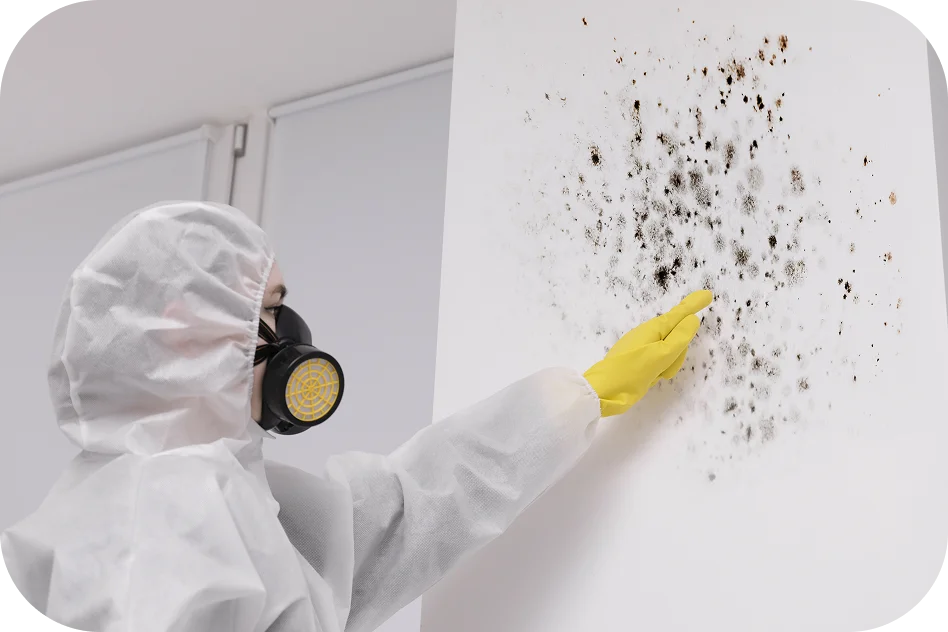

Short answer, yes, mold can be linked to headaches and migraines in many people, especially those who are sensitive to mold or living in a damp, moldy environment. But how does that actually work, and what can you do about it?
In this blog, we will break down how mold affects your body, why it may cause headaches, what signs to look out for, and practical steps to reduce mold in your home.
What is mold?
Mold is a type of fungus that grows in damp, warm, or humid places. It can appear as black, green, white, or even orange spots on walls, ceilings, bathrooms, carpets, or around windows. Some common indoor molds include Aspergillus, Penicillium, and Stachybotrys (often called black mold).
Mold releases tiny particles into the air called spores. You cannot always see these spores, but you can breathe them in. For many people, breathing in small amounts of mold does not cause serious problems. For others, especially those with allergies, asthma, or weak immune systems, mold can trigger many symptoms, including headaches.
Can mold cause headaches?
Yes, mold can cause headaches in several ways. This is why the question “Can mold cause headaches” is so common among people who live in damp or water damaged homes.
Here are some of the main reasons mold may lead to headaches:
1. Allergic reactions
Many people are allergic to mold spores. When they breathe in mold, their immune system reacts. This immune response can cause:
- Sinus pressure
- Stuffy or runny nose
- Sneezing
- Itchy or watery eyes
- Post nasal drip
When your sinuses are inflamed or blocked due to mold allergies, you may develop a sinus headache. This type of headache often feels like pressure around your eyes, cheeks, or forehead. Bending over or lying down may make the pain worse.
2. Sinus infections
Long term exposure to mold can irritate the lining of your nose and sinuses. In some cases, this may lead to sinus infections. Sinus infections can cause:
- Facial pain or pressure
- Headaches
- Thick nasal mucus
- Fever in some cases
In these situations, mold is not just causing an allergy. It may be contributing to infection or ongoing inflammation that leads to headaches.
3. Inflammation and sensitivity
Some people are especially sensitive to mold and other environmental triggers. When they spend time in a moldy building, they may feel:
- Headaches or migraines
- Fatigue
- Trouble concentrating
- Dizziness
- General feeling of being unwell
Even if they leave the moldy space, symptoms can sometimes linger for a while.
Researchers are still studying exactly how mold and mold related chemicals affect the nervous system. But inflammation seems to be one of the key factors. When your body is constantly reacting to something in your environment, like mold, it can keep your immune system “turned on.” Over time, this ongoing inflammation may be linked to frequent headaches.
4. Strong smells and irritants
Some molds have a strong, musty odor. For some people, strong odors can trigger headaches or migraines, even if they are not allergic. Mold can also produce substances called volatile organic compounds (VOCs). These are chemicals that can evaporate into the air and may irritate your eyes, nose, throat, and lungs.
If you already get headaches from perfumes, smoke, or cleaning chemicals, mold related odors or VOCs may trigger similar reactions.

What do mold related headaches feel like?
There is no single “mold headache” that looks the same in every person. However, you might notice patterns like these:
- Headaches that get worse when you are at home, at work, or in a specific room
- Headaches that improve when you spend time outside or away from the building
- Headaches that come along with sinus symptoms like congestion, pressure, or post nasal drip
- Migraines that seem to be triggered by musty smells or damp environments
If you keep asking yourself “Can mold cause headaches?” because you see mold in your home and you notice these patterns, mold might be playing a role.
Other symptoms of mold exposure
Headaches are one possible sign of mold exposure, but they rarely show up alone. You may also notice:
- Stuffy or runny nose
- Sneezing or coughing
- Itchy or watery eyes
- Sore throat or hoarse voice
- Wheezing or shortness of breath, especially if you have asthma
- Skin rashes in some people
- Feeling tired or “foggy”
If you or your family experience several of these symptoms, and you know your home or workplace has moisture problems, it may be time to take mold seriously.
Who is more at risk of mold related headaches?
Anyone can be affected by mold, but some people are more likely to develop headaches or other problems from it. These include:
- People with allergies or asthma
- People with chronic sinus problems
- Those who get frequent migraines
- Infants, children, and older adults
- People with weak immune systems or certain medical conditions
If you fall into one of these groups, removing mold and controlling moisture in your environment is especially important.
When should you suspect mold as a cause of headaches?
It can be hard to prove that mold is the exact cause of your headaches, because many things can trigger head pain. Still, you should pay attention to clues such as:
- Visible mold on walls, ceilings, carpets, or around windows
- A strong musty or earthy smell in certain rooms
- Water stains or past water leaks
- Peeling paint, warped wood, or damp spots
- Headaches that consistently flare up in the same building and ease when you leave
If several of these signs are present, the question “Can mold cause headaches?” becomes very relevant. Even if mold is not the only cause, it may be making your symptoms worse.
What to do if you think mold is causing your headaches
If you believe mold may be linked to your headaches, here are some practical steps:
1. See a doctor
First, talk to a healthcare provider. They can:
- Ask about your symptoms and medical history
- Perform a physical exam, especially of your nose and sinuses
- Consider allergy testing to see if you react to mold
- Rule out other causes of headaches
Make sure you tell your doctor about any mold or moisture problems in your home or workplace. Mention when your headaches happen, where you are, and what other symptoms you have.
2. Consider mold testing
If you keep wondering “Can mold cause headaches?” and you notice damp areas or a musty smell, mold testing can help you find out what is in your air and on your surfaces.
Mold testing can:
- Show if mold is present
- Identify the types of mold
- Give an idea of how serious the problem is
There are two main choices.
Professional mold inspection and testing
A certified mold inspector can:
- Look for visible and hidden mold with special tools
- Take air and surface samples
- Send samples to a lab and explain the results
- Recommend the next steps for cleanup
This is usually best if you have ongoing headaches, a history of leaks or flooding, or suspect hidden mold in walls, ceilings, or floors.
Do it yourself mold test kits
Store bought kits may show that mold is present, but they are limited. They often do not show how big the problem is or where it is coming from, and results can be hard to understand without expert help.
If testing shows high mold levels, that is a strong sign your environment may be adding to your headaches. Cleaning up the mold and fixing moisture problems can be an important part of feeling better.
3. Reduce mold in your environment
Medical care is important, but you also need to address the source of exposure. Here are some steps you can take at home:
- Fix leaks quickly – Repair leaking roofs, pipes, or windows as soon as possible. Water problems provide the perfect conditions for mold.
- Dry damp areas – Any area that gets wet should be dried within 24 to 48 hours if possible. Use fans and open windows if the weather allows. In very humid areas, a dehumidifier can help.
- Improve ventilation – Use exhaust fans in bathrooms and kitchens. Make sure your home has good airflow. Avoid blocking vents.
- Clean small mold areas safely – For small spots of mold on hard surfaces, you can often clean them yourself with soap and water or a household cleaner. Wear gloves and, if possible, a mask to avoid breathing in spores.
- Replace moldy materials – If mold has grown into porous materials like ceiling tiles, drywall, or carpet, those materials often need to be removed and replaced. Simply wiping the surface may not be enough.
- Consider professional help – For large mold problems, or if the mold keeps coming back, it is best to call a professional mold inspector or remediation company. They can find hidden mold, measure moisture, and suggest a full plan for cleanup.
4. Track your symptoms
It can help to keep a simple symptom diary. Write down:
- When your headaches start and stop
- Where you are when they occur
- Any triggers you notice, such as musty smells, dust, or certain rooms
- Other symptoms like congestion, coughing, or fatigue
Over time, patterns may become clear. If your headaches improve after mold cleanup or when you stay in a different environment, that is another clue that mold was affecting you.

Can mold cause headaches in children?
Yes, children can also develop headaches from mold exposure. Kids may not always describe their symptoms clearly, but they might:
- Complain of head pain or “pressure”
- Rub their forehead or eyes
- Seem extra tired or fussy
- Have trouble focusing on schoolwork
- Show more allergy or asthma symptoms
Children often spend a lot of time indoors at home or school, so indoor air quality is very important. If you notice mold in areas where children sleep or play, take action quickly.
Can mold cause migraines?
For some people, mold can act as a trigger for migraine attacks. Migraine is a type of headache that can cause:
- Intense, throbbing pain, often on one side of the head
- Sensitivity to light, sound, or smells
- Nausea or vomiting
- Blurred vision
If your migraines seem to flare up in certain buildings or during damp weather, mold or moisture issues may be part of the problem. Managing your environment, along with your regular migraine treatment, may help reduce the number of attacks.
When to get urgent help
Most headaches related to mold are uncomfortable but not life threatening. However, you should seek urgent medical attention if you notice:
- Sudden, very severe headache that feels like the worst headache of your life
- Headache with confusion, difficulty speaking, weakness, or loss of balance
- Headache with high fever and stiff neck
- Headache after a head injury
- Headache that keeps getting worse and does not improve with rest or usual medicine
These signs can point to a serious condition that needs immediate care. Mold exposure might be one part of the picture, but emergency symptoms should never be ignored.
Conclusion
So, can mold cause headaches? For many people, the answer is yes. Mold can:
- Trigger allergic reactions that lead to sinus headaches
- Irritate your airways and sinuses, sometimes causing infections
- Act as an environmental trigger for migraines or tension type headaches
- Make existing breathing or allergy problems worse, which can also contribute to head pain
If you notice that your headaches and other symptoms are worse in a damp, musty, or moldy place, it is worth taking a closer look. Talk to a doctor, improve ventilation and moisture control, and consider getting your home inspected for mold.
Taking mold seriously is not just about your walls and ceilings. It is also about your health, your energy, and your quality of life.