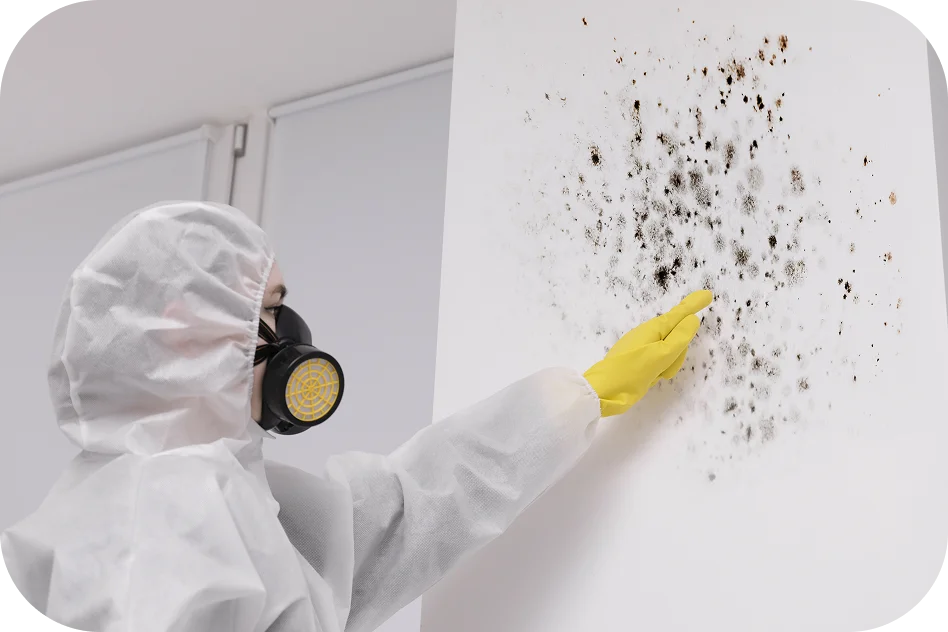

If you have ever seen mold growing on a wall, ceiling, or bathroom tile, you probably felt uneasy. Mold looks unpleasant and smells musty. Many people also worry about how it affects health. One common question is this: can mold cause pneumonia?
The short answer is that mold can affect the lungs, and in some cases it may lead to serious infections that look like pneumonia. However, it does not usually cause pneumonia in healthy people. The full answer is more detailed, and understanding it can help you protect yourself and your family.
In this guide, we will explain what mold is, how it affects the lungs, what pneumonia is, who is most at risk, and what you can do to stay safe.
What Is Mold?
Mold is a type of fungus. It grows in damp, warm, and humid places. Mold spreads by releasing tiny spores into the air. These spores are so small that we cannot see them. We breathe them in every day without even realizing it.
Mold can grow indoors and outdoors. Outdoors, it plays an important role in breaking down dead plants and organic material. Indoors, however, it can become a problem when it grows in places like:
- Bathrooms
- Kitchens
- Basements
- Around windows
- Under sinks
- On ceilings after leaks
- Inside air conditioning systems
When moisture stays trapped, mold can grow quickly.
What Is Pneumonia?
Pneumonia is an infection of the lungs. It causes the air sacs in the lungs to fill with fluid or pus. This makes it harder to breathe and get enough oxygen.
Common symptoms of pneumonia include:
Pneumonia is most often caused by bacteria or viruses. Fungal infections can also cause pneumonia, but they are less common and usually affect people with weak immune systems.
How Mold Affects the Lungs
When you breathe in mold spores, your body usually handles them without any problem. The immune system traps and removes them. Most healthy people will not get sick from normal levels of mold exposure.
However, in some situations, mold can cause lung problems. These include:
- Allergic reactions
- Asthma flare ups
- Hypersensitivity reactions
- Fungal lung infections
The risk depends on your health, the amount of mold, and the type of mold involved.

Can Mold Directly Cause Pneumonia?
In most healthy people, mold exposure does not directly cause pneumonia.
However, certain types of mold can lead to fungal pneumonia in people with weakened immune systems. This type of pneumonia is not common in the general population.
There are specific fungi that are known to cause lung infections, such as Aspergillus. These fungi can grow in damp environments and release spores into the air. If someone with a weak immune system breathes in large amounts of these spores, they may develop a lung infection that looks like pneumonia.
mounts of these spores, they may develop a lung infection that looks like pneumonia.
So the answer is yes, mold can cause pneumonia in certain situations, but it is not a common cause in healthy individuals.
Who Is Most at Risk?
Some people are more likely to develop serious lung problems from mold exposure.
People With Weak Immune Systems
This includes individuals who:
- Have cancer
- Are receiving chemotherapy
- Have had organ transplants
- Are taking immune suppressing medications
- Have advanced HIV
Their bodies may not be able to fight off fungal infections effectively.
People With Chronic Lung Disease
Those with asthma, chronic obstructive pulmonary disease, or other lung conditions may have stronger reactions to mold.
Older Adults
As we age, our immune systems may not respond as strongly to infections.
Babies and Young Children
Young children may be more sensitive to poor air quality.
Types of Mold Related Lung Problems
Not all lung problems from mold are pneumonia. It is important to understand the differences.
Mold Allergies
Many people are allergic to mold. Symptoms can include:
- Sneezing
- Runny nose
- Itchy eyes
- Cough
- Skin rash
These symptoms are similar to seasonal allergies.
Asthma Flare Ups
Mold can trigger asthma attacks in people who already have asthma. This can cause wheezing, coughing, and shortness of breath.
Hypersensitivity Pneumonitis
This is an immune reaction to inhaled mold spores. It can cause cough, fever, and breathing problems. It may look like pneumonia on imaging tests, but it is caused by inflammation rather than infection.
Fungal Pneumonia
This is an actual infection in the lungs caused by fungi. It is rare and usually occurs in people with weakened immune systems.

How Fungal Pneumonia Develops
Fungal pneumonia happens when mold spores are inhaled deep into the lungs. If the immune system cannot clear them, the fungi may grow and cause infection.
Symptoms may include:
- Persistent cough
- Fever
- Chest discomfort
- Weight loss
- Fatigue
Doctors diagnose fungal pneumonia using imaging tests and lab tests. Treatment often involves antifungal medications.
Common Mold Types in Homes
Some common molds found indoors include:
Stachybotrys is often called black mold. It has gained attention because of its dark appearance and potential health effects.
Not all mold types cause serious illness. Many cause only mild allergy symptoms.
Signs That Mold Might Be Affecting Your Health
If mold is causing health issues, you may notice:
- Symptoms that get worse indoors
- Improvement when away from home
- Ongoing cough with no clear cause
- Frequent sinus infections
- Increased asthma attacks
If you experience these symptoms, it may be worth checking your home for moisture or mold problems.
How Much Mold Exposure Is Dangerous?
There is no simple number that defines safe or unsafe mold levels. Sensitivity varies from person to person.
Small amounts of mold are common in many environments. Problems usually happen when:
- There is heavy mold growth
- Exposure lasts a long time
- Ventilation is poor
- The person exposed has health conditions
Large visible mold patches or strong musty smells should be addressed.
Mold and Indoor Air Quality
Indoor air quality plays a big role in respiratory health. Poor ventilation can allow mold spores to build up in the air.
Using exhaust fans in bathrooms and kitchens can help reduce moisture. Air purifiers with HEPA filters can also reduce airborne particles.
Keeping indoor humidity below fifty percent helps prevent mold growth.
How To Prevent Mold Growth
Prevention is easier than treatment. Here are simple steps to reduce mold in your home:
- Fix leaks quickly
- Dry wet areas within twenty four hours
- Use dehumidifiers in damp spaces
- Improve ventilation
- Clean and maintain air conditioning systems
- Avoid carpeting in damp areas
Regular cleaning and maintenance make a big difference.
What To Do If You Find Mold
If you see mold in your home, do not panic. Small areas can often be cleaned with soap and water. Wear gloves and a mask while cleaning.
For large areas or mold caused by flooding, professional removal may be needed. If you suspect mold is causing health issues, consult a doctor.

When To See a Doctor
You should see a healthcare provider if you have:
- Persistent cough
- Fever with breathing difficulty
- Chest pain
- Symptoms that do not improve
If you have a weakened immune system and are exposed to heavy mold, seek medical advice promptly.
Early diagnosis improves treatment outcomes.
How Doctors Diagnose Mold Related Lung Issues
Doctors may ask about your symptoms and home environment. They may perform:
- Chest X rays
- CT scans
- Blood tests
- Sputum tests
These tests help determine whether symptoms are caused by infection, allergy, or another condition.
Treatment Options
Treatment depends on the diagnosis.
- For allergies, antihistamines or nasal sprays may help.
- For asthma flare ups, inhalers are often prescribed.
- For hypersensitivity reactions, removing the mold source and sometimes using steroids can help.
- For fungal pneumonia, antifungal medications are required.
Can Mold Exposure Be Fatal?
In rare cases, severe fungal infections can be life threatening, especially in people with weakened immune systems.
For healthy individuals, serious outcomes are uncommon. The key is early recognition and treatment.
Everyday Situations and Mold
Many people worry after discovering mold in their bathroom or basement. It is understandable to feel concerned. The good news is that most short term exposure to small amounts of mold does not cause pneumonia in healthy people.
However, ignoring large mold problems for a long time can increase the risk of respiratory symptoms.
Being aware and proactive is the best approach.
Mold in Workplaces and Public Buildings
Workplaces with water damage or poor ventilation may develop mold problems. Schools and offices have sometimes faced mold issues.
If you suspect mold in a building, report it to management. Addressing the source of moisture is essential.
Employers have a responsibility to provide safe working conditions.
Emotional Impact of Mold Exposure
Living in a home with visible mold can cause stress and anxiety. Constant worry about health can affect mental wellbeing.
If mold is discovered, focus on practical steps to fix the problem rather than imagining worst case scenarios.
Reliable information and proper cleaning can restore peace of mind.
Common Myths About Mold and Pneumonia
There are many myths about mold.
- Myth one is that any mold exposure causes pneumonia. This is not true. Most exposure leads to mild symptoms or none at all.
- Myth two is that black mold always causes severe illness. While some molds can cause problems, not all dark colored mold is dangerous.
- Myth three is that once exposed, lung damage is permanent. Many mold related issues improve once exposure stops.
Understanding facts helps reduce fear.
Long Term Health Effects
Long term exposure to heavy mold may contribute to chronic respiratory problems in some people.
However, most health effects improve once the source of mold is removed and the environment is cleaned.
Maintaining dry and clean living spaces supports long term health.
FAQs About Mold and Pneumonia
Can mold exposure cause pneumonia in healthy adults?
In most healthy adults, mold exposure does not cause pneumonia. It is more likely to cause mild allergy symptoms or irritation. Fungal pneumonia from mold is rare and usually affects people with weakened immune systems.
How long does it take for mold exposure to affect the lungs?
Symptoms from mold exposure can appear within hours or days if someone is sensitive. However, serious infections usually develop over a longer period and mainly in people with existing health conditions.
Can sleeping in a room with mold make you sick?
Yes, long term exposure to mold in a bedroom can lead to coughing, congestion, or worsening asthma. Good ventilation and removing the mold source are important to protect your health.
Is black mold more dangerous than other types of mold?
Not all black colored mold is highly dangerous. Some types can cause stronger reactions, but many molds look similar. The health risk depends more on the amount of exposure and your immune system.
Can mold pneumonia spread from person to person?
Fungal pneumonia caused by mold does not usually spread from one person to another. It develops when someone inhales spores from the environment.
What are the early warning signs of mold related lung problems?
Early signs may include persistent cough, shortness of breath, chest tightness, and symptoms that improve when you leave the affected environment.
How do I know if it is mold in my home?
Mold often appears as dark spots or patches on walls, ceilings, tiles, or around windows. It may look black, green, brown, or white. A musty smell is also a common sign. If you are unsure whether a substance is mold, it is best to contact a mold testing specialist who can properly inspect and test the area.
Can air purifiers help prevent mold related illness?
Air purifiers with HEPA filters can reduce airborne mold spores, but they do not remove mold growing on surfaces. Fixing moisture problems is the most important step.
Should I get tested for mold exposure if I have a cough?
Not always. A cough can have many causes. If you suspect mold exposure and symptoms continue or worsen, consult a healthcare provider for proper evaluation.
Can children develop pneumonia from mold exposure?
It is uncommon, but children with weakened immune systems or chronic lung conditions may be at higher risk. Most children exposed to mold experience allergy like symptoms instead of pneumonia.
Does removing mold immediately reduce health risks?
Yes, removing mold and fixing moisture issues can reduce ongoing exposure and help prevent further respiratory irritation or infection.
Conclusion
So can mold cause pneumonia? In rare cases, yes, especially in people with weakened immune systems. For most healthy individuals, mold exposure is more likely to cause allergy symptoms or asthma flare ups rather than true pneumonia.
The key factors are the type of mold, the level of exposure, and the health of the person exposed. If you notice mold in your home, take steps to remove it and fix moisture problems. If you develop persistent respiratory symptoms, seek medical advice.
Mold is common in many environments, but serious infections are not common in healthy people. With awareness, proper cleaning, and good ventilation, you can reduce risks and protect your lungs.
Understanding the facts allows you to respond calmly and wisely. Your health is important, and simple prevention steps can go a long way in keeping your home safe and comfortable.