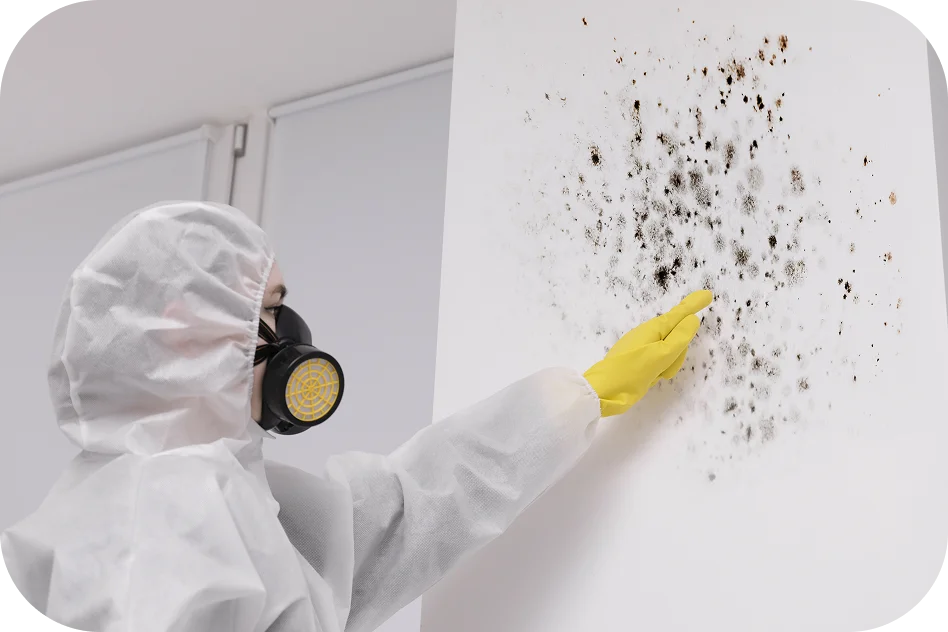

Mold in basement is a common problem for many homeowners. Basements are naturally more prone to moisture, darkness, and limited airflow, which creates the perfect environment for mold to grow. If left untreated, basement mold can spread, damage your home, and affect indoor air quality.
Knowing how to get rid of mold in basement starts with understanding why it appears, how to remove it safely, and how to prevent it from coming back. This guide walks you through everything you need to know in a simple, clear way.
Why Mold Grows in Basements
Mold needs three main things to grow: moisture, organic material, and time. Basements often provide all three.
Basements are usually cooler than the rest of the home. When warm air enters, condensation can form on walls, pipes, and floors. Small leaks, foundation cracks, or water seepage from heavy rain can add even more moisture.
Other common reasons mold grows in basements include:
- Poor ventilation
- High humidity levels
- Leaky plumbing or appliances
- Flooding or water intrusion
- Damp concrete or unfinished walls
- Stored cardboard, wood, or fabric
Once mold starts growing, it can spread quickly if moisture is not controlled.
Signs of Mold in Basement
Some mold is easy to spot, while other cases are hidden behind walls or under flooring. Common signs of basement mold include:
- Musty or earthy odors
- Black, green, white, or gray spots on walls or ceilings
- Peeling paint or bubbling drywall
- Water stains or discoloration
- Increased allergy symptoms when in the basement
Even if you do not see visible mold, a persistent musty smell often indicates hidden growth.
Is Basement Mold Dangerous?
Mold affects people differently. Some individuals may have no symptoms, while others experience irritation or health problems.
Possible health effects include:
- Sneezing or coughing
- Nasal congestion
- Eye irritation
- Headaches
- Worsening asthma or allergies
Long term exposure to mold spores can be more concerning, especially for children, older adults, and people with weakened immune systems.
Because basements often connect to the rest of the home, mold spores can travel through the air and affect indoor air quality throughout the house.

Step One: Fix the Moisture Problem First
Before trying to remove mold, you must address the source of moisture. Cleaning mold without fixing moisture will only provide temporary results.
Start by identifying where moisture is coming from:
- Check for plumbing leaks
- Inspect foundation walls for cracks
- Look for signs of water seepage after rain
- Examine windows and window wells
- Check sump pumps and drainage systems
You may need to repair leaks, seal cracks, improve drainage, or redirect downspouts away from the foundation.
Step Two: Improve Ventilation and Reduce Humidity
Lowering humidity is one of the most effective ways to stop mold growth.
Most basements should maintain humidity levels below 50 percent. You can achieve this by:
- Using a dehumidifier regularly
- Running exhaust fans if available
- Opening windows when weather allows
- Improving air circulation with fans
- Sealing gaps that allow moist air in
A dehumidifier with a built-in humidity monitor works best for basements with ongoing moisture issues.
Step Three: Decide If You Can Remove Mold Yourself
Not all mold situations are safe to do it yourself. Small surface mold may be manageable, but larger or hidden mold problems often require professional help.
You may be able to clean mold yourself if:
- The affected area is smaller than about 10 square feet
- Mold is on non porous surfaces like concrete or metal
- You do not have respiratory conditions or mold allergies
You should consider professional mold services if:
- Mold covers a large area
- Mold is inside walls, insulation, or HVAC systems
- The basement has experienced flooding
- There is strong odor but no visible mold
- You have health symptoms linked to mold exposur
Step Four: How to Remove Mold Safely
If the mold problem is small and visible, follow these steps carefully.
Wear Protective Gear
Always protect yourself before cleaning mold. Wear:
- Gloves
- Eye protection
- An N95 or similar mask
- Long sleeves and pants
This helps reduce contact with mold spores.
Contain the Area
Close doors and block airflow to prevent spores from spreading to other parts of the home. Avoid using fans that blow air directly onto mold.
Choose the Right Cleaning Solution
For non porous surfaces like concrete or tile, you can use:
- Soap and water
- White vinegar
- Hydrogen peroxide
- Commercial mold cleaners
Avoid mixing cleaning chemicals together. Never mix bleach and ammonia.
Bleach is often not effective on porous materials and may not fully eliminate mold roots.
Scrub the Mold Away
Use a stiff brush to scrub the mold from the surface. Apply the cleaner and let it sit for several minutes before scrubbing.
Rinse the area and wipe it dry thoroughly.
Dry the Area Completely
After cleaning, dry the area completely using towels, fans, or a dehumidifier. Mold will return if moisture remains.
Step Five: Remove Mold Contaminated Materials
Some materials cannot be cleaned effectively once mold has grown into them.
Items that may need to be removed and discarded include:
- Moldy drywall
- Carpet and padding
- Ceiling tiles
- Insulation
- Cardboard boxes
- Upholstered furniture
Seal contaminated items in plastic bags before removing them to prevent spreading spores.
Step Six: Prevent Mold From Coming Back
Once mold is removed, prevention is critical.
Control Moisture Long Term
Install or maintain a dehumidifier and monitor humidity levels regularly. Repair leaks promptly and inspect the basement seasonally.
Improve Basement Waterproofing
Depending on the severity of moisture issues, solutions may include:
- Sealing foundation cracks
- Installing a vapor barrier
- Improving exterior drainage
- Adding a sump pump
- Waterproofing basement walls
These steps reduce long term mold risk.
Store Items Properly
Avoid storing cardboard, paper, or fabric directly on basement floors. Use plastic bins with lids and keep items off the ground.
Keep the Basement Clean
Regular cleaning helps prevent dust and organic debris that mold feeds on. Vacuum and wipe surfaces periodically.
When to Call a Mold Professional
Professional mold inspectors and remediation specialists have tools to detect hidden mold and moisture issues.
They can:
- Identify mold types and growth areas
- Measure moisture levels
- Recommend proper remediation steps
- Safely remove extensive mold
- Help prevent future growth
If you suspect hidden mold or recurring problems, professional help is often the safest and most effective option.

Common Mistakes to Avoid
Many homeowners unintentionally make mold problems worse. Common mistakes include:
- Cleaning mold without fixing moisture
- Using bleach on porous surfaces
- Ignoring musty smells
- Covering mold with paint
- Running fans that spread spores
- Delaying repairs after water damage
Avoiding these mistakes saves time, money, and health risks.
How Long Does It Take to Get Rid of Basement Mold?
The timeline depends on the severity of the problem.
Small surface mold may be removed in a few hours. Larger problems involving repairs, drying, and material removal may take several days or longer.
Preventive measures such as waterproofing may take additional time but offer long term protection.
Can Mold in the Basement Affect the Whole House?
Yes. Mold spores are airborne and can travel through stairways, HVAC systems, and air currents.
Basement mold often contributes to poor indoor air quality throughout the home. That is why addressing basement mold is important even if the basement is rarely used.
Conclusion
Getting rid of mold in basement requires more than surface cleaning. The key is moisture control, proper removal, and prevention.
By identifying the source of moisture, improving ventilation, removing contaminated materials, and maintaining dry conditions, you can protect your home and your health.
If the problem feels overwhelming or keeps coming back, professional mold services can provide peace of mind and lasting results.
Mold does not fix itself, but with the right approach, your basement can become a clean, safe, and usable space again.