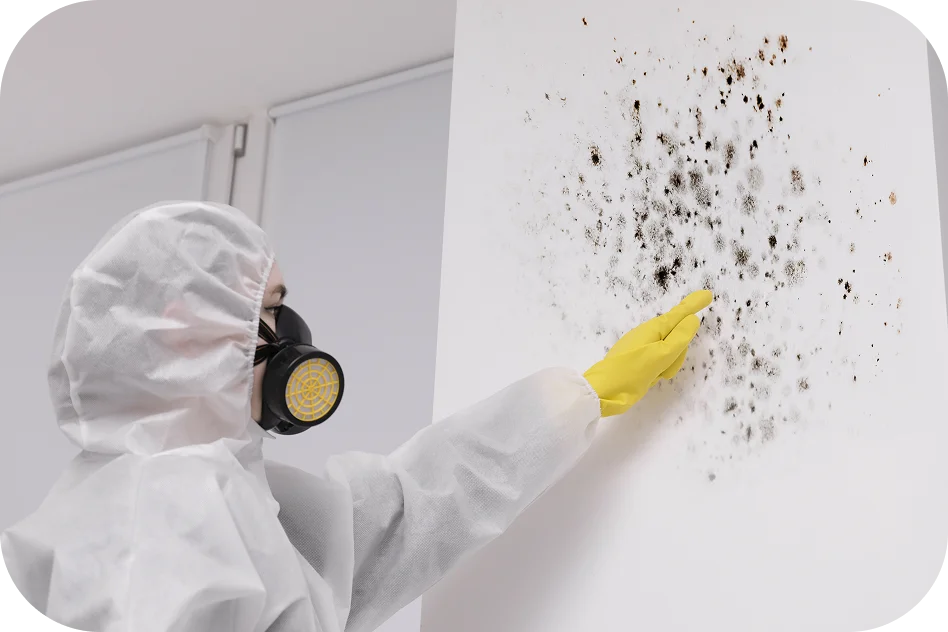

The health and well-being of our children are top priorities for all parents. We go to great lengths to ensure our babies’ environments are safe, nurturing, and harmful-free. An often-overlooked hazard in baby’s nurseries, however, is mold. Mold growth can have negative implications for your baby’s health. This blog post informs you of the importance of identifying and preventing mold in your child’s nursery.

Protecting Your Baby’s Health: Identifying and Preventing Mold
Even unseen dangers like mold should not be overlooked when it comes to your baby’s health. If left untreated, mold can lead to several health issues in babies, including allergies, respiratory problems, and even developmental issues in the long run.

Why is Mold a Problem?
Mold, a type of fungus, thrives in damp, warm environments and can be present in any part of your home. It reproduces through tiny spores that float in the air, which, when inhaled, can cause health problems. Infants, with their developing immune systems, are especially susceptible to mold-related issues.
The Centers for Disease Control and Prevention (CDC) warns about the possible health effects of mold exposure, including stuffy nose, wheezing, and skin and eye irritation. More severe reactions may occur in individuals with mold allergies or compromised immune systems.
Identifying Mold in Your Nursery
Identifying mold on time can prevent potential health problems for your baby. Here are a few signs to look out for:
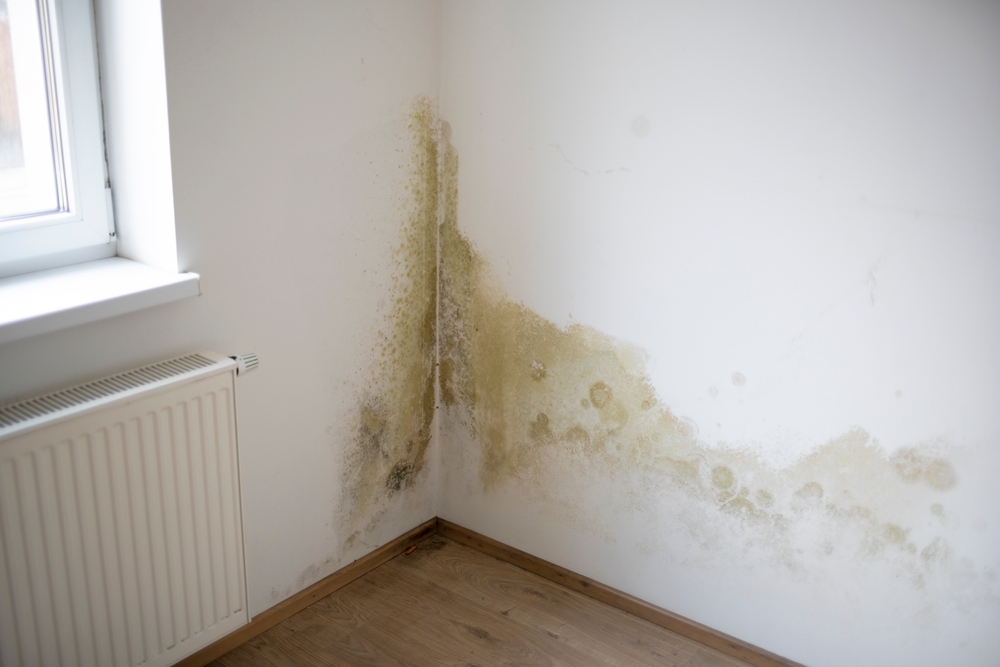
- Visible Growth: Mold can be different colors – white, black, green, or grey – and might appear as spots, streaks, or surface patches. It can often be found in corners, behind furniture, or near windows.
- Musty Odor: If your nursery has an unexplained, persistent musty smell, it might be due to mold growth.
- Health Symptoms: If your baby develops symptoms like coughing, wheezing, skin irritation, or unexplained allergies, it may be a sign of mold exposure.
- Dampness: Persistent dampness, peeling wallpaper, or window condensation can indicate mold-friendly conditions.
Tips for Preventing Mold Growth
Preventing mold is the best way to protect your baby’s health. Here are some tips:
- Control Humidity: Keeping the humidity level in your nursery between 30% and 50% can help prevent mold growth. You can monitor this with a hygrometer and use a dehumidifier if necessary.
- Ventilation: Ensure that the room is well-ventilated. Open windows when the weather allows, and use exhaust fans when necessary.
- Address Leaks: Fix any leaks promptly, as dampness encourages mold growth.
- Clean Regularly: Regular cleaning can prevent the buildup of mold spores. Use a mild detergent and avoid harsh chemicals.
- Choose Mold-Resistant Materials: For items like wallpaper, paint, and furniture, opt for mold-resistant materials.

In Conclusion
Your baby’s health and safety are paramount. Mold in a baby’s room can be a concerning issue, as it may affect the baby’s health. Identifying and preventing mold in your baby’s nursery is crucial to providing a healthy environment for them to grow and thrive.

Remember, prevention is vital when it comes to mold. Controlling moisture and maintaining a clean and well-ventilated environment can significantly reduce the risk of mold growth in your baby’s room. In case of a significant mold problem, it is advisable to seek help from professionals like our team at ETA Mold in Florida. We have the necessary expertise and equipment to address your mold concerns effectively. Remember, protecting your baby’s health begins at home, and ensuring a mold-free environment is essential in this journey.
FAQs About Mold And Baby’s Health
Why is mold a problem for babies’ health?
Mold can cause respiratory issues, allergies, and other serious health problems in babies due to their developing immune systems.
What are the symptoms of mold exposure in babies?
Common symptoms include coughing, wheezing, skin and eye irritation, and unexplained allergies. If your baby displays these symptoms, they may be exposed to mold.
How can I identify mold in my baby’s nursery?
Mold can appear as spots or patches in various colors like white, black, green, or gray. There may also be a persistent musty odor or visible dampness in the room.
What conditions promote mold growth in my baby’s nursery?
Mold thrives in warm, humid environments. Conditions like excessive moisture, leaks, or condensation on windows create an ideal setting for mold growth.
How can I prevent mold from growing in my baby’s nursery?
Keep humidity levels between 30% and 50%, ensure proper ventilation, repair water leaks promptly, and use mold-resistant materials for furniture and walls.
What humidity levels are recommended to prevent mold?
It is recommended to maintain humidity levels between 30% and 50% in your baby’s room to prevent mold growth.
What should I do if I find mold in my baby’s nursery?
If mold is visible, clean it carefully using appropriate products. If the problem is widespread, contact a professional for proper mold remediation.
Is it necessary to use a dehumidifier in my baby’s room?
If humidity levels exceed 50%, a dehumidifier can help maintain the proper levels and prevent mold growth.
What products are best for cleaning mold in my baby’s nursery?
It is best to use mild detergents and avoid harsh chemicals. Always ensure good ventilation while cleaning.
When should I seek professional help for mold problems in my baby’s nursery?
If mold covers a large area or cleaning efforts are ineffective, it is recommended to contact professionals who can address the problem safely and effectively.