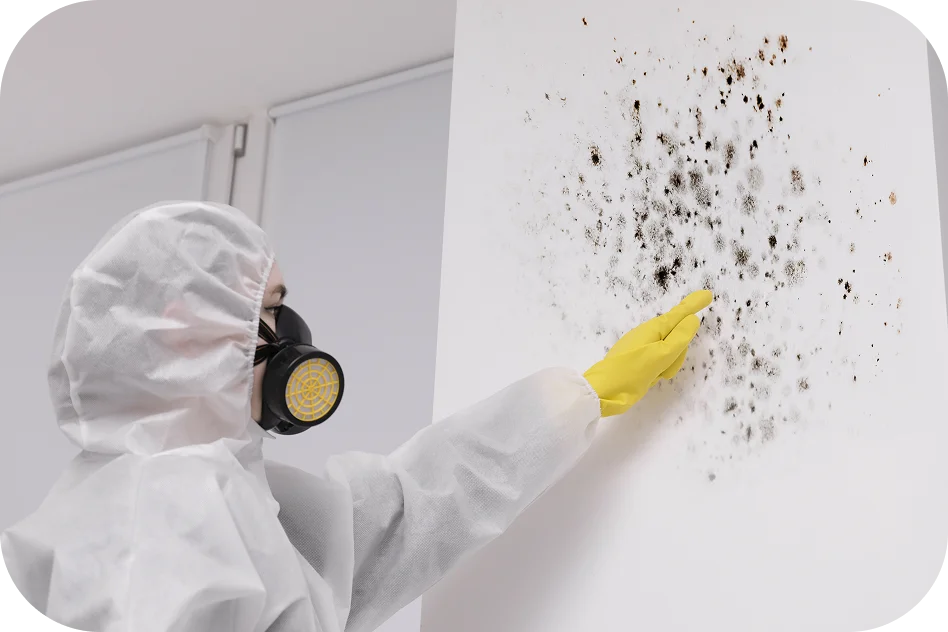

Many people worry when they see black mold in their homes. The dark color and unusual appearance often make it seem dangerous. One common question people ask is whether black mold is poisonous.
Black mold has gained attention because it is sometimes linked to health problems. Some reports claim it can cause serious illness, while others say it is mostly harmless. This can make it confusing for homeowners who discover mold in their house.
The truth is that black mold can be harmful in certain situations, but it is not always as dangerous as people believe. The health effects depend on the type of mold, the amount present, and how long someone is exposed to it.
Understanding what black mold is and how it affects health can help people make safer decisions. This article explains what black mold is, where it grows, whether it is poisonous, and what to do if you find it in your home.
What Is Black Mold
Black mold is a type of fungus that grows in damp and humid environments. The most well known type is called Stachybotrys chartarum. It appears dark green or black and often grows on materials that contain cellulose.
Cellulose is found in many building materials such as drywall, wood, paper, cardboard, and insulation. When these materials become wet for long periods, mold can start to grow.
Mold spreads by releasing tiny spores into the air. These spores travel through the air and land on surfaces. If the conditions are moist and warm, the spores can grow into new mold colonies.
Black mold is not always easy to identify just by looking at it. Many different mold species can appear dark in color. Only professional testing can confirm the exact type.
Why Mold Grows in Homes
Mold needs three main things to grow. These are moisture, organic material, and warmth.
Homes often provide perfect conditions for mold growth. Areas that are damp or poorly ventilated can allow mold to develop quickly.
Common causes of mold growth include:
- Water leaks from pipes
- Roof leaks
- Flooding
- Poor ventilation in bathrooms
- High humidity levels
- Wet carpets or furniture
Mold can begin growing within 24 to 48 hours after water damage occurs. That is why it is important to fix moisture problems quickly.
Even small areas of moisture can lead to mold growth if they are not properly cleaned and dried.
Is Black Mold Poisonous
Black mold itself is not technically a poison in the traditional sense. However, it can produce substances called mycotoxins. These are toxic compounds created by certain types of mold.
Mycotoxins can cause health problems when people are exposed to them for long periods. Exposure can occur through inhaling mold spores, touching mold contaminated surfaces, or sometimes through ingestion.
Even though black mold can produce mycotoxins, not every black mold colony produces them. The level of toxins can vary depending on the environment and the mold species.
For most healthy people, brief exposure to small amounts of mold is unlikely to cause severe illness. However, long term exposure or heavy mold growth can lead to health symptoms in some individuals. This is why black mold is considered potentially harmful rather than strictly poisonous.
How Black Mold Affects the Body
Mold exposure mainly affects the respiratory system. The tiny spores released by mold can be inhaled into the lungs.
When this happens, the immune system may react to the spores. This reaction can cause allergy-like symptoms.
Some people may experience stronger reactions than others. The severity often depends on how sensitive a person is to mold.
People with allergies, asthma, or weakened immune systems are usually more affected by mold exposure.
Common Symptoms of Black Mold Exposure
Exposure to black mold may lead to a variety of symptoms. These symptoms are often similar to allergy symptoms.
Common symptoms include:
- Sneezing
- Runny or stuffy nose
- Coughing
- Watery eyes
- Skin irritation
- Sore throat
- Headaches
These symptoms may appear when a person spends time in a mold contaminated environment and improves after leaving the area.
Some people may also feel tired or have difficulty concentrating if mold exposure continues for long periods.
Respiratory Problems and Mold
One of the biggest concerns with black mold is its effect on breathing.
People with asthma or other lung conditions may experience worsening symptoms when exposed to mold spores. Mold can irritate the airways and trigger asthma attacks.
In some cases, mold exposure may lead to chronic coughing or wheezing.
Long term exposure in poorly ventilated spaces may also contribute to respiratory infections in sensitive individuals. This is why mold problems in homes should not be ignored.
Who Is Most at Risk
Certain groups of people are more vulnerable to mold exposure.
These include:
- Infants and young children
- Older adults
- People with asthma
- People with allergies
- Individuals with weakened immune systems
- People with chronic lung disease
These groups may experience stronger reactions to mold spores compared to healthy adults.
For example, a child with asthma may have more frequent breathing problems if exposed to mold in the home.
Because of this increased risk, mold removal is especially important in homes where vulnerable individuals live.
Can Black Mold Cause Serious Illness
Serious illness from black mold is uncommon but possible in rare cases.
Most health effects related to mold involve allergic reactions or respiratory irritation. However, heavy mold exposure over long periods may contribute to more severe health problems.
In rare situations, people with very weak immune systems may develop fungal infections.
There have also been reports linking severe mold exposure to lung inflammation in certain cases. While these situations are not common, they highlight the importance of addressing mold problems early.
Signs You May Have Black Mold in Your Home
Black mold can grow in hidden areas, which means it may not always be visible.
However, there are some signs that may indicate a mold problem.
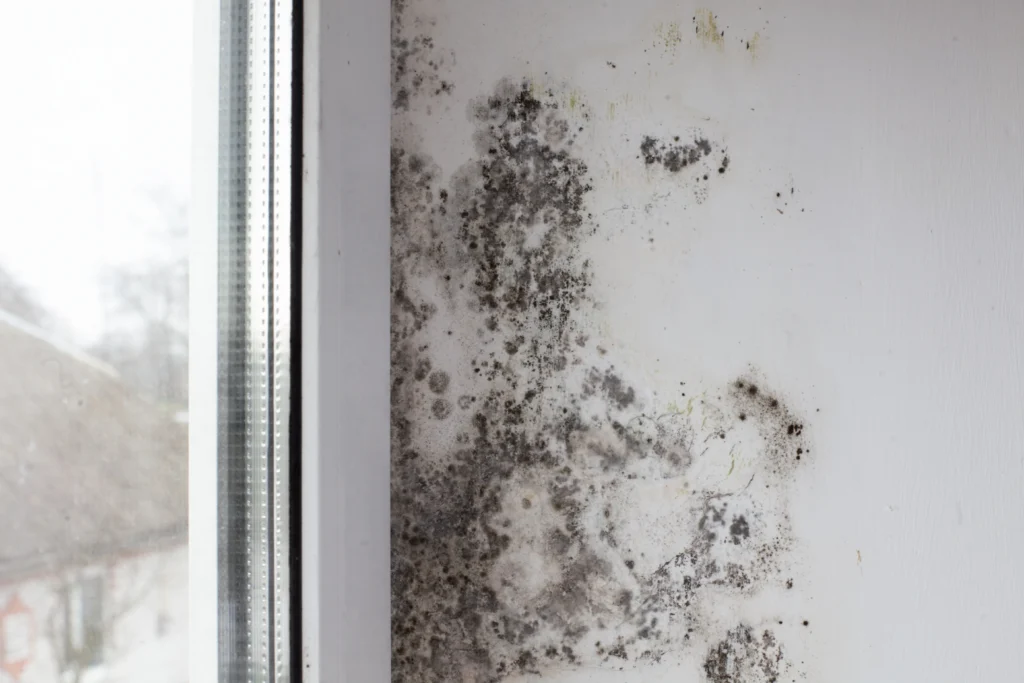
A strong musty smell is often the first sign of mold growth. Mold also tends to appear as dark or greenish patches on walls, ceilings, or other surfaces.
Water stains or discoloration on walls can also suggest moisture problems that may lead to mold growth. Peeling paint, bubbling wallpaper, or warped drywall may also signal hidden mold behind surfaces.
If any of these signs appear, it is important to investigate the cause.
Where Black Mold Commonly Grows
Mold prefers areas with high moisture levels.
Some of the most common places for mold growth include:
- Bathrooms
- Basements
- Kitchens
- Laundry rooms
- Attics
- Areas around leaking pipes
- Inside walls after water damage
Mold can also grow under carpets, behind drywall, and inside air conditioning systems.
Because mold can hide in these areas, the problem may become large before it is noticed.
How to Remove Black Mold Safely
Small areas of mold can often be cleaned safely with the right precautions.
First, the source of moisture must be fixed. Without solving the moisture problem, mold will likely return.
For small mold patches, surfaces can be cleaned using soap and water or a household mold cleaner. It is important to wear gloves and a mask when cleaning mold to reduce exposure to spores.
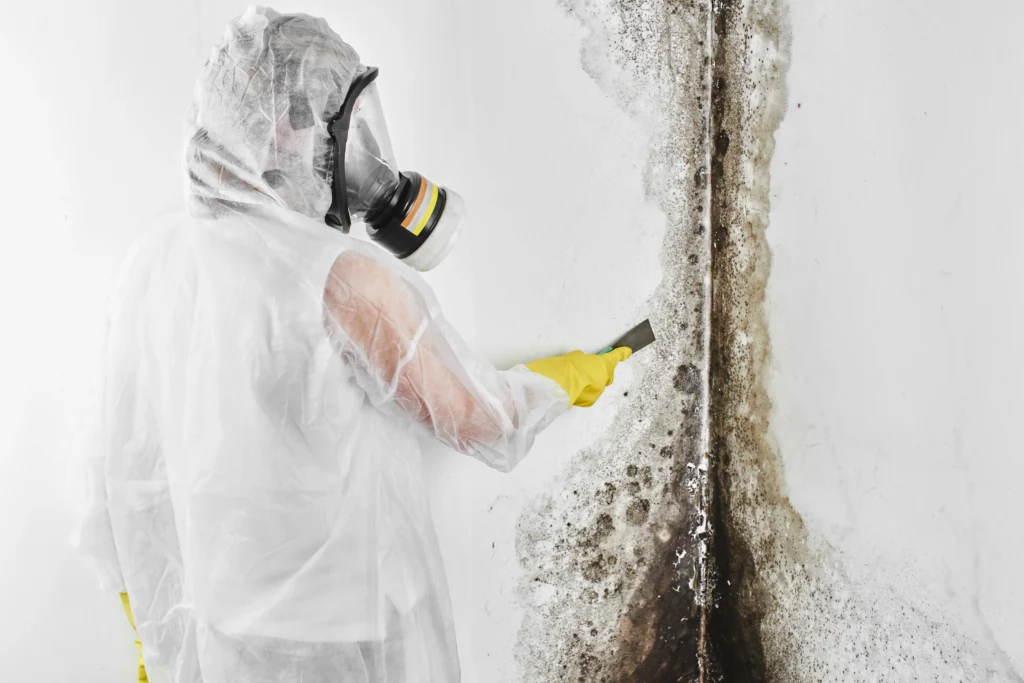
Proper ventilation should also be used during cleaning. If the mold covers a large area, professional mold removal may be necessary. Experts have specialized equipment to safely remove mold and prevent it from spreading.
Preventing Mold Growth in the Home
Preventing mold is usually easier than removing it later. The most important step is controlling moisture levels.
Some ways to prevent mold include:
- Fixing leaks quickly
- Using exhaust fans in bathrooms and kitchens
- Keeping indoor humidity below 50 percent
- Using a dehumidifier in damp areas
- Drying wet materials within 24 hours
- Ensuring proper ventilation
Regular home maintenance can greatly reduce the risk of mold growth.
Keeping areas clean and dry helps prevent mold from developing.
When to Call a Professional
In some situations, professional help is recommended.
Large mold infestations often require special equipment and protective gear. Professionals can also test mold samples to identify the species.
You may want to call a professional if:
- Mold covers a large area
- Mold keeps returning after cleaning
- There is mold after flooding or water damage
- Someone in the home has severe health symptoms
Professional mold removal services can help ensure the problem is handled safely and completely.
Myths About Black Mold
There are many myths surrounding black mold. Some people believe all black mold is deadly, while others think it is harmless.
The reality lies somewhere in between.
Not all black colored mold is toxic. Many mold species look dark but do not produce harmful toxins. However, mold should still be taken seriously because it can affect indoor air quality and cause health symptoms.
Another myth is that mold can only grow in very dirty homes. In fact, mold can grow in any building where moisture is present. Even clean homes can develop mold if there are leaks or humidity problems. Understanding these facts helps people respond to mold issues more effectively.
Why Mold Testing Is Sometimes Needed
In some cases, mold testing may help identify the problem.
Professional mold testing can determine the type of mold present and the level of spores in the air.
Testing may be helpful if:
- The mold source cannot be located
- People in the home have unexplained symptoms
- There has been major water damage
- There is suspected hidden mold
While testing is not always necessary, it can provide useful information in complicated situations.
Long Term Effects of Mold Exposure
Long term exposure to mold may lead to ongoing respiratory irritation in some people.
People who live in mold contaminated environments for months or years may develop persistent symptoms such as coughing or sinus problems.
However, once the mold problem is removed, many people notice their symptoms improve. The key is identifying and removing mold sources as soon as possible. Ignoring mold problems for long periods can allow them to grow larger and harder to remove.
FAQs About Black Mold Toxicity
1. Can black mold spread from one room to another?
Yes, mold spores can travel through the air and spread to other parts of the home. This can happen through air vents, open doors, or airflow from fans and air conditioners.
2. Does sunlight kill black mold?
Direct sunlight can slow mold growth because mold prefers dark and damp environments. However, sunlight alone usually does not completely remove mold once it has developed.
3. Can black mold grow in new homes?
Yes, even new houses can develop mold if there are moisture problems such as plumbing leaks, poor ventilation, or high indoor humidity.
4. Can air purifiers help reduce mold spores?
Some air purifiers with HEPA filters can help capture mold spores in the air. However, they do not remove mold that is already growing on surfaces.
5. Can black mold return after it has been cleaned?
Yes, mold can return if the source of moisture is not fixed. Proper drying and moisture control are necessary to prevent regrowth.
6. Is it safe to stay in a house that has black mold?
It depends on the amount of mold and the health of the people living there. Small mold areas may be manageable, but large infestations should be addressed quickly.
7. Can black mold grow during winter?
Yes, mold can grow during winter if there is indoor moisture from condensation, humidifiers, or poor ventilation.
8. Can black mold affect the smell of a house permanently?
Mold can create persistent musty odors, but the smell usually disappears once the mold is properly removed and the area is dried.
9. Does homeowners insurance cover mold removal?
Sometimes it does, but usually only if the mold was caused by a covered event such as sudden water damage from a burst pipe. Coverage policies vary.
10. How long does professional mold removal usually take?
The time varies depending on the size of the infestation. Small jobs may take one day, while larger mold remediation projects can take several days.
Conclusion
Black mold is a type of fungus that grows in damp environments. While it is not technically a poison, it can produce substances called mycotoxins that may affect health in certain situations.
Exposure to mold often causes symptoms similar to allergies, including coughing, sneezing, and eye irritation. People with asthma, allergies, or weakened immune systems may be more sensitive to mold exposure.
Serious illness from black mold is uncommon, but long term exposure to heavy mold growth can lead to health problems for some individuals.
Mold grows when moisture is present, so controlling humidity and fixing leaks are important steps in prevention.
If black mold appears in the home, small areas may be cleaned carefully. Larger infestations may require professional removal.
By understanding how mold grows and how it affects health, homeowners can take steps to keep their indoor environment safe and healthy.