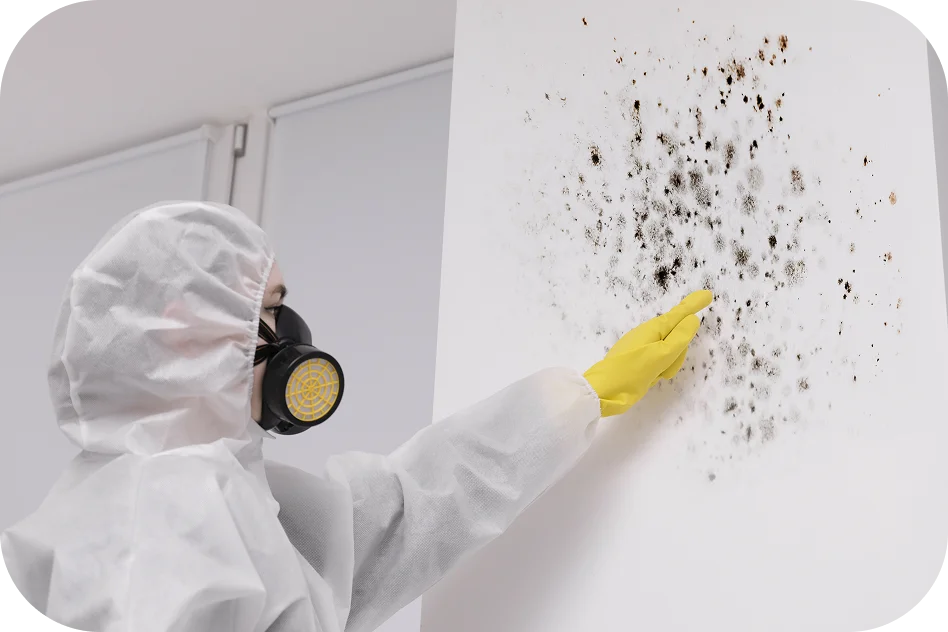

Springtime in Florida brings warmer temperatures and a fresh start, making it the perfect time to focus on improving your home’s indoor air quality. As a Florida resident, you’re likely no stranger to high humidity and mold issues, which can wreak havoc on your health and home if not addressed.
This comprehensive guide will walk you through the essential spring cleaning steps, focusing on better indoor air quality, addressing humidity issues, and selecting the right cleaning products for your Florida home.
What is a Spring Cleaning? And Why Should It Be Helpful?

Spring cleaning is the practice of thoroughly cleaning your home during the spring season. This deep cleaning process involves decluttering, organizing, and sanitizing various areas of your home, targeting spaces that may have been neglected during routine cleanings.
Spring cleaning can be helpful to you for several reasons:
- Improved Indoor Air Quality: During winter months, homes are often sealed off to conserve heat, leading to a buildup of dust, allergens, and pollutants. Spring cleaning helps remove these contaminants, resulting in better indoor air quality and a healthier living environment.
- Reduced Allergy Symptoms: Thoroughly cleaning your home can help reduce allergens, such as dust mites, pet dander, and mold spores. This can lead to decreased allergy symptoms for those who suffer from seasonal allergies.
- Enhanced Mood and Mental Health: A clean, organized home can positively impact your mental well-being. Clutter and disorganization can contribute to stress and anxiety, whereas a clean environment can promote relaxation and a sense of accomplishment.
- Increased Productivity: A decluttered and organized home can improve your focus and productivity by reducing distractions and making it easier to find and access items when needed.
- Prolonged Lifespan of Household Items: Regular maintenance and deep cleaning can prolong the lifespan of household items, such as appliances, furniture, and HVAC systems. Proper care can help prevent premature wear and tear, saving you money in the long run.
- Detection of Potential Issues: Spring cleaning allows you to identify and address any potential issues in your home, such as water leaks, pest infestations, or structural damage. Catching these problems on time can help prevent more significant, costly repairs later on.
Overall, spring cleaning offers numerous benefits for your health, well-being, and the overall upkeep of your home. By dedicating time and effort to this annual tradition, you can create a cleaner, safer, and more enjoyable living space.
Spring Cleaning for Better Indoor Air Quality: 5 Essential Steps
Step 1: Assess Your Home for Mold
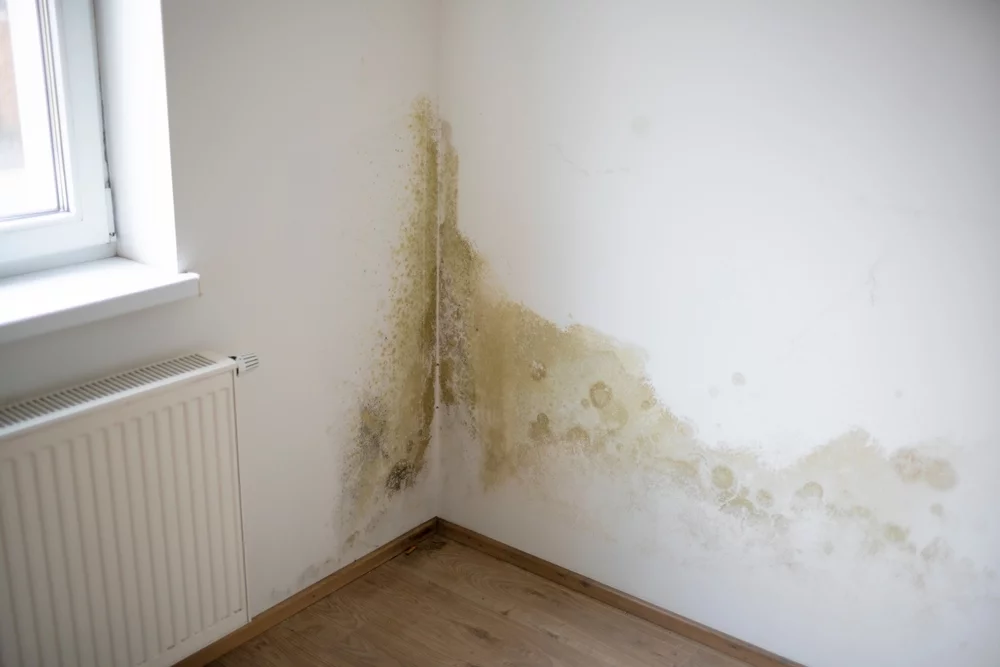
Better indoor air quality starts with identifying potential problems in your home. Mold thrives in damp environments, and Florida’s humid climate can create ideal conditions for mold growth. Conduct a thorough inspection of your home, paying close attention to the following mold-prone areas:
- Bathrooms
- Kitchens
- Laundry rooms
- Basements and crawlspaces
- Around windows and doors
If you notice any signs of mold, such as a musty smell, visible mold growth, or water stains, contact ETA Mold for a professional mold inspection service.

Step 2: Address Humidity Issues for Better Indoor Air Quality
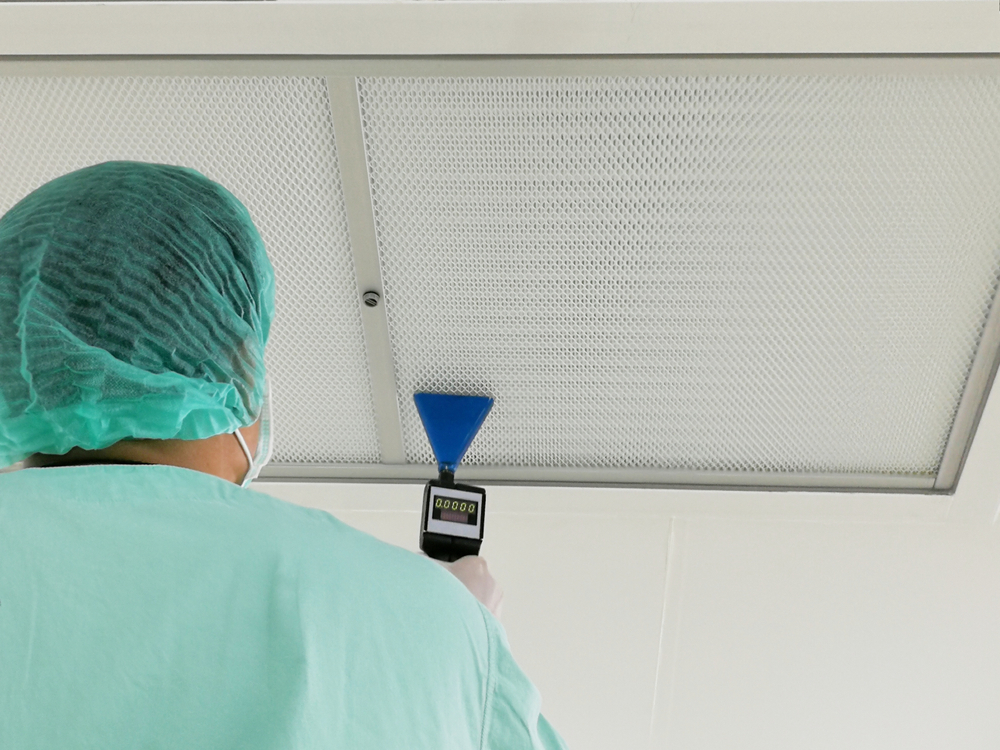
High humidity levels can contribute to mold growth and poor indoor air quality. To maintain better indoor air quality in your Florida home, it’s crucial to manage humidity levels by taking these steps:
- Use a dehumidifier: Invest in a high-quality dehumidifier to help reduce moisture levels in your home. This will make mold growth harder and improve your overall air quality.
- Maintain proper ventilation: Ensure proper ventilation in high-moisture areas like bathrooms, kitchens, and laundry rooms. Use exhaust fans and keep windows open when possible to allow fresh air to circulate.
- Fix leaks: Repair any leaks in your home’s plumbing, roof, or foundation to prevent excess moisture from entering your living spaces.
- Insulate windows and doors: Proper insulation can help reduce condensation on windows and doors, which can contribute to mold growth.
Step 3: Deep Clean Your Home to Improve Air Quality
A thorough spring cleaning is crucial for better indoor air quality. Start by decluttering your home, as excess clutter can collect dust and allergens. Once you’ve decluttered, follow these deep cleaning tips to improve your home’s air quality:
- Vacuum regularly: Use a vacuum to remove dust, pollen, and other allergens from your home. Be sure to vacuum carpets, rugs, and upholstery frequently.
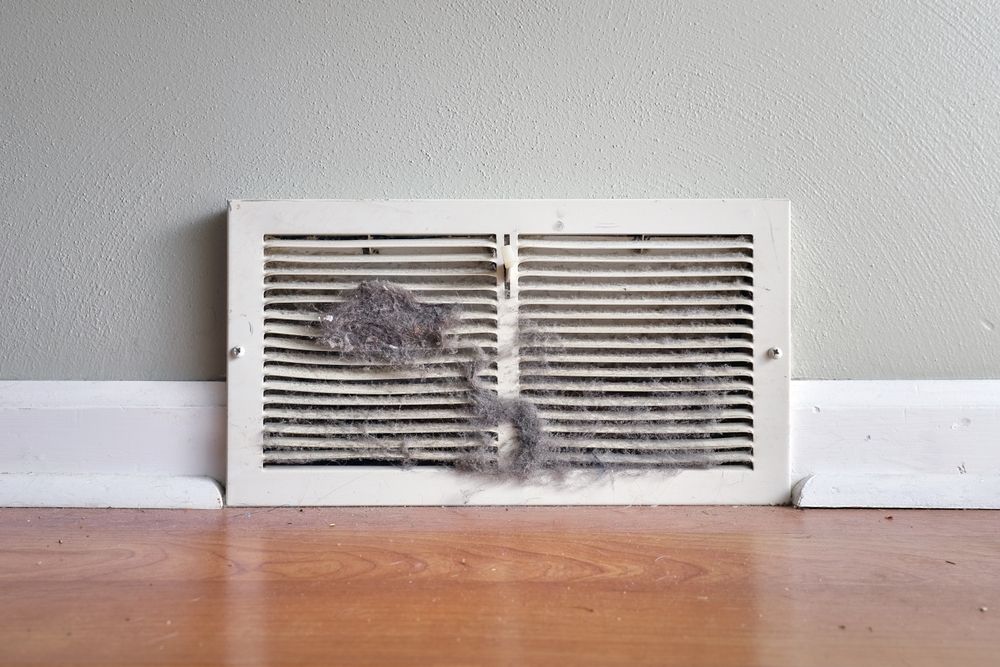
- Clean your air ducts: Over time, dust and allergens can accumulate in your air ducts. Hire a professional to clean your ducts and improve your home’s air circulation.
- Wash bedding and curtains: Dust mites and allergens can build up in bedding and curtains. Wash these items in hot water to kill dust mites and remove allergens.
- Clean your HVAC system: Regular HVAC system maintenance is essential for better indoor air quality. Replace filters, clean coils, and schedule annual maintenance with a professional.
Step 4: Choose the Right Cleaning Products for Florida Homes
Selecting the appropriate cleaning products is key to maintaining better indoor air quality in your Florida home. Many traditional cleaning products contain harsh chemicals that can cause respiratory issues and contribute to indoor air pollution. When choosing cleaning products, keep the following tips in mind:
- Opt for natural products: Choose cleaning products from natural ingredients, such as vinegar, baking soda, and lemon juice. These eco-friendly alternatives can effectively clean your home without releasing harmful chemicals into the air.
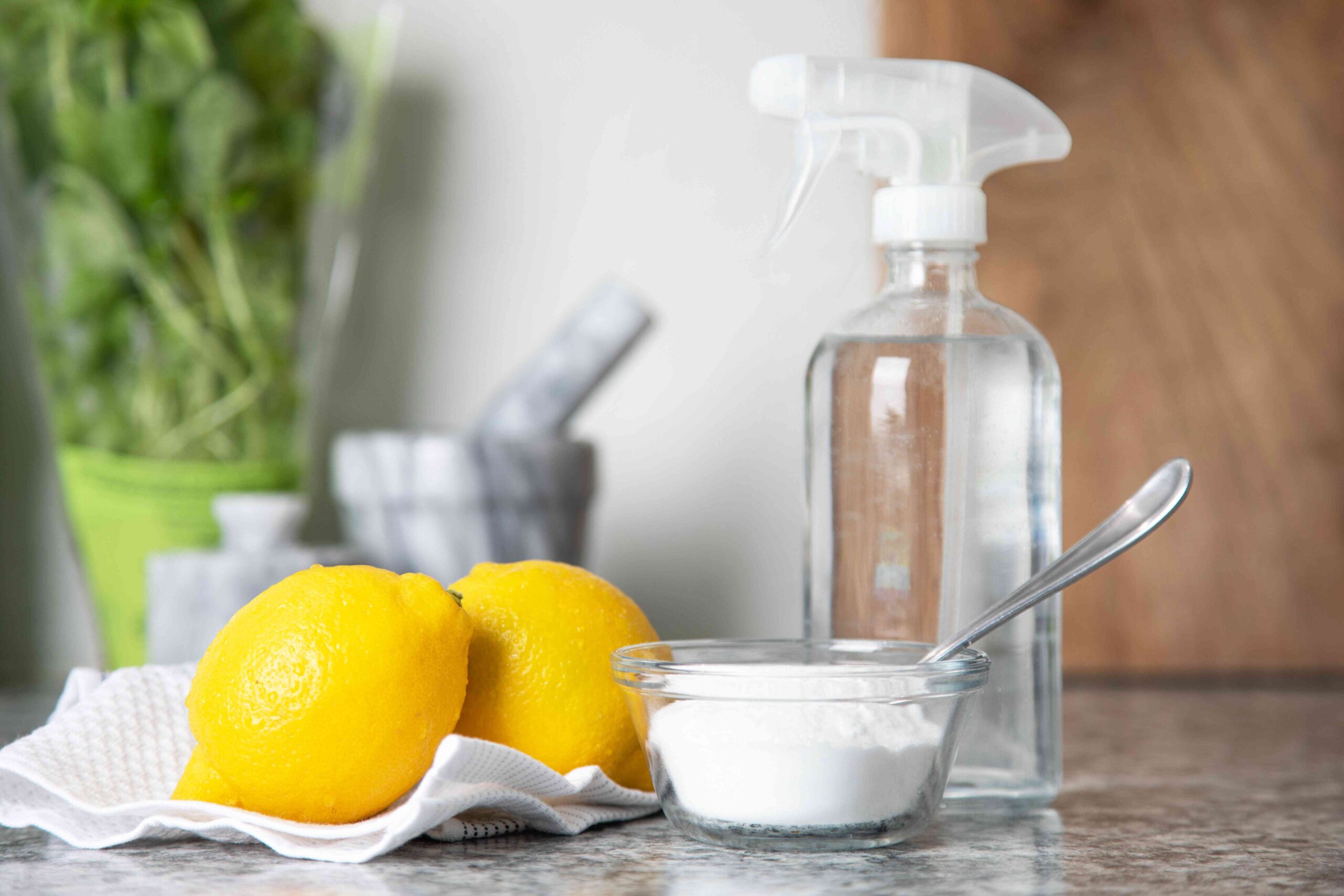
- Avoid products with strong fragrances: Scented cleaning products can emit volatile organic compounds (VOCs) that contribute to poor indoor air quality. Opt for fragrance-free products or those with mild, natural scents.
- Look for low-VOC or VOC-free products: When purchasing cleaning products, search for those labeled as low-VOC or VOC-free to minimize the release of harmful compounds into your home’s air.
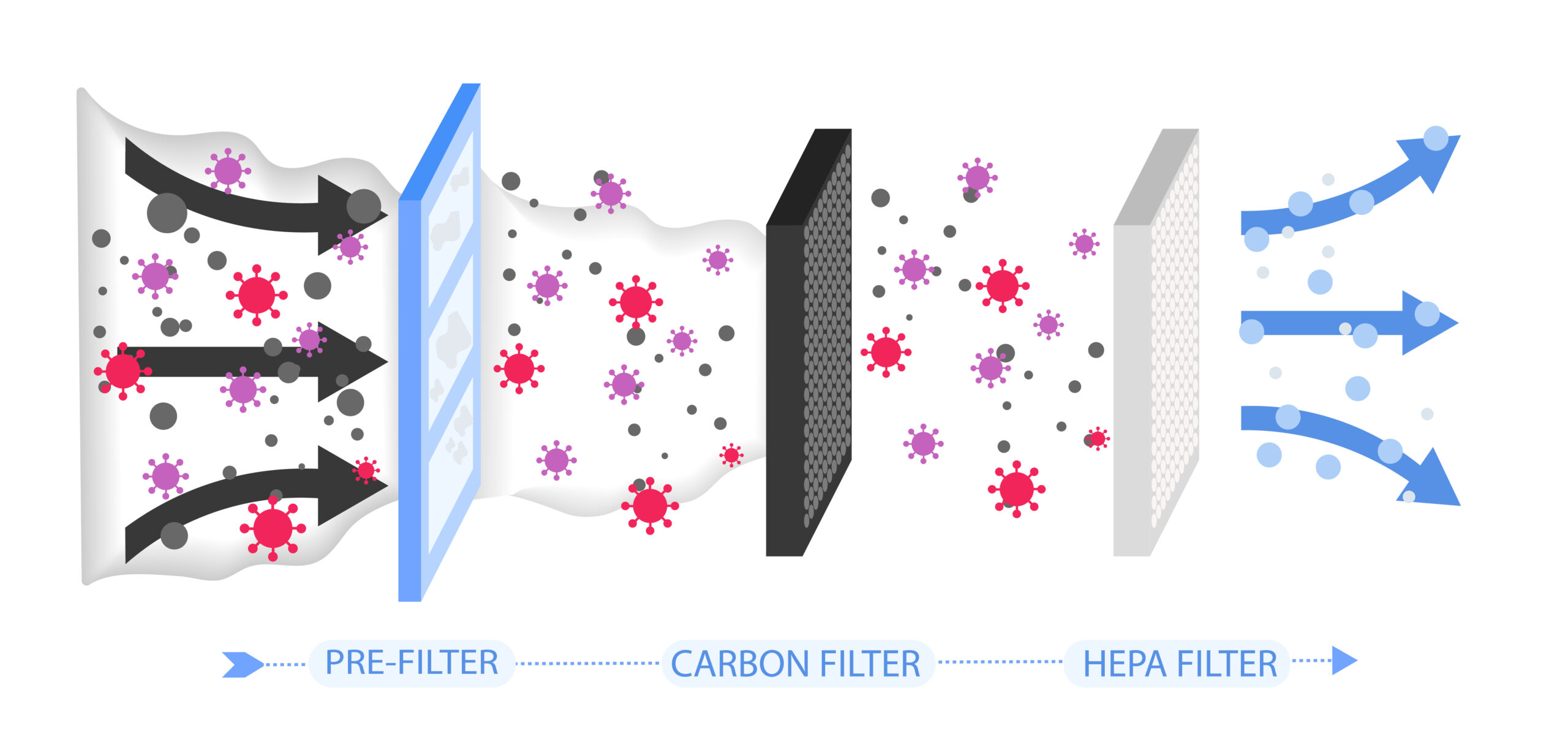
- Use HEPA filters in vacuums and air purifiers: HEPA filters can effectively trap allergens and pollutants, helping to maintain better indoor air quality.
Step 5: Incorporate Plants for Better Indoor Air Quality
One of the most effective natural methods to address indoor air pollution, as per NASA’s Clean Air Study, is using houseplants. Houseplants not only have a calming or aesthetic effect but can also eliminate harmful substances from the air and improve indoor air quality.
Many plants can naturally purify the air by removing harmful pollutants and releasing oxygen. Some air-purifying plants suitable for Florida homes include:
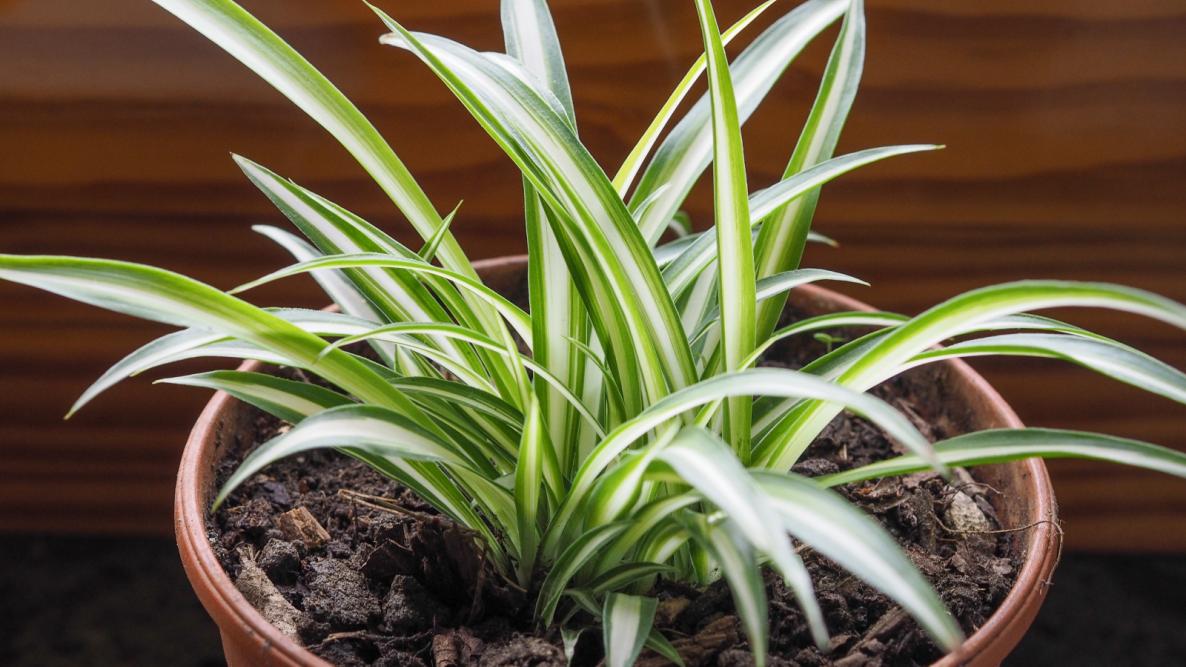
- Spider plants: Known for their ability to remove formaldehyde and other pollutants, spider plants are easy to care for and thrive in indirect sunlight.
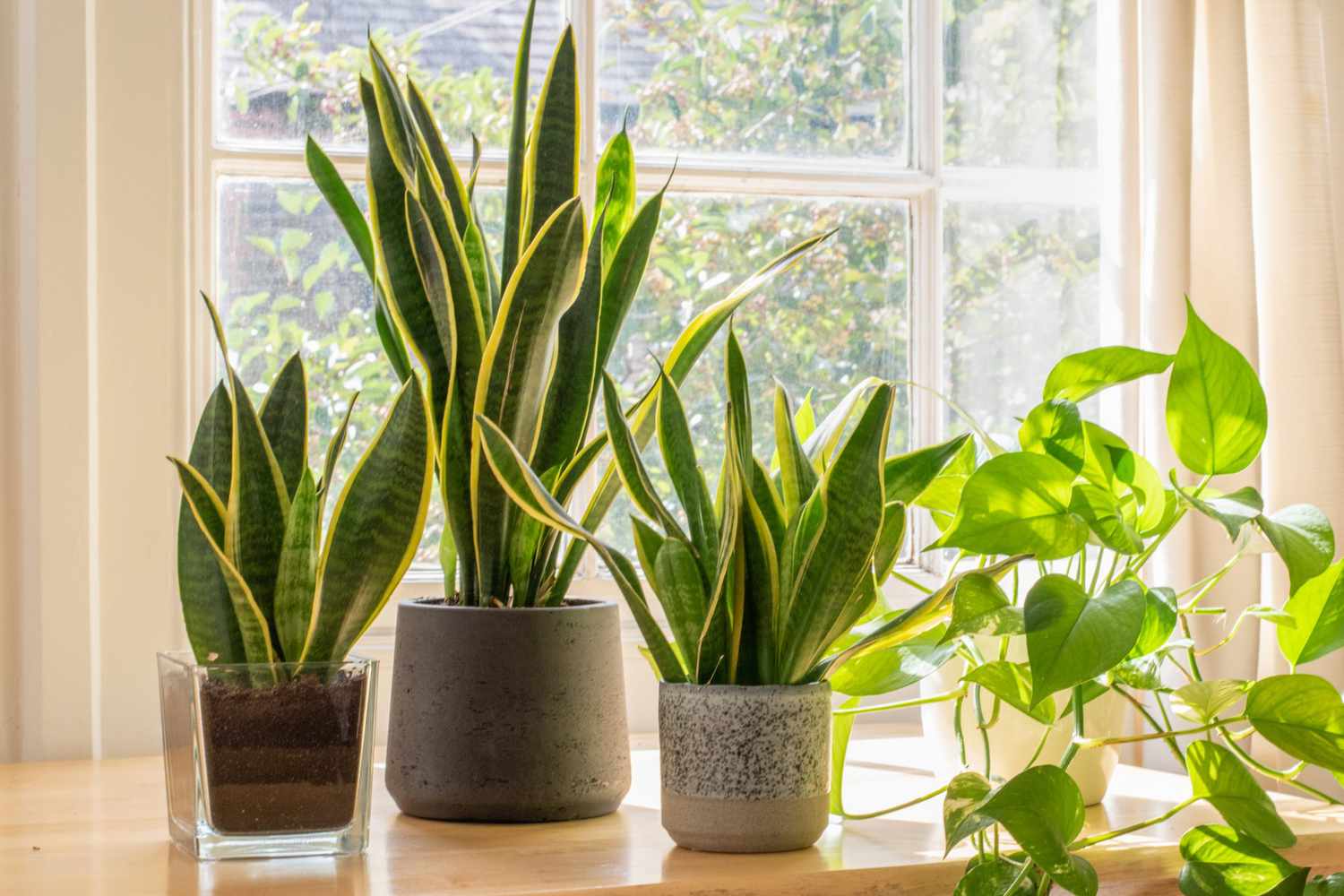
- Snake plants: These low-maintenance plants can filter benzene, formaldehyde, and other harmful chemicals while releasing oxygen at night.
- Peace lilies: With their elegant appearance, they effectively remove VOCs and other pollutants from the air.

- Boston ferns: These lush, humidity-loving plants can help remove pollutants and improve your home’s humidity levels.
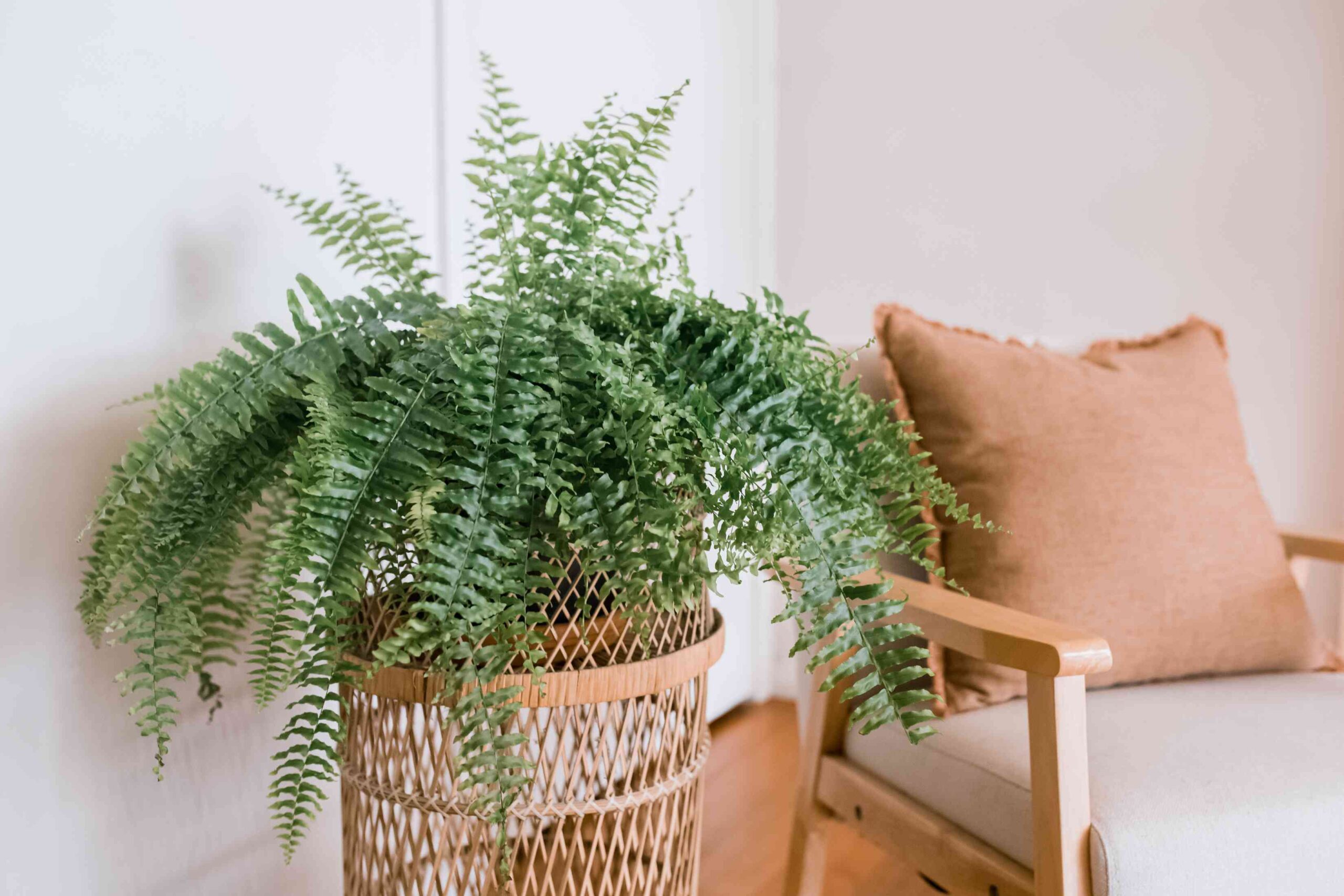
Incorporating these houseplants into your home can enhance your living space while working towards better indoor air quality.
Read this article to learn more about NASA’s favorite plants for better indoor air quality.
Conclusion
Spring cleaning is essential to maintaining a healthy home environment, especially for Florida residents. Following this comprehensive guide, you can address humidity issues, target mold-prone areas, and select the appropriate cleaning products to improve your home’s indoor air quality.
By taking these steps, you’ll create a cleaner and more comfortable living space and protect your family’s health by ensuring better indoor air quality.
FAQs for Spring Cleaning and Indoor Air Quality in Florida
What is spring cleaning and how does it help improve indoor air quality?
Spring cleaning is a thorough deep-cleaning process that removes dust, allergens, and pollutants that accumulate during winter, helping to improve the air quality inside your home.
Why is indoor air quality especially important for Florida residents?
Florida’s humid climate promotes mold growth and high moisture levels, which can negatively impact indoor air quality and lead to health problems if not managed properly.
How can I check if I have mold in my home?
Look for visible mold spots, water stains, or a musty odor in moisture-prone areas like bathrooms, kitchens, laundry rooms, basements, and near windows or doors.
What are effective ways to control humidity in a Florida home?
Use a dehumidifier, maintain proper ventilation with exhaust fans, fix any leaks, and insulate windows and doors to reduce moisture buildup.
Which cleaning products are best for maintaining healthy indoor air quality?
Opt for natural or low-VOC (volatile organic compounds) cleaning products that avoid harsh chemicals and strong fragrances to reduce indoor air pollution.
How often should I clean or replace HVAC filters to improve air quality?
Filters should be checked monthly and replaced at least every 3 months, or more frequently if you have pets, allergies, or high dust levels.
What are the benefits of incorporating plants into my home for better air quality?
Certain houseplants naturally filter toxins from the air, increase oxygen levels, and can help regulate humidity, creating a healthier indoor environment.
Which houseplants are recommended for Florida homes to improve air quality?
Spider plants, snake plants, peace lilies, and Boston ferns are popular air-purifying plants that thrive well in Florida’s climate.
How does decluttering during spring cleaning affect indoor air quality?
Removing clutter reduces dust accumulation and makes it easier to clean surfaces, which helps lower allergens and improves overall air quality.
When is the best time to perform spring cleaning to optimize indoor air quality?
Springtime is ideal because the weather is warmer, allowing for better ventilation and airing out your home after months of closed windows during cooler seasons.