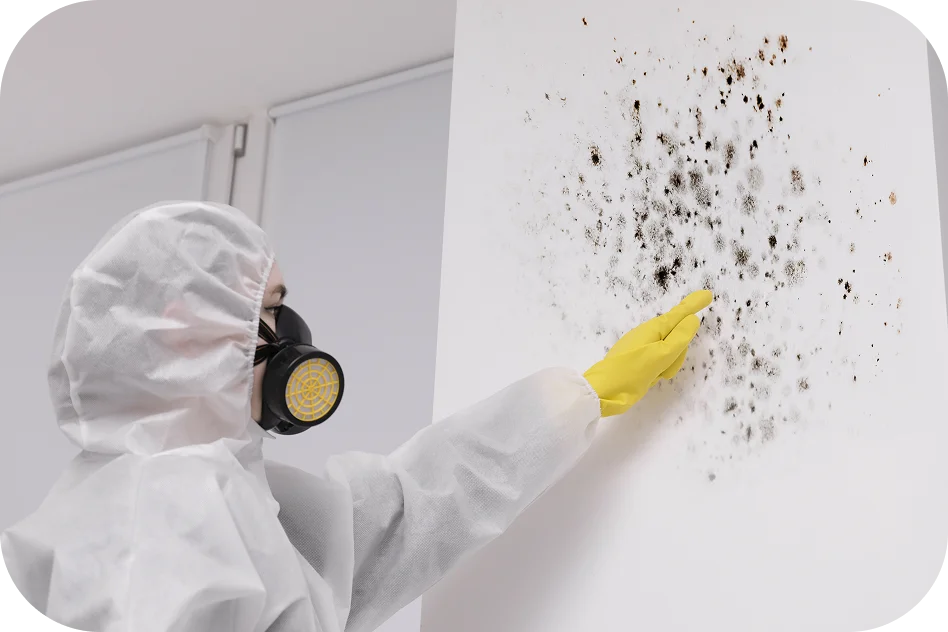

Asbestos is a term that often triggers an instant feeling of unease, and for good reason. This seemingly innocuous mineral was a staple in the construction industry for decades, lauded for its heat resistance and insulating properties. But beneath this facade of utility lurks a menace that’s particularly concerning in older structures. Here at ETA Mold, we’re committed to helping you understand the hidden risks of asbestos and guide you through safeguarding your older spaces.
What Is Asbestos and Why Was It Widely Used?
Asbestos is a group of naturally occurring fibrous minerals with high tensile strength, heat resistance, and insulating capabilities. Its qualities made it highly sought after in various construction applications, from roofing materials to pipe insulation.
- Heat Resistance: Asbestos was used in materials designed to resist fires.
- Durability: The fibers are incredibly strong and can withstand a lot of wear and tear.
- Cost-Effectiveness: It was a less expensive option compared to other materials.
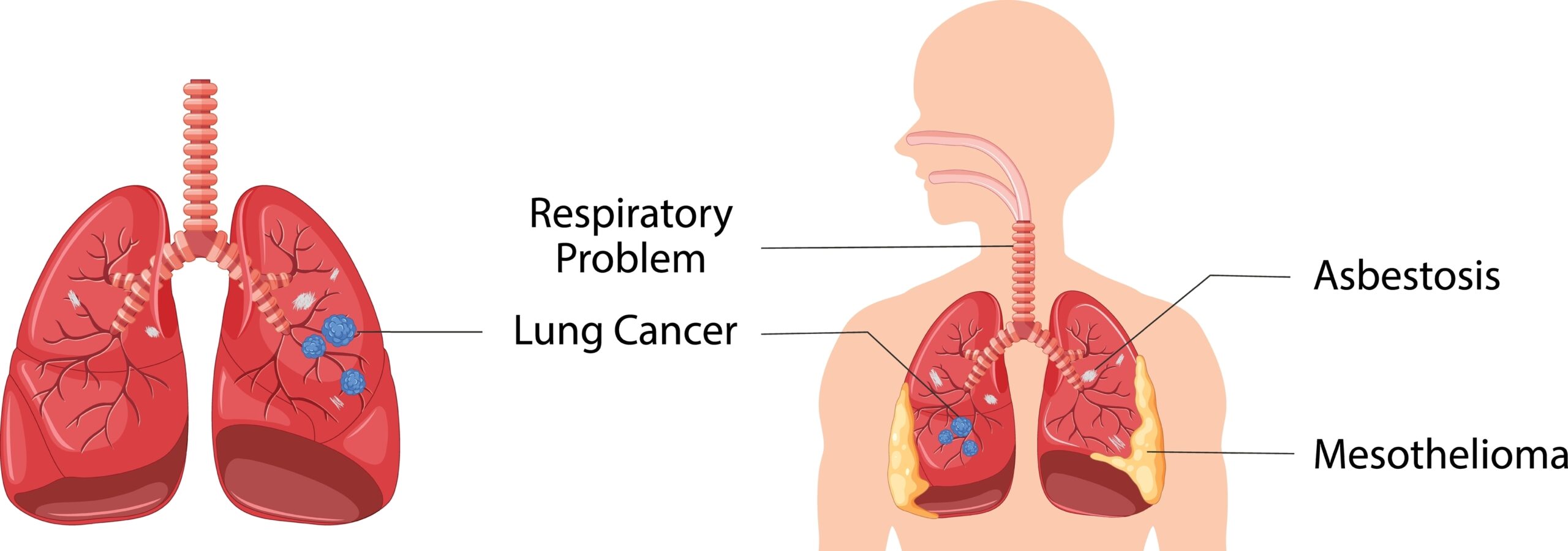
However, scientists discovered by the late 20th century that inhaling asbestos fibers could lead to severe health issues, such as lung cancer, asbestosis, and mesothelioma. The Environmental Protection Agency (EPA) and the World Health Organization (WHO) have extensive data on the risks associated with asbestos exposure.
Asbestos: A Threat in Older Spaces
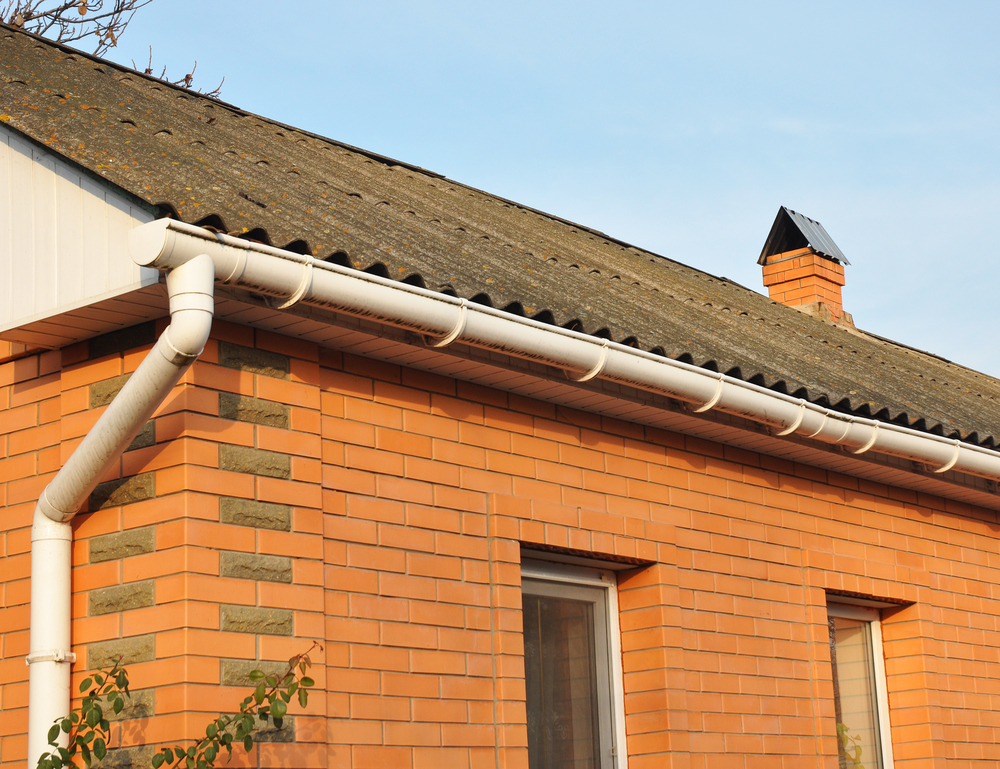
Older buildings constructed before the 1980s are most susceptible to containing asbestos. It was frequently used in:
- Ceiling and floor tiles
- Insulation materials
- Textured paints
- Siding materials
Many old residential homes, office buildings, schools, and factories might still harbor this silent threat.
Asbestos Health Risks
The health risks posed by asbestos should not be underestimated. According to OSHA, long-term exposure can lead to:
- Lung Cancer
- Asbestosis
- Pleural Disorders
- Mesothelioma
The risk depends on how much it is inhaled, how long ago the person is exposed and whether it has a smoking history. Smoking cigarettes, combined with asbestos exposure, increase the chances of developing lung cancer.
Asbestos Identification: The First Step in Safeguarding Older Spaces
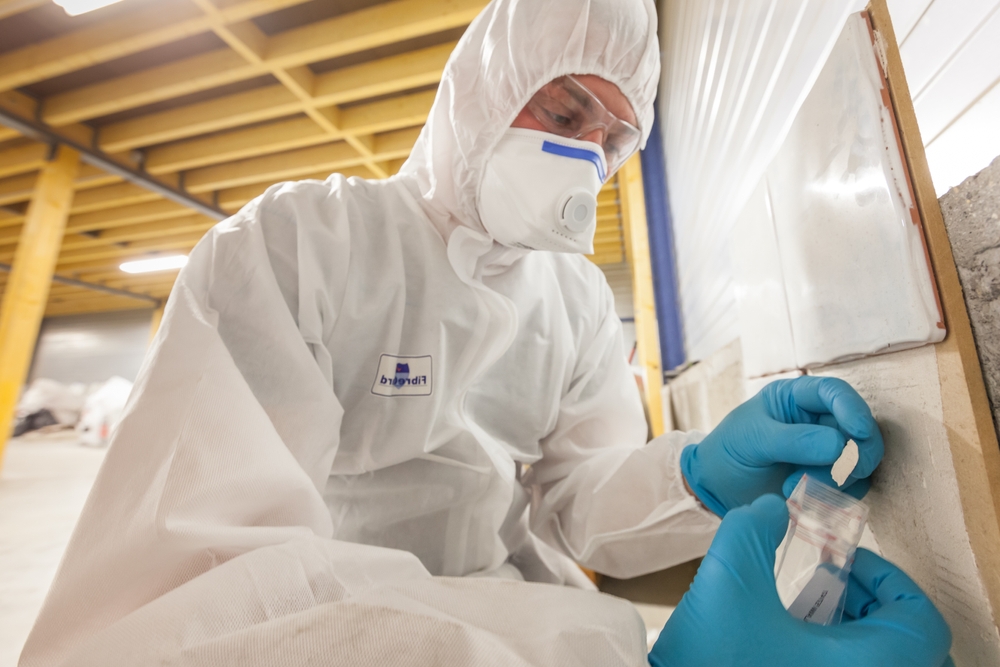
Identifying asbestos is not a DIY job. The fibers are microscopic and require specialized equipment and expertise for accurate detection. If you suspect your older space may contain asbestos, consult experts like ETA Mold for a thorough inspection.
Steps for Professional Asbestos Identification:
- Visual Inspection: An initial survey to spot areas most likely to contain asbestos.
- Sample Collection: Material samples are collected with extreme care to prevent fiber dispersion.
- Laboratory Testing: Accredited labs conduct tests to confirm the presence of asbestos.

How to Safeguard Older Spaces from Asbestos
Once asbestos is identified, taking immediate measures to safeguard your older spaces is crucial. Here are some options:
Removal
The most effective yet costly way to deal with asbestos is to have it removed entirely by professionals. Insufficient removal can be hazardous and should only be done by certified asbestos abatement contractors.
Encapsulation
Another option is to encapsulate the asbestos-containing materials, effectively sealing them off to prevent the release of fibers into the air.
Repair
Professionals can often repair minor damages without entirely removing the materials. This is a temporary solution and needs regular monitoring.
To best safeguard your space, consult an experienced company like ETA Mold to provide customized solutions based on your needs.
Final Thoughts: Awareness is Key
Asbestos remains a silent yet formidable threat in older spaces, posing significant health risks. Recognizing its presence and taking appropriate measures is essential for ensuring the well-being of occupants.
Investing in expert services for asbestos identification and reduction is not just about adhering to legal obligations but prioritizing human health and safety. For more information or to schedule a consultation, please contact us at ETA Mold.
Knowledge is power, and when it comes to asbestos, it’s also a lifesaver. This blog is intended for informational purposes only. Always consult with experts for accurate diagnosis and appropriate remediation.
FAQs About Asbestos
1. What is asbestos, and why was it used in construction?
Asbestos is a fibrous mineral known for its heat resistance and durability, which made it widely used in construction materials like insulation and tiles.
2. What health risks are associated with asbestos exposure?
Long-term exposure to asbestos can lead to severe health issues like lung cancer, asbestosis, and mesothelioma.
3. How can I identify asbestos in my older home?
Identifying asbestos requires professional inspection, including visual surveys, sample collection, and lab testing to confirm its presence.
4. What are the common places where asbestos is found in older buildings?
Asbestos is often found in ceiling and floor tiles, insulation materials, textured paints, and siding in buildings constructed before the 1980s.
5. Why is asbestos more dangerous in older buildings?
Older buildings may have deteriorating asbestos materials, which can release harmful fibers into the air when disturbed, increasing health risks.
6. How can I safely remove asbestos from my home?
Asbestos removal should be done by certified professionals to ensure safe handling and disposal of the materials, preventing exposure to dangerous fibers.
7. What is encapsulation, and how does it help with asbestos?
Encapsulation involves sealing asbestos-containing materials to prevent the release of fibers into the air, providing a safer alternative to removal.
8. What steps are involved in asbestos testing?
Asbestos testing includes a visual inspection, sample collection, and laboratory analysis to accurately determine the presence of asbestos in building materials.
9. What should I do if I suspect my home contains asbestos?
If you suspect asbestos in your home, it’s crucial to contact a professional asbestos abatement company to conduct a thorough inspection and recommend appropriate measures.
10. How can I protect my family from asbestos exposure?
The best way to protect your family is by identifying potential asbestos risks early, ensuring that proper safety measures are taken, and consulting professionals for abatement.