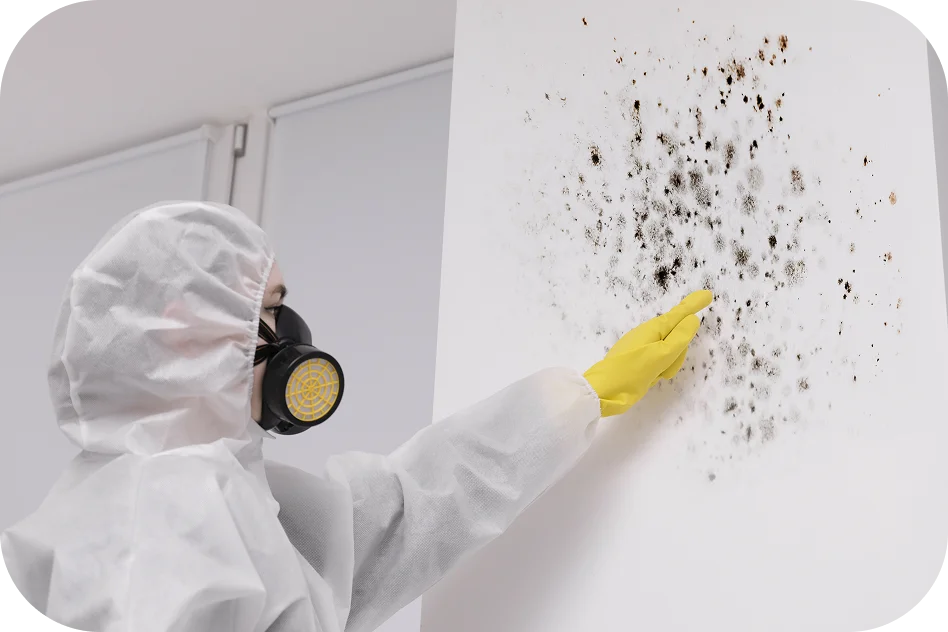

Mold on drywall is a common problem in many homes, especially in areas with high humidity or past water damage. It often starts as small dark spots but can quickly spread if not handled properly. Besides looking unpleasant, mold can damage your walls and may affect indoor air quality.
The good news is that in many cases, you can remove mold from drywall yourself if the affected area is small and manageable. The key is to act quickly, use the right cleaning methods, and prevent the mold from coming back.
This detailed guide will walk you through everything you need to know, from identifying mold to safely removing it and preventing future growth.
What Causes Mold on Drywall?
Drywall is particularly vulnerable to mold because it is porous and can absorb moisture easily. When moisture gets trapped, it creates the perfect environment for mold to grow.
Common causes include:
- Water leaks from pipes or roofs
- High humidity levels indoors
- Flooding or water damage
- Poor ventilation in bathrooms or kitchens
- Condensation on walls
Even a small amount of moisture over time can lead to mold growth.
How to Identify Mold on Drywall
Before removing mold, it is important to confirm that what you see is actually mold.
Common Signs of Mold:
- Black, green, or brown spots
- Musty or damp smell
- Peeling or bubbling paint
- Discoloration on walls
- Soft or crumbling drywall
If the drywall feels weak or damaged, it may need to be replaced instead of cleaned.
Is It Safe to Remove Mold Yourself?
You can remove mold yourself if:
- The affected area is smaller than about 10 square feet
- There is no major water damage
- You do not have allergies or respiratory conditions
You should consider professional help if:
- Mold covers a large area
- There is structural damage
- The mold keeps coming back
- You suspect hidden mold inside walls
Tools and Materials You Will Need
Before starting, gather all necessary supplies:
- Protective gloves
- Safety goggles
- Face mask or respirator
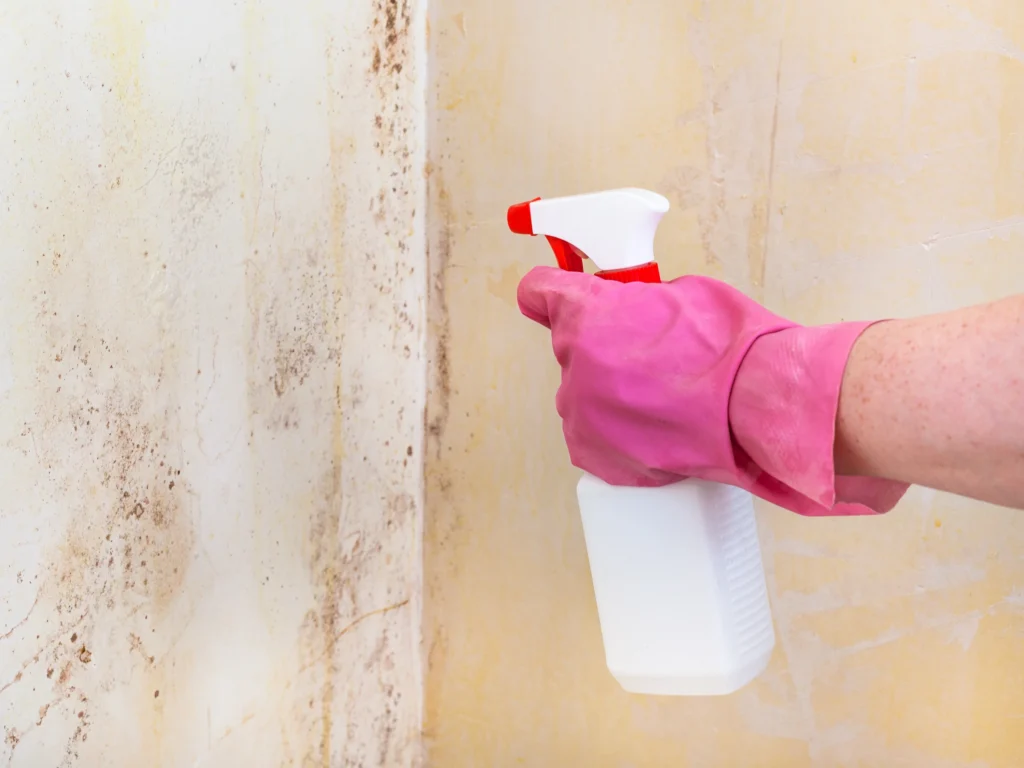
- Spray bottle
- Scrub brush or sponge
- Cleaning solution
- Plastic sheets or garbage bags
- Fan or dehumidifier
Proper preparation makes the process safer and more effective.
Step 1: Protect Yourself and the Area
Mold spores can spread easily, so safety is important.
- Wear gloves, goggles, and a mask
- Open windows for ventilation
- Seal off the area if possible
- Turn off HVAC systems to prevent spreading spores
This helps minimize exposure and prevents mold from spreading to other areas.
Step 2: Choose the Right Cleaning Solution
Several solutions can effectively remove mold from drywall.
1. Vinegar Solution
White vinegar is a natural and effective mold killer.
- Use undiluted white vinegar
- Spray directly onto the mold
- Let it sit for at least one hour
2. Baking Soda Solution
Baking soda helps clean and deodorize.
- Mix one teaspoon of baking soda with water
- Spray and scrub the area
3. Hydrogen Peroxide
Hydrogen peroxide is effective for killing mold spores.
- Use a 3 percent solution
- Spray and let it sit for 10 to 15 minutes
4. Commercial Mold Removers
Store bought products can be more powerful for stubborn mold.
Always follow the instructions on the label.
Step 3: Clean the Mold From the Surface
Once your solution is ready:
- Spray the affected area thoroughly
- Let the solution sit for the recommended time
- Gently scrub using a brush or sponge
- Avoid excessive force to prevent damaging drywall
Be patient and repeat if needed.
Step 4: Wipe and Dry the Area
After scrubbing:
- Wipe the area with a clean cloth
- Remove excess moisture
- Use fans or a dehumidifier to dry the wall completely
Drying is crucial because moisture encourages mold to return.
Step 5: Check for Damage
After cleaning, inspect the drywall carefully.
If you notice:
- Soft or crumbling sections
- Deep stains that will not go away
- Persistent odor
You may need to cut out and replace the affected drywall.
When to Replace Moldy Drywall
Cleaning is not always enough. Replacement is necessary if:
- Mold has penetrated deep into the drywall
- The drywall is swollen or weakened
- The mold keeps returning
Basic Replacement Steps:
- Cut out the damaged section
- Remove it carefully
- Install new drywall
- Seal and repaint
If you are unsure, hiring a professional is a safer option.

How to Prevent Mold From Coming Back
Removing mold is only part of the solution. Preventing it is just as important.
Control Moisture
Fix leaks immediately and keep humidity levels below 50 percent.
Improve Ventilation
Use exhaust fans in bathrooms and kitchens.
Use a Dehumidifier
This helps reduce moisture in damp areas.
Insulate Walls
Proper insulation prevents condensation.
Regular Cleaning
Keep walls dry and clean to reduce mold growth.
Best Areas to Watch for Mold Growth
Mold often appears in specific areas of the home:
- Bathrooms
- Basements
- Kitchens
- Laundry rooms
- Around windows
Checking these areas regularly can help catch mold early.
Common Mistakes to Avoid
Ignoring the Source of Moisture
Cleaning mold without fixing the cause will lead to recurrence.
Using Too Much Water
Excess moisture can worsen the problem.
Skipping Protective Gear
Exposure to mold can cause health issues.
Painting Over Mold
This does not remove mold and can make it worse.
Can You Paint Over Moldy Drywall?
Painting over mold is not recommended unless the mold has been completely removed.
If you plan to repaint:
- Clean and dry the surface thoroughly
- Use a mold resistant primer
- Apply high quality paint
This helps prevent future growth.
How Long Does Mold Removal Take?
The time required depends on the size of the affected area.
- Small patches can be cleaned in a few hours
- Larger areas may take a full day
- Drying time can take 24 to 48 hours
Proper drying is essential for success.
Health Risks of Mold Exposure
Mold exposure can affect some people more than others.
Possible symptoms include:
- Sneezing
- Coughing
- Skin irritation
- Eye irritation
- Breathing problems
If symptoms worsen, consult a healthcare professional.
Natural vs Chemical Mold Removal
Natural Methods
- Safer for indoor use
- Less harsh
- May require repeated applications
Chemical Methods
- Stronger and faster
- Effective for heavy mold
- May produce fumes
Choose based on the severity of the mold and your comfort level.
Signs That Drywall Mold Is Gone
After cleaning, look for:
- No visible stains
- No musty smell
- Dry and solid drywall
- No regrowth after several days
If mold returns, reassess the moisture source.

Should You Hire a Professional?
Professional mold removal is recommended if:
- The mold covers a large area
- There is hidden mold inside walls
- You have recurring mold problems
- You are unsure about handling it yourself
Professionals have specialized tools and expertise.
Cost of Drywall Mold Removal
Costs vary depending on the severity:
- DIY removal: low cost
- Professional removal: moderate to high cost
Investing in proper removal can prevent bigger problems later.
Frequently Asked Questions
Can mold on drywall go away on its own?
No, mold will not go away on its own. It will continue to grow as long as moisture is present.
Is it safe to sleep in a room with moldy drywall?
It is not recommended, especially for long periods, as mold can affect air quality and may cause health symptoms.
What is the fastest way to remove mold from drywall?
Using a proper cleaning solution like vinegar or hydrogen peroxide and drying the area quickly is the most effective approach.
Can I use bleach to clean mold from drywall?
Bleach is not ideal for drywall because it does not penetrate porous surfaces well and may not kill all mold spores.
How do I know if mold has spread inside the wall?
Signs include a persistent musty smell, recurring mold spots, or discoloration that keeps returning after cleaning.
Will a dehumidifier help prevent mold from coming back?
Yes, a dehumidifier can reduce moisture levels and help prevent mold growth.
Can mold damage drywall permanently?
Yes, if mold penetrates deeply, it can weaken drywall and require replacement.
How long does it take for mold to grow on drywall?
Mold can begin to grow within 24 to 48 hours if moisture is present.
Should I sand drywall to remove mold?
Sanding is not recommended as it can release mold spores into the air and spread contamination.
Do I need to repaint after removing mold?
Repainting is optional, but using a mold resistant primer can help protect the surface and improve appearance.
Conclusion
Removing mold from drywall is a manageable task if caught early and handled correctly. The most important steps are identifying the cause, using the right cleaning methods, and ensuring the area is completely dry.
While small mold problems can often be handled at home, larger or recurring issues may require professional help. Prevention is the key to long term success, so controlling moisture and maintaining good ventilation should always be a priority.
By staying proactive and informed, you can keep your walls clean, your home safe, and mold free for the long term.