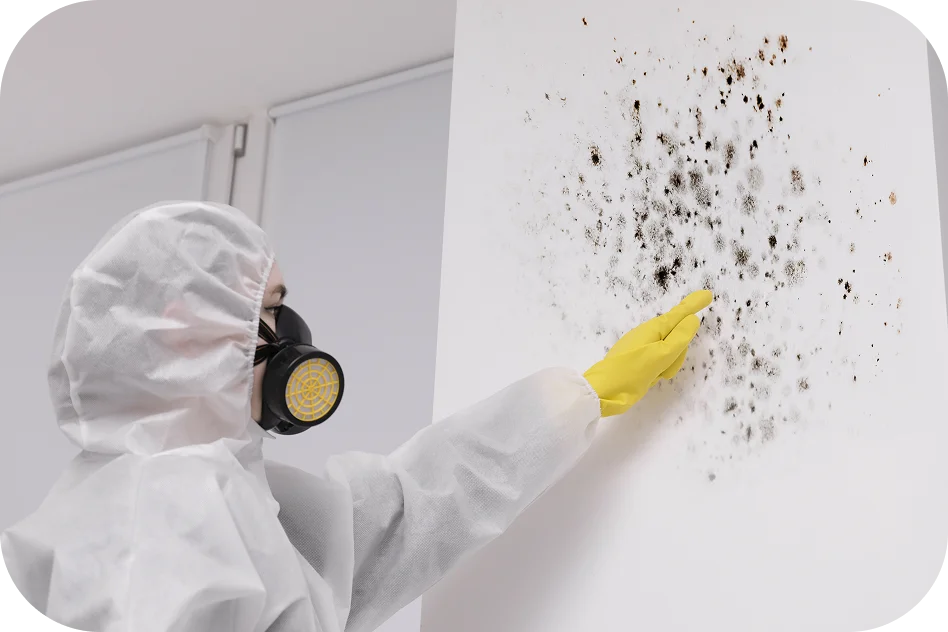

Mold on a bathroom ceiling is a common problem that many homeowners face, especially in spaces with poor ventilation and high humidity. It often starts as small black or green spots and gradually spreads if left untreated. Beyond being unpleasant to look at, mold can also affect indoor air quality and may cause health issues such as allergies, respiratory irritation, and skin sensitivity.
The good news is that bathroom ceiling mold can be removed effectively with the right approach. More importantly, it can be prevented from coming back when you address the root causes. This guide will walk you through everything you need to know, from understanding why mold forms to removing it safely and keeping your bathroom clean and mold free in the long term.
What Causes Mold on Bathroom Ceilings
Mold thrives in warm, damp, and poorly ventilated environments, which makes bathrooms an ideal place for growth.
Excess Moisture
Hot showers and baths release steam that rises and collects on the ceiling. When this moisture does not dry quickly, it creates the perfect conditions for mold.
Poor Ventilation
Bathrooms without exhaust fans or windows trap humid air. This leads to continuous dampness, allowing mold spores to grow and spread.
Leaks
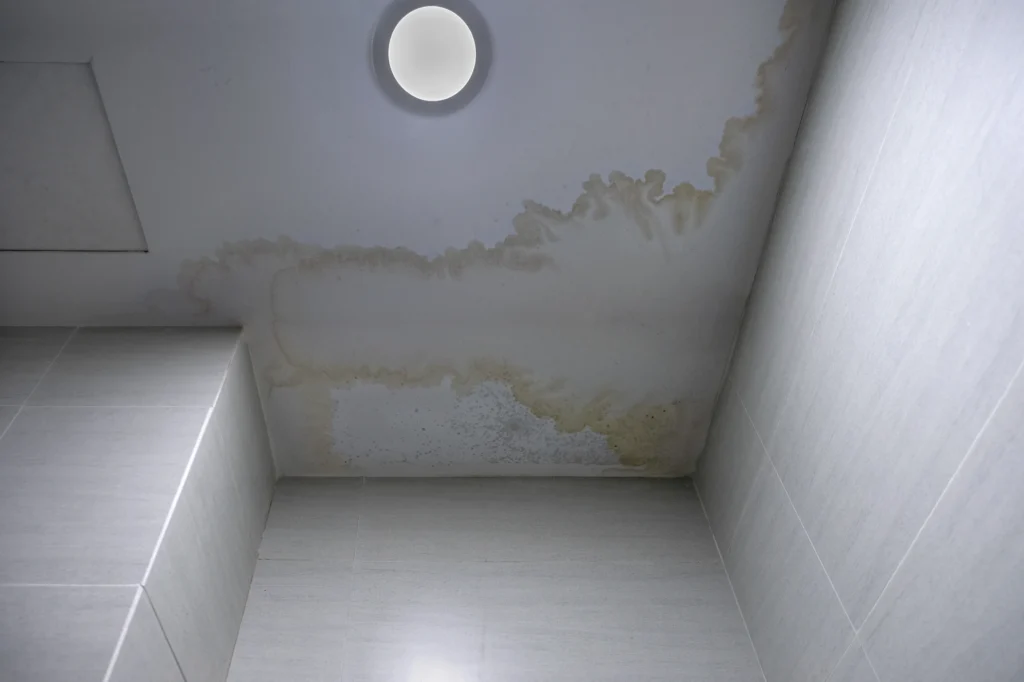
Water leaks from plumbing, roofs, or upper floors can keep the ceiling wet for extended periods. Even small leaks can lead to significant mold growth over time.
Condensation
When warm, moist air meets a cooler ceiling surface, condensation forms. Repeated condensation creates a persistent damp environment.
Signs of Mold on the Ceiling
Recognizing mold early can help prevent a larger problem.
- Black, green, or brown spots on the ceiling
- A musty or damp odor in the bathroom
- Peeling or bubbling paint
- Discoloration that spreads over time
If you notice any of these signs, it is important to act quickly.
Types of Mold Found in Bathroom or Bathroom Ceiling
Mold in bathrooms is not always the same. Different types of mold can grow depending on moisture levels, surface materials, and ventilation. While most bathroom mold looks similar at first glance, understanding the common types can help you assess severity and decide how to handle it.
Black Mold
Often referred to as toxic black mold, Stachybotrys chartarum is one of the most talked about types. It appears as dark green or black patches and thrives in areas with constant moisture, such as ceilings affected by leaks. It is less common than people think but can be more serious if present in large amounts.
Mildew
Mildew is a surface level mold that is very common in bathrooms. It usually appears as white, gray, or light yellow patches. It grows on damp surfaces like painted ceilings, tiles, and grout. Mildew is easier to clean compared to other molds and is often the first stage of mold growth.
Aspergillus
Aspergillus is a widespread mold that can appear in various colors, including green, yellow, or brown. It often grows on walls and ceilings where moisture collects. While common, some forms can trigger allergic reactions or respiratory issues in sensitive individuals.
Cladosporium
Cladosporium is another frequently found mold in bathrooms. It appears as black, green, or brown spots and can grow on both porous and non porous surfaces. It spreads easily in humid environments and may cause mild allergic symptoms.
Penicillium
Penicillium is recognizable by its blue or green color. It spreads quickly and is often found on water damaged ceilings, insulation, and wallpaper. It can contribute to indoor air quality issues if not removed promptly.
Is Bathroom Ceiling Mold Dangerous
Mold exposure can affect people differently. Some may not notice symptoms, while others may experience:
- Sneezing or nasal congestion
- Itchy eyes or skin irritation
- Coughing or throat irritation
- Worsening asthma symptoms
People with allergies, asthma, or weakened immune systems may be more sensitive. Removing mold promptly helps reduce these risks.

Safety Precautions Before Cleaning Mold
Before you start cleaning, take a few basic precautions to protect yourself.
- Wear gloves to protect your skin
- Use a mask to avoid inhaling spores
- Open windows or ensure proper airflow
- Wear old clothes or protective clothing
Avoid mixing different cleaning chemicals, as this can create harmful fumes.
Tools and Supplies You Will Need
Having the right tools makes the process easier and safer.
- Spray bottle
- Soft brush or sponge
- Microfiber cloth
- Ladder or step stool
- Protective gloves and mask
- Cleaning solution such as vinegar, baking soda, or mild bleach solution
Step by Step Guide to Remove Mold
Follow these steps carefully to clean mold from your bathroom ceiling.
Step 1 Prepare the Area
Remove any items from the bathroom that may get wet or contaminated. Lay down old towels to catch drips.
Step 2 Choose a Cleaning Solution
You can use natural or chemical solutions depending on the severity of the mold.
- White vinegar for mild to moderate mold
- Baking soda for gentle cleaning
- Diluted bleach for severe mold
Step 3 Apply the Solution
Spray the solution directly onto the affected area. Make sure the moldy spots are fully covered.
Step 4 Let It Sit
Allow the solution to sit for at least 10 to 15 minutes. This helps break down mold and kill spores.
Step 5 Scrub Gently
Use a soft brush or sponge to scrub the area. Avoid using too much force, as this can damage the ceiling surface.
Step 6 Wipe Clean
Use a damp cloth to remove residue. Repeat the process if needed.
Step 7 Dry the Area
Drying is crucial to prevent mold from returning. Use a fan, open windows, or turn on an exhaust fan.
Natural Remedies for Mold Removal
If you prefer non toxic solutions, there are effective natural options.
White Vinegar
Vinegar kills many types of mold and prevents regrowth. Spray it undiluted and let it sit before wiping.
Baking Soda
Baking soda cleans and deodorizes. Mix it with water to create a paste or spray solution.
Hydrogen Peroxide
This solution helps kill mold and remove stains. Spray it on and let it sit before scrubbing.
Natural remedies are safer for regular maintenance but may require repeated applications.
When to Use Bleach
Bleach is effective for killing mold on non porous surfaces, but it should be used carefully.
- Use a diluted solution
- Ensure proper ventilation
- Avoid mixing with other cleaners
Keep in mind that bleach may not fully penetrate porous materials, so mold can return if moisture issues are not addressed.
Preventing Mold from Coming Back
Removing mold is only part of the solution. Preventing it from returning is essential.
Improve Ventilation
Install or use an exhaust fan regularly. Keep it running during and after showers.
Reduce Humidity
Keep humidity levels low by using a dehumidifier if necessary.
Fix Leaks Quickly
Repair any plumbing or roof leaks immediately to prevent moisture buildup.
Wipe Down Surfaces
After showers, wipe down walls and ceilings to remove excess moisture.
Use Mold Resistant Paint
Consider repainting your ceiling with mold resistant paint to reduce future growth.
How Often Should You Clean the Ceiling
Regular maintenance helps prevent mold buildup.
- Inspect the ceiling weekly
- Clean lightly once every two weeks
- Deep clean if you notice any spots
Consistency is key to keeping your bathroom mold free.
Common Mistakes to Avoid
Avoiding these mistakes can make a big difference.
- Ignoring small spots of mold
- Not addressing the source of moisture
- Using too much water during cleaning
- Skipping protective gear
- Rushing the drying process
Each of these can lead to mold returning quickly.
When to Call a Professional
In some cases, professional help may be necessary.
- Mold covers a large area
- The ceiling material is damaged
- Mold keeps returning despite cleaning
- You suspect hidden mold behind surfaces
Professionals have specialized tools and expertise to handle severe cases safely.
Long Term Maintenance Tips
Keeping your bathroom ceiling mold free requires ongoing care.
- Keep the bathroom well ventilated
- Maintain a consistent cleaning routine
- Monitor humidity levels
- Use quality materials that resist moisture
- Stay alert to early signs of mold
These small habits can prevent major problems in the future.
FAQs About Bathroom Ceiling Mold
Can mold grow on a freshly painted bathroom ceiling
Yes, mold can grow even on a newly painted surface if moisture and humidity levels remain high and ventilation is poor.
Does turning on the exhaust fan after a shower really help
Yes, running the exhaust fan for at least 20 minutes after a shower helps remove excess moisture and reduces mold growth.
Can mold spread to other rooms from the bathroom ceiling
Yes, mold spores can travel through the air and potentially spread to other damp areas if not controlled.
Is it safe to sleep in a home with bathroom ceiling mold
Small amounts may not affect everyone, but prolonged exposure can cause health issues, so it is best to remove it quickly.
Can air conditioners help prevent bathroom mold
Air conditioners can reduce humidity levels, which may help limit mold growth in humid environments.
Why does mold keep coming back after cleaning
Mold usually returns when the underlying cause such as moisture, leaks, or poor ventilation is not fully resolved.
Can using hot water for showers increase mold growth
Yes, hot showers produce more steam, which increases humidity and creates ideal conditions for mold.
Are wooden bathroom ceilings more prone to mold
Yes, wood is a porous material that absorbs moisture easily, making it more susceptible to mold growth.
Can mold damage the structure of the ceiling
Over time, mold can weaken materials like drywall or wood, leading to structural damage if ignored.
Is repainting enough to stop mold from coming back
No, repainting alone will not stop mold unless the moisture problem is fixed and mold resistant paint is used.
Conclusion
Getting rid of mold on your bathroom ceiling is not just about cleaning what you can see. It is about understanding why it appeared in the first place and making sure those conditions do not return. Mold thrives in moisture and poor airflow, so long term control depends on keeping your bathroom dry, well ventilated, and properly maintained.
By following the right cleaning methods and using safe, effective solutions, you can remove mold without damaging your ceiling. Just as important, small daily habits like running an exhaust fan, wiping down surfaces, and checking for leaks can make a lasting difference. Consistency matters more than quick fixes.
If the problem keeps coming back or spreads beyond a small area, it is a sign that deeper issues need attention. In such cases, seeking professional help can save time and prevent further damage. With the right balance of cleaning, prevention, and awareness, you can maintain a clean, healthy bathroom ceiling and avoid recurring mold problems.