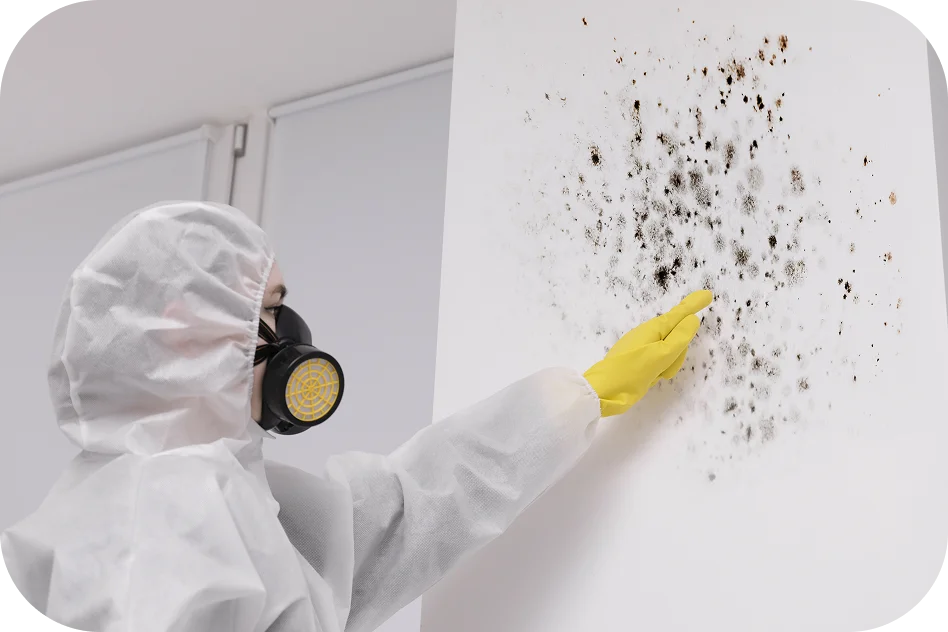

Mold is a silent intruder that can wreak havoc on your home and health if left unchecked. In the humid climate of Florida, where moisture levels are often high, it’s especially crucial to be proactive in mold prevention. In this guide, we’ll walk you through practical steps to shield your home from mold problems. From identifying vulnerable areas to implementing prevention strategies, we’ve got you covered.
Understanding the Enemy: Mold 101
Before we dive into prevention, let’s briefly understand what mold is. Mold is a type of fungus that thrives in damp environments. It reproduces through tiny spores that are invisible to the naked eye. These spores can find their way into your home through open windows, HVAC systems, or even on your clothing.
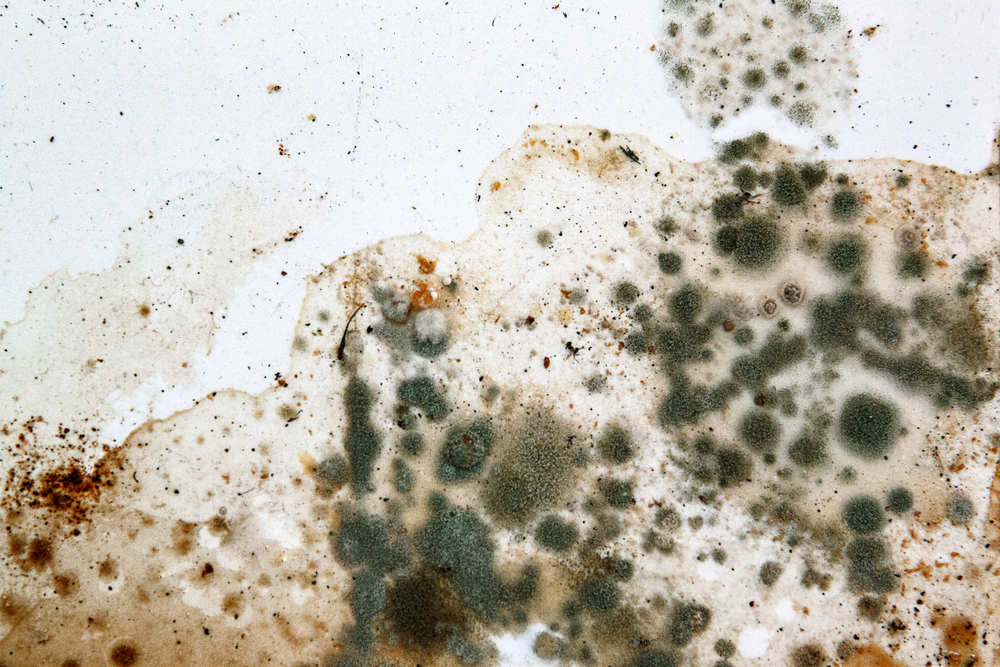
Mold Prevention: Spot the Weakness: Vulnerable Areas
- Bathrooms and Kitchens
- These spaces are particularly susceptible due to high moisture levels. Regularly inspect and maintain proper ventilation.
- Install exhaust fans to expel moist air out of the house.
- Basements and Crawl Spaces
- These areas are often damp and poorly ventilated. Consider using a dehumidifier to maintain optimal humidity levels.
- Roof and Gutters
- Leaks in the roof or clogged gutters can lead to water accumulation, creating a breeding ground for mold.
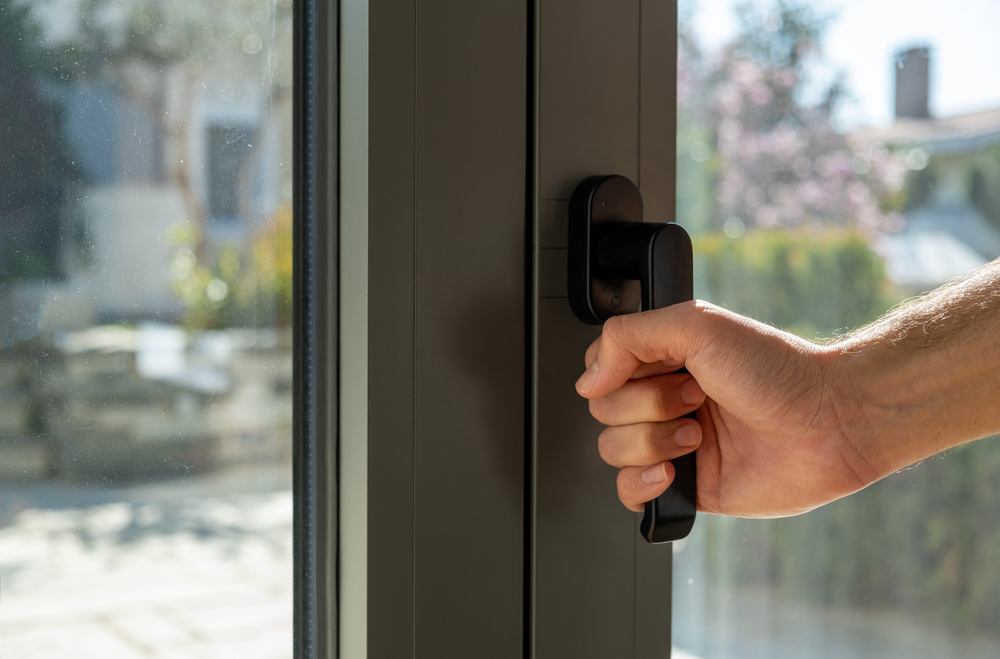
- Windows and Doors
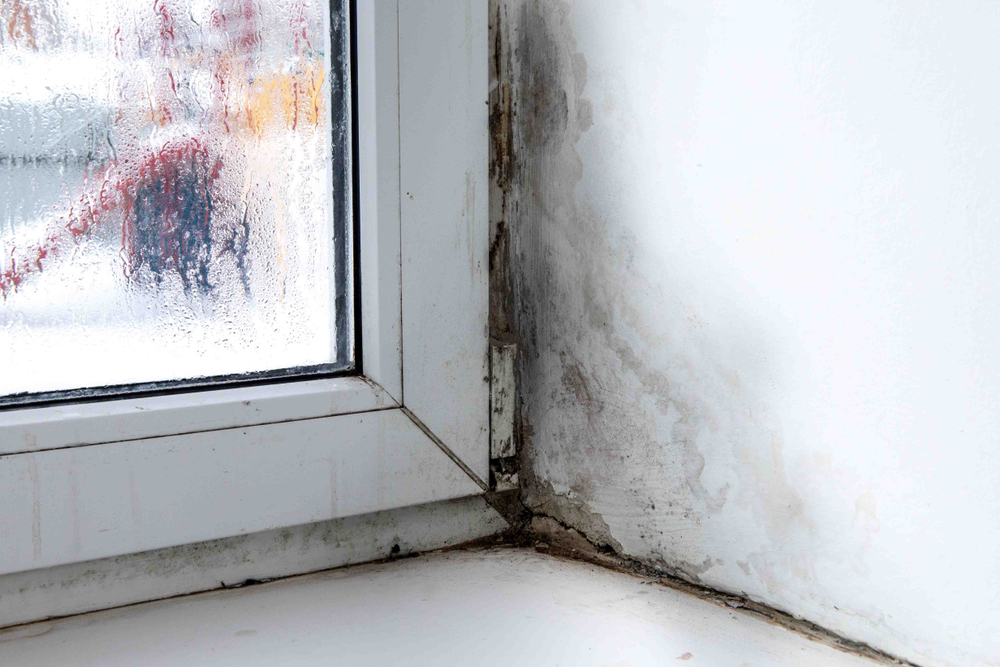
- Improper seals can allow moisture to seep in. Ensure seals are intact and re-caulk if necessary.
- Air Ducts and HVAC Systems
- Mold spores can travel through these systems. Regular maintenance and cleaning are crucial.
The Power of Ventilation
A well-ventilated home is a crucial defense against mold growth. Proper air circulation helps maintain optimal humidity levels and prevents moisture buildup.
- Natural Ventilation
- Open windows and doors on dry days to allow fresh air in.
- Use fans to promote air circulation.
- Artificial Ventilation
- Install exhaust fans in bathrooms, kitchens, and other high-moisture areas.
Maintain Optimal Humidity Levels
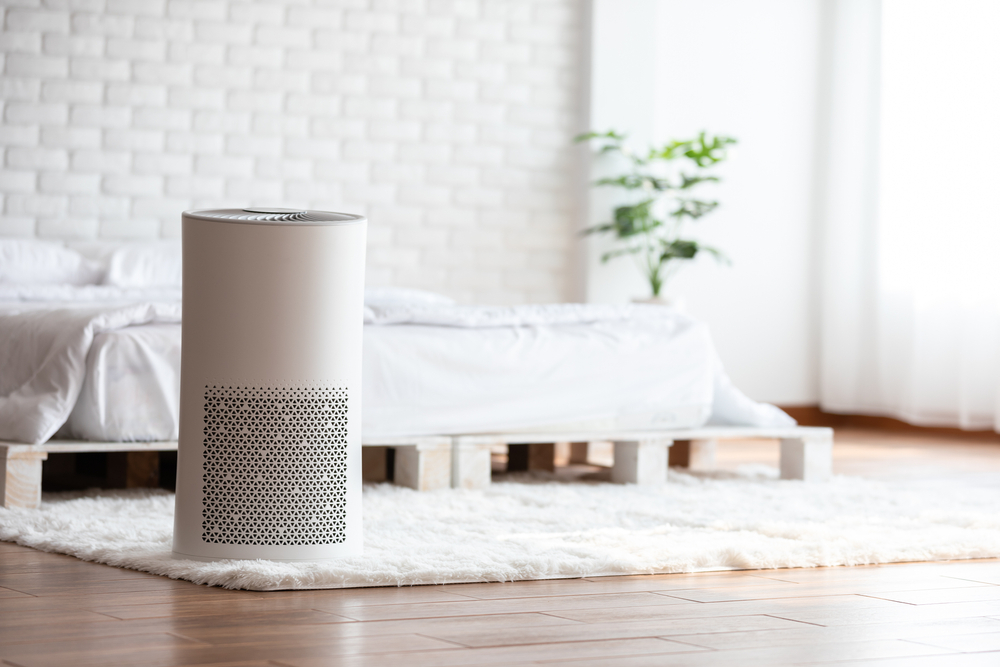
- Invest in a Dehumidifier
- Especially important for basements and crawlspaces, a dehumidifier helps control moisture levels.
- Monitor Indoor Humidity
- Use a hygrometer to keep tabs on humidity levels. Aim for 30-50% relative humidity.
Seal, Caulk, and Insulate
- Seal Cracks and Gaps
- Regularly inspect your home for any openings that might allow moisture in.
- Caulk Around Windows and Doors
- Replace any damaged or worn-out caulk to maintain a tight seal.
- Insulate to Prevent Condensation
- Insulation helps regulate temperature and reduce condensation, a breeding ground for mold.
Regular Inspections: The Key to Prevention
Scheduled Home Checks
- Set a routine to inspect vulnerable areas for any signs of leaks, dampness, or discoloration.
Prompt Repairs
- Address any issues immediately. Ignoring small problems can lead to major mold infestations.

Don’t Forget the Exterior
- Proper Drainage
- Ensure that water is directed away from your home’s foundation.
- Clean gutters regularly to prevent clogs and overflows.
- Landscaping Tips
- Trim bushes and trees away from the house to allow for proper airflow.
Know When to Seek Professional Help
- Large-Scale Infestations
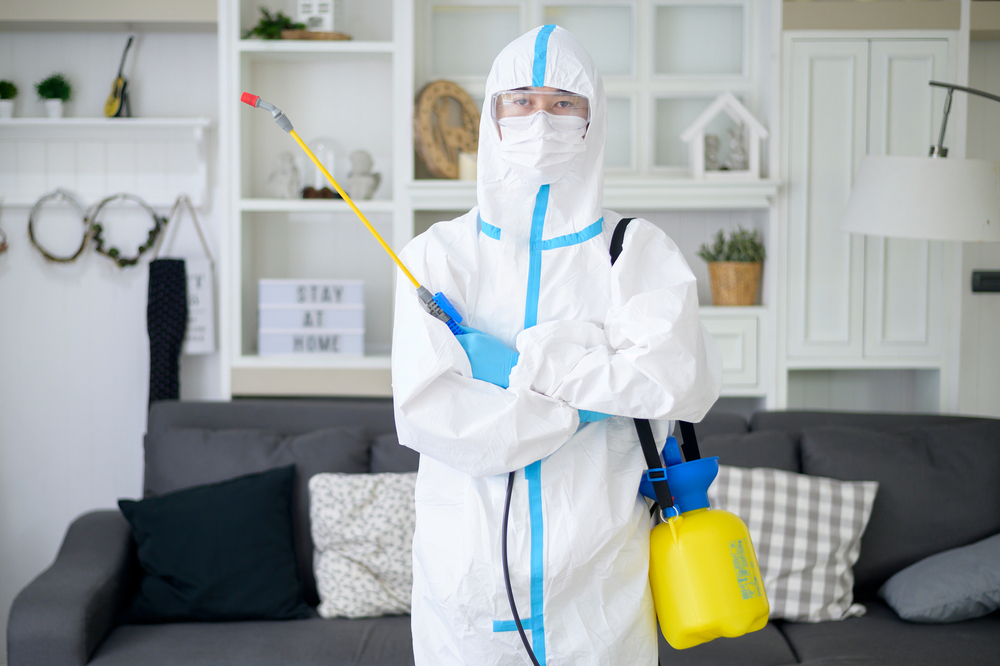
- If you discover a significant mold problem, it’s best to consult a professional remediation service.
- Persistent Issues
- If you’ve followed all prevention steps and still face mold problems, it may be a sign of a deeper issue.
A Mold-Free Haven
By implementing these practical strategies, you can significantly reduce the risk of mold infestations in your Florida home. Remember, prevention is the best defense against mold. Regular inspections, proper ventilation, and moisture control are your strongest allies. With these steps, you’re well on your way to enjoying a healthy, mold-free living space.
Remember, your home is your sanctuary. Protect it from mold, and it will protect you in return.

FAQs About Mold Prevention At Home: Best Tips
1. What is mold, and why is it a problem in homes?
Mold is a fungus that thrives in damp environments and can damage home structures and affect the health of its occupants.
2. What are the most vulnerable areas to mold growth?
Bathrooms, kitchens, basements, and attics are the most susceptible due to constant moisture.
3. How can I prevent mold in my home?
Ensure good ventilation, control humidity, and regularly inspect for signs of mold to prevent it.
4. How can I tell if there’s mold on my walls?
Look for dark spots, a musty smell, or allergy symptoms like persistent sneezing or coughing.
5. What should I do if I find mold in my home?
Small infestations can be cleaned with household products, but for larger issues, it’s best to call a professional.
6. Is it important to control humidity in my home?
Yes, keeping humidity levels between 30%-50% helps prevent mold. Dehumidifiers are particularly useful in vulnerable areas.
7. What kind of ventilation is most effective for mold prevention?
Both natural ventilation (opening windows) and artificial ventilation (installing exhaust fans) are key to preventing moisture buildup.
8. How often should I check for mold in my home?
Perform regular inspections, especially in high-moisture areas, and after events like heavy rain or flooding.
9. Can mold affect my health?
Yes, mold exposure can cause respiratory issues, allergies, and worsen conditions like asthma.
10. When should I call a professional for mold remediation?
If the mold problem is extensive or persists despite your prevention efforts, it’s best to consult a professional for remediation.