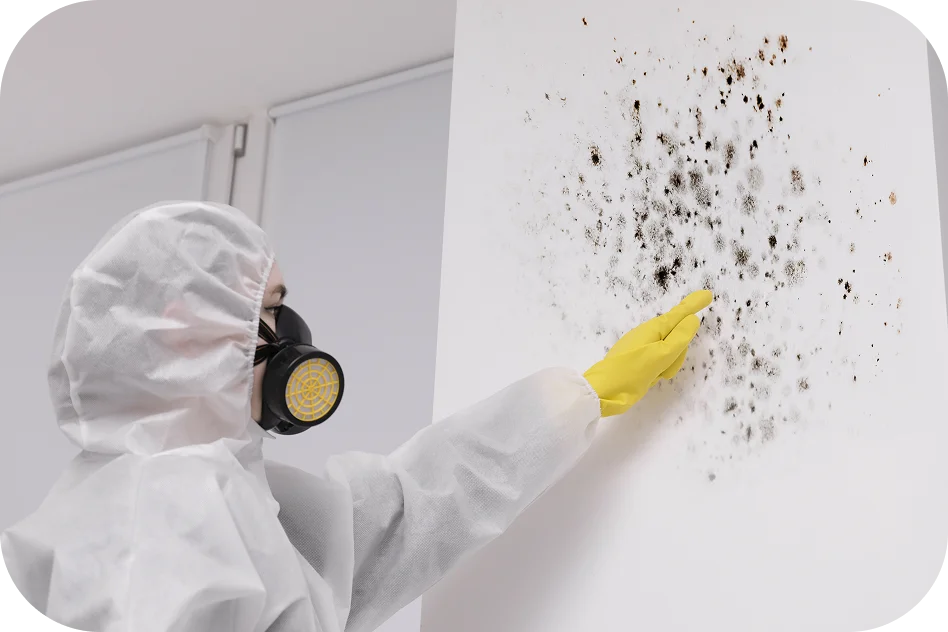

White mold is a common household problem that many homeowners discover on wood, drywall, basements, crawl spaces, attics, and even plants. Because it often appears as a fuzzy white substance, people sometimes mistake it for dust, mildew, or mineral deposits.
One of the first questions people ask after spotting white mold is: Is white mold harmful?
The short answer is yes, white mold can be harmful under certain circumstances. While not all white mold species produce dangerous toxins, prolonged exposure can affect indoor air quality and may cause health issues, especially for individuals with allergies, asthma, or weakened immune systems.
In this guide, you will learn what white mold is, why it grows, whether it is dangerous, how to identify it, and what steps you can take to remove and prevent it.
What Is White Mold?
White mold is a fungal growth that appears white, grayish-white, or powdery on various surfaces.
Like other molds, white mold reproduces by releasing microscopic spores into the air. These spores travel through the environment and settle on surfaces where moisture is present.
White mold commonly grows on:
- Wood
- Drywall
- Furniture
- Carpets
- Insulation
- Basement walls
- Crawl spaces
- Plants
- Stored belongings
In its early stages, some molds appear white before changing to green, black, or other colors.
Is White Mold Harmful to Humans?
Yes, white mold can be harmful to humans.
Although white mold is not always toxic, exposure may trigger health problems in some individuals.
Potential health effects include:
- Sneezing
- Coughing
- Nasal congestion
- Runny nose
- Throat irritation
- Eye irritation
- Skin irritation
- Headaches
People with allergies or respiratory conditions are often more sensitive to mold exposure.
Why Is White Mold Dangerous?
White mold becomes a concern because it releases airborne spores.
When spores become airborne, they can be inhaled by occupants of the home.
Long-term exposure may contribute to:
- Chronic allergy symptoms
- Respiratory discomfort
- Indoor air quality problems
- Increased asthma symptoms
The severity of symptoms varies from person to person.
Is White Mold Toxic?
Not all white mold is toxic.
The term “toxic mold” is often used to describe mold species that produce mycotoxins.
White mold itself may or may not produce toxins depending on the species involved.
However, even non-toxic mold can create health concerns due to spore exposure and allergic reactions.
For this reason, any visible mold growth should be taken seriously.
Can White Mold Cause Allergies?
Yes, white mold is a common allergy trigger.
Many people develop allergic reactions when exposed to mold spores.
Common symptoms include:
- Sneezing
- Watery eyes
- Itchy throat
- Nasal congestion
- Skin irritation
Symptoms may worsen when spending time in affected areas.
Can White Mold Affect Asthma?
Yes, white mold can aggravate asthma symptoms.
Mold spores can irritate the respiratory system and trigger asthma attacks in sensitive individuals.
Possible symptoms include:
- Wheezing
- Shortness of breath
- Chest tightness
- Increased coughing
Individuals with asthma should address mold problems as quickly as possible.
Is White Mold Dangerous for Children?
Children can be more sensitive to mold exposure than healthy adults.
Because their respiratory systems are still developing, they may experience symptoms more easily.
Potential concerns include:
- Allergy symptoms
- Respiratory irritation
- Increased asthma symptoms
Maintaining good indoor air quality is especially important in homes with children.
Is White Mold Dangerous for Older Adults?
Older adults may also be more vulnerable to mold-related health effects.
This is particularly true if they have:
- Asthma
- Chronic lung disease
- Weakened immune systems
- Allergies
Removing mold promptly helps reduce exposure risks.
Can White Mold Grow Inside a House?
Yes, white mold frequently grows indoors.
Common locations include:
Basements
Basements often have elevated humidity levels that encourage mold growth.
Crawl Spaces
Poor ventilation and moisture make crawl spaces a common mold problem area.
Attics
Roof leaks and condensation can create ideal conditions for mold.
Bathrooms
Frequent moisture exposure increases the risk of mold growth.
Kitchens
Leaks beneath sinks and appliances can lead to mold development.
What Causes White Mold?
White mold requires moisture to grow.
Common causes include:
Water Leaks
Leaking pipes, roofs, or appliances create ideal conditions for mold growth.
High Humidity
Humidity levels above 60 percent increase the likelihood of mold development.
Poor Ventilation
Limited airflow can trap moisture indoors.
Flooding
Water damage often leads to mold growth if materials are not dried quickly.
Condensation
Condensation on windows, walls, and pipes may provide enough moisture for mold growth.
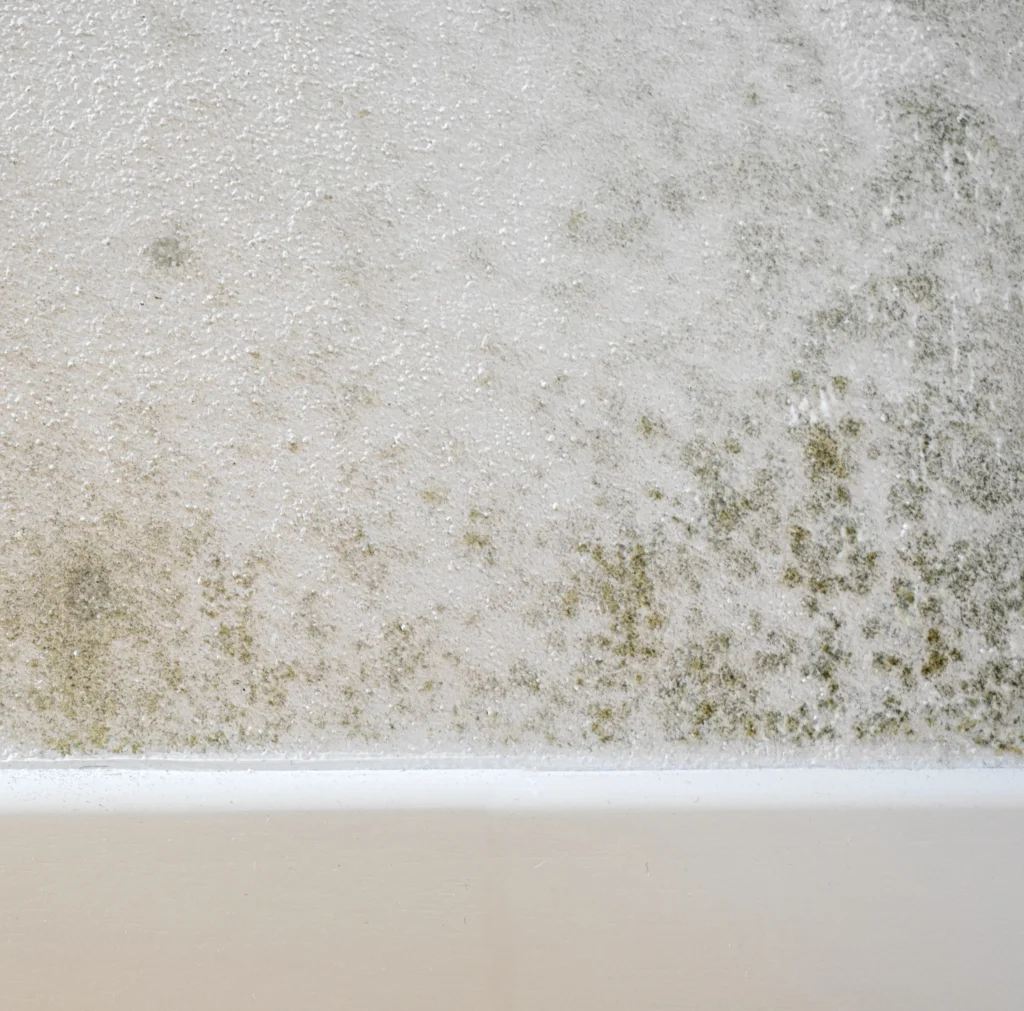
What Does White Mold Look Like?
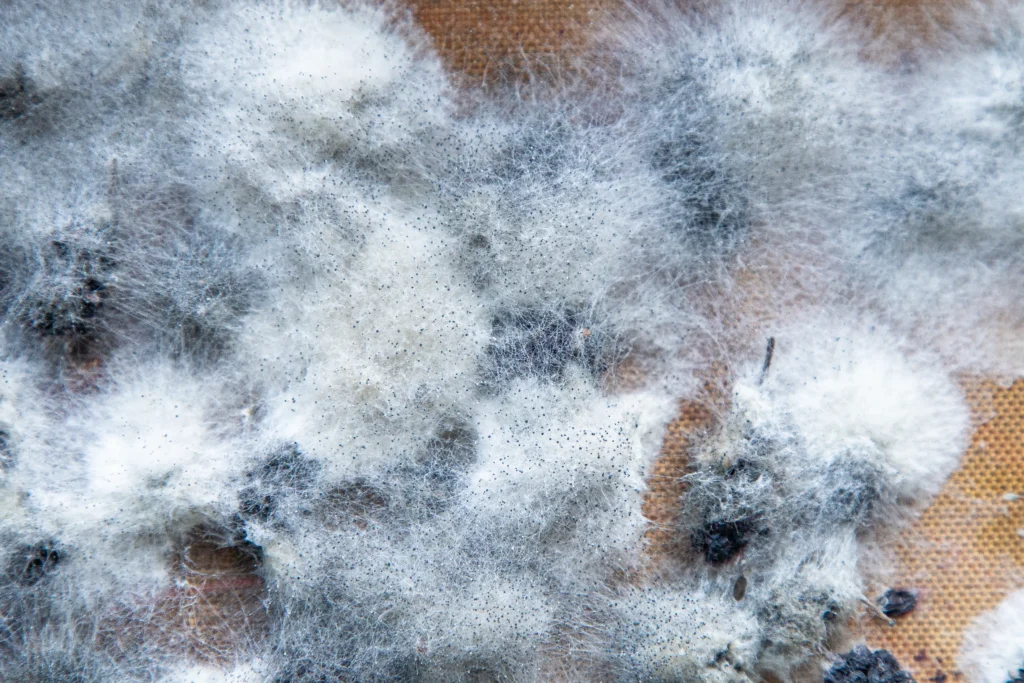
White mold often appears as:
- Fuzzy growth
- Powdery patches
- Cotton-like material
- Thin white film
The appearance depends on the mold species and the surface where it grows.
It may spread in irregular patterns across affected areas.
Is White Mold the Same as Mildew?
No, white mold and mildew are different.
Mildew typically remains on the surface of materials and is often easier to remove.
White mold can penetrate porous materials such as:
- Wood
- Drywall
- Fabric
Because mold can spread deeper into materials, it may require more extensive remediation.
Is White Mold Worse Than Black Mold?
Many people automatically assume black mold is more dangerous.
The reality is that any mold growth should be addressed.
Both white mold and black mold can:
- Damage property
- Trigger allergies
- Affect indoor air quality
The level of risk depends on the mold species, the amount of growth, and the individual’s sensitivity.
Can White Mold Damage Your Home?
Yes, white mold can cause significant property damage.
As mold grows, it feeds on organic materials.
Affected materials may include:
- Wood framing
- Drywall
- Flooring
- Furniture
- Insulation
Over time, mold can weaken materials and contribute to structural issues.
Is White Mold Harmful to Wood?
Yes, white mold can damage wood surfaces.
If moisture remains present, mold may continue spreading and breaking down organic material.
Common areas affected include:
- Wooden beams
- Floor joists
- Subfloors
- Furniture
Early treatment helps minimize damage.
Can White Mold Grow on Concrete?
White mold can grow on concrete when organic matter and moisture are present.
Although concrete itself is not an organic food source, dust and debris on the surface may support mold growth.
Basement walls are a common location for mold on concrete.
Is White Mold on Plants Harmful?
White mold can also affect plants.
Certain fungal diseases produce white growth on leaves and stems.
This may:
- Reduce plant health
- Slow growth
- Damage crops
- Spread to nearby plants
Prompt treatment helps protect affected plants.
How Do You Remove White Mold?
The best removal method depends on the size and severity of the infestation.
Small Areas
For small areas, homeowners may use:
- Mold cleaners
- White vinegar
- Commercial mold removal products
Always follow product instructions carefully.
Larger Infestations
Extensive mold growth may require professional remediation.
Professionals have specialized equipment for:
- Containment
- Air filtration
- Safe removal
Should You Remove White Mold Yourself?
Small surface mold problems may be manageable for some homeowners.
However, professional assistance may be recommended when:
- Mold covers a large area
- Water damage is extensive
- Mold repeatedly returns
- Occupants have health concerns
Safety should always be the priority.
How Can You Prevent White Mold?
Prevention focuses on moisture control.
Fix Water Leaks Quickly
Address leaks as soon as possible.
Improve Ventilation
Use exhaust fans and maintain proper airflow.
Reduce Humidity
Dehumidifiers can help maintain healthy humidity levels.
Dry Water Damage Immediately
Wet materials should be dried quickly after leaks or flooding.
Inspect Problem Areas Regularly
Basements, crawl spaces, and attics should be checked routinely.
How Long Does It Take for White Mold to Grow?
Under the right conditions, mold can begin growing within 24 to 48 hours after moisture exposure.
Growth may continue rapidly if moisture problems remain unresolved.
This is why quick action after water damage is important.
When Should You Call a Mold Professional?
Consider professional help if:
- Mold covers large areas
- The source of moisture is unknown
- Health symptoms are occurring
- Mold repeatedly returns
- Structural materials are affected
Professional inspections can help determine the extent of the problem.
Common Myths About White Mold
Myth: White Mold Is Harmless
White mold can affect both health and property.
Myth: White Mold Is Just Dust
White mold may resemble dust, but it is a living fungal growth.
Myth: Mold Only Grows in Dirty Homes
Mold grows because of moisture, not cleanliness.
Myth: If You Cannot Smell Mold, It Is Not There
Some mold growth may have little or no noticeable odor.
FAQs About White Mold
Can white mold spread from one room to another?
Yes, mold spores can travel through the air and spread to other areas if moisture conditions are favorable.
Does white mold have a smell?
Some white mold produces a musty or earthy odor, while other types may have little noticeable smell.
Can air conditioners spread white mold spores?
If mold develops within HVAC systems, spores may circulate throughout the home.
Does sunlight kill white mold?
Direct sunlight may slow mold growth, but it does not always eliminate the underlying problem.
Can white mold return after cleaning?
Yes, mold often returns if the moisture source is not corrected.
Is white mold common after flooding?
Yes, water damage and flooding significantly increase the risk of mold growth.
Can white mold grow behind walls?
Yes, mold can develop inside wall cavities where moisture is trapped.
Does painting over white mold solve the problem?
No, painting over mold does not remove it and may allow the problem to continue growing underneath.
Can white mold affect indoor air quality?
Yes, airborne mold spores can reduce indoor air quality and contribute to respiratory symptoms.
Should a home inspection include mold concerns?
Yes, if mold is suspected, a professional inspection can help identify hidden growth and moisture issues.
Conclusion
Yes, white mold can be harmful to both your health and your home. While not all white mold species are toxic, exposure to mold spores may trigger allergies, respiratory irritation, and asthma symptoms. In addition, white mold can damage wood, drywall, insulation, and other building materials if left untreated.
The key to preventing white mold problems is controlling moisture. By addressing leaks, reducing humidity, improving ventilation, and responding quickly to water damage, homeowners can significantly reduce the risk of mold growth. If mold becomes widespread or repeatedly returns, consulting a mold remediation professional is often the safest and most effective solution.