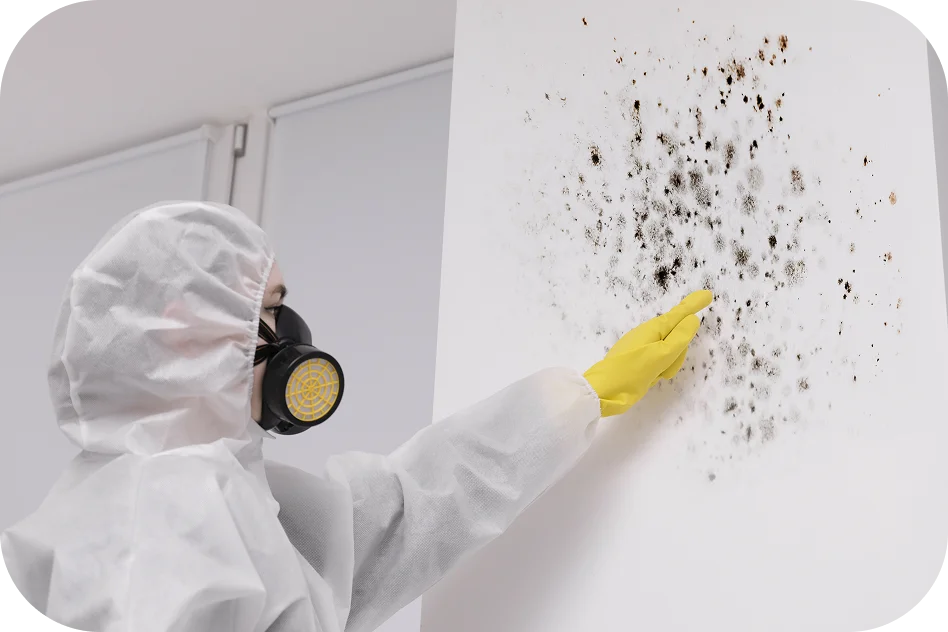

Florida Commercial Mold Management is crucial. Above all, in Florida, where humidity is constant, mold in commercial properties is not just a health hazard but also a legal issue. Understanding “Florida Commercial Mold Rights” is essential for both landlords and tenants to ensure a safe and compliant business environment.
Understanding Mold: What You Need to Know
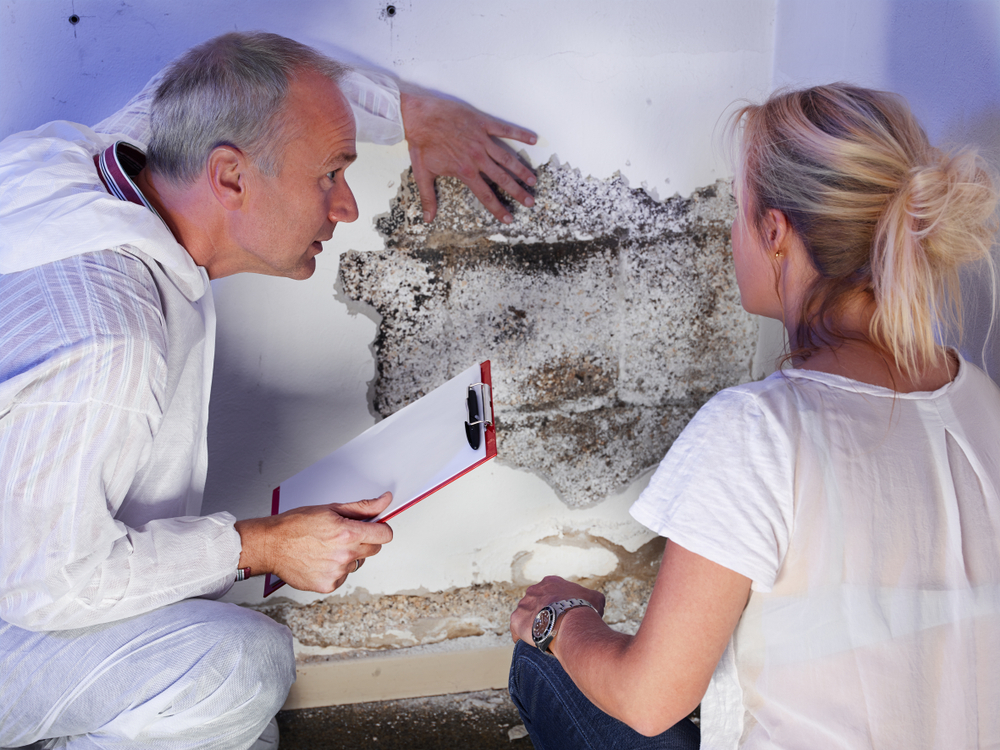
Mold is a type of fungus that thrives in moist environments. In commercial properties, it can lead to significant health issues like allergies and respiratory problems and can even damage the building structure. Florida’s warm climate makes commercial properties particularly susceptible to mold growth.
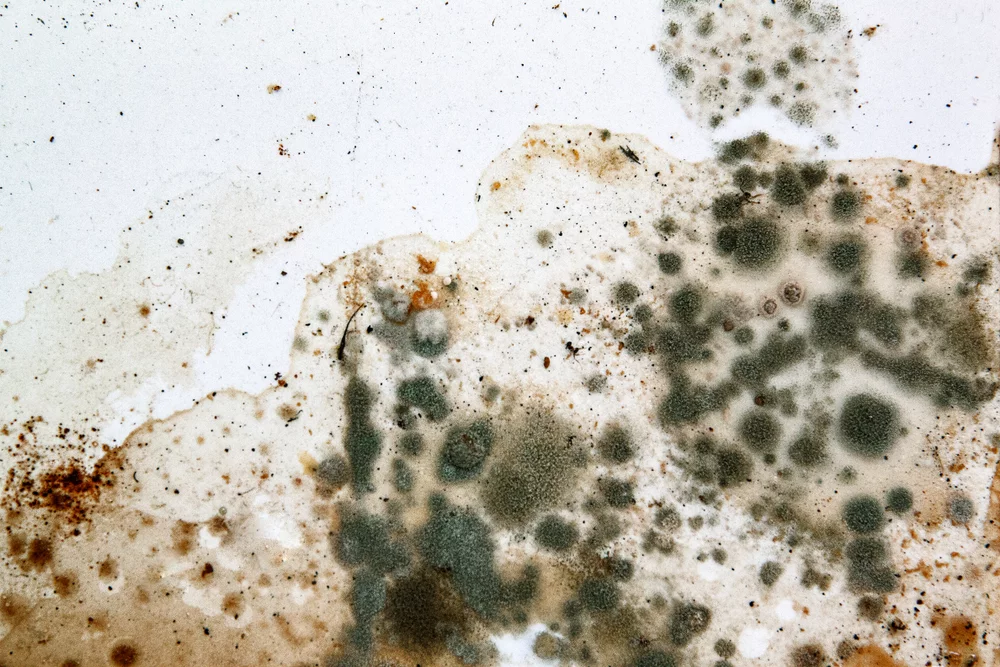
Florida Commercial Mold Management: Legal Framework
Florida Commercial Mold Management in the Sunshine State, law requires landlords to maintain commercial properties in a condition fit for the purpose for which they are rented. While specific mold regulations might vary, general property maintenance laws apply. Florida Statutes Chapter 83 governs the landlord-tenant relationship and includes provisions relevant to mold and property upkeep.
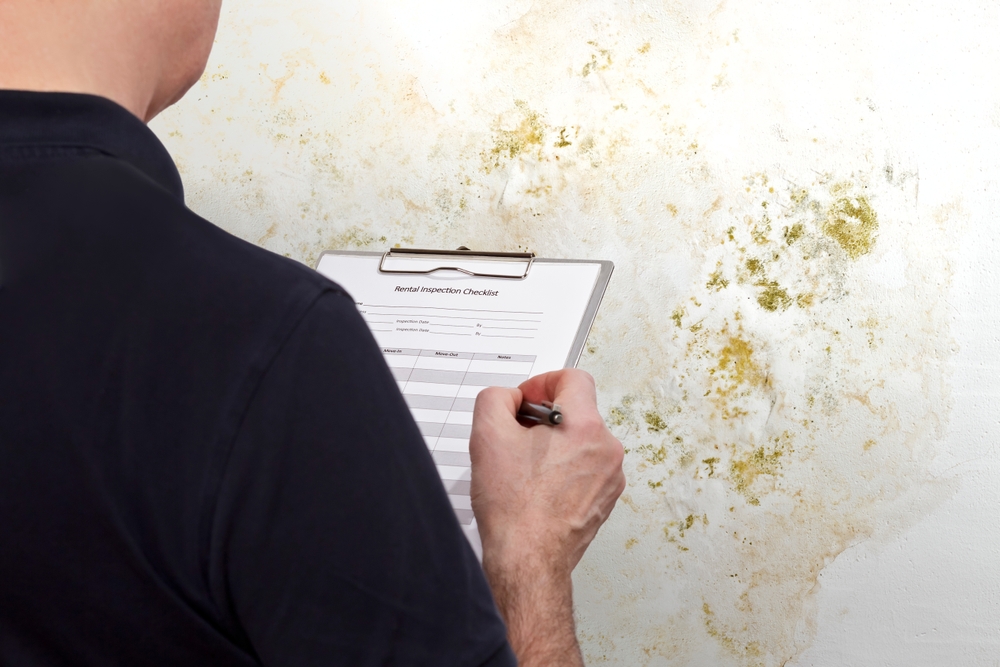
Landlords’ Responsibilities
Landlords are responsible for providing a habitable environment free from mold-related health hazards. In Florida Commercial Mold Management, They must address mold issues promptly and effectively. Failure to do so can lead to legal actions by tenants, including withholding rent or even terminating leases.
Tenants’ Rights
Tenants in Florida have the right to a safe and healthy environment. If mold is discovered, they should notify their landlord in writing. Tenants may have the right to withhold rent or break the lease if the landlord fails to address mold problems after proper notification.
Preventive Measures for Mold
Prevention is crucial in mold management. Regular maintenance, such as inspecting plumbing for leaks, ensuring proper ventilation, and controlling humidity, are essential. Both landlords and tenants should collaborate to maintain these standards.
Handling Mold: A Step-by-Step Guide
When mold is identified:
- Document: Take photos and make detailed notes.
- Notify: Inform the other party in writing.
- Respond: Landlords should arrange for professional mold assessment and remediation.
- Follow-up: Ensure the problem is fully resolved and preventative measures are in place.

Case Studies
Consider the case of a Miami-based commercial building where tenants reported respiratory issues. An investigation revealed extensive mold growth due to poor ventilation. The landlord was legally required to undertake comprehensive mold remediation and system upgrades.
Resources and Further Reading
For more detailed information on legal aspects and mold management, visit the Florida Department of Health website. For legal advice, consult a professional attorney familiar with Florida property laws.
Conclusion
Understanding and managing mold in commercial properties is crucial for health, safety, and legal compliance in Florida. Awareness of “Florida Commercial Mold Rights” benefits both landlords and tenants in maintaining a safe commercial environment.
If you suspect mold in your commercial property, don’t hesitate to seek professional assessment and remediation like the one ETA Mold brings. Your health and legal rights could depend on it. Feel free to reach out for any questions or feedback regarding Florida Commercial Mold Rights.
FAQs About Florida Commercial Mold Management
1. What is commercial mold management in Florida?
Commercial mold management in Florida involves inspecting, preventing, and removing mold in business properties to protect health, comply with state laws, and maintain structural integrity.
2. Are landlords legally responsible for mold in Florida commercial buildings?
Yes. Under Florida law, landlords must maintain habitable conditions. Ignoring mold problems may lead to legal penalties or lease termination by tenants.
3. What should tenants do if they find mold in their commercial space?
Tenants should immediately document the mold, notify their landlord in writing, and request remediation. If ignored, they may withhold rent or terminate the lease legally.
4. What causes mold to grow in Florida commercial properties?
Mold thrives in Florida’s humid climate, often due to water leaks, poor ventilation, or inadequate maintenance. Regular inspections can help prevent it.
5. Can tenants break a lease due to mold in Florida?
Yes. If a landlord fails to remediate mold after proper notice, tenants may legally terminate the lease under Florida Statutes Chapter 83.
6. How can landlords prevent mold growth in commercial buildings?
Landlords should maintain HVAC systems, repair leaks quickly, ensure proper ventilation, and schedule regular inspections to control humidity levels.
7. How quickly must landlords respond to mold complaints?
Landlords should act immediately upon receiving a mold complaint. Delays can worsen damage and expose them to legal and financial liability.
8. Is professional mold remediation required by law in Florida?
While not always explicitly mandated, hiring licensed professionals is recommended to meet health and safety standards and avoid legal issues.
9. What are the health risks of mold exposure in commercial spaces?
Mold exposure can cause allergic reactions, respiratory issues, headaches, and other serious health problems, especially in humid environments like Florida.
10. Where can I find official mold management guidelines in Florida?
You can visit the Florida Department of Health website for official resources and recommendations on commercial mold management.