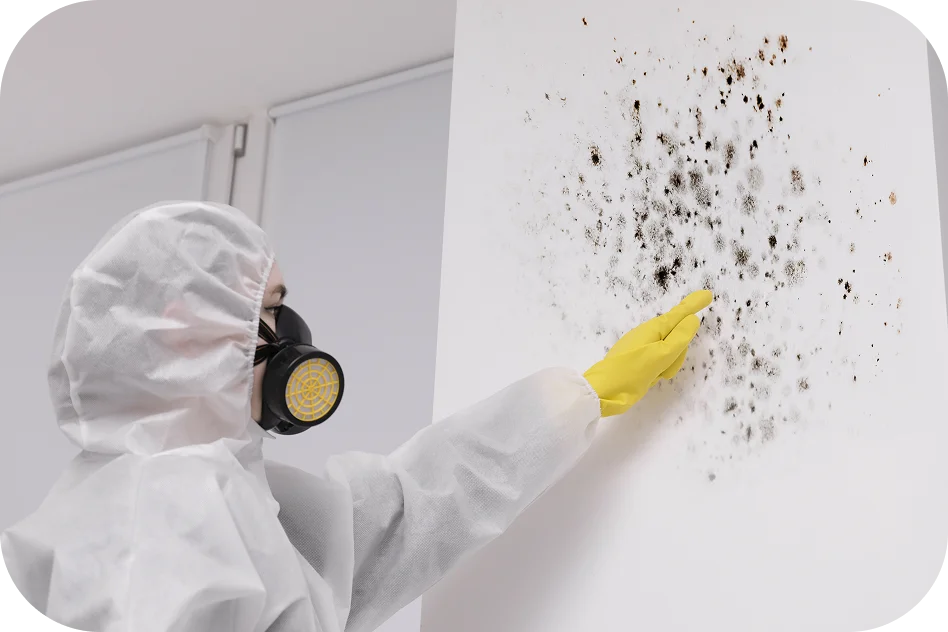

In today’s fast-paced work environments, ensuring a healthy office space is not just about ergonomics and aesthetics but also about maintaining a mold-free environment. Exposure to mold can lead to significant health issues, which in turn affects workplace productivity and satisfaction. This guide delves into the critical topic of commercial mold prevention, outlining the dangers of mold in office settings and offering robust strategies for maintaining a healthy indoor environment.
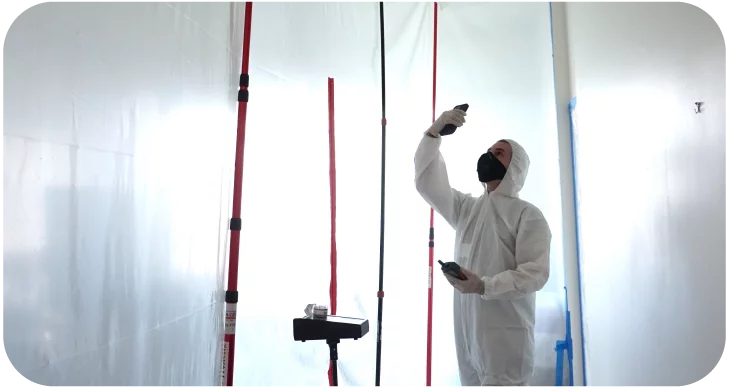
The Hidden Enemy in the Workplace
Mold in office environments is a common yet often overlooked concern. It can thrive in hidden spots such as behind walls, in ceiling tiles, or around leaky windows, making it harder to detect until it becomes a larger problem.
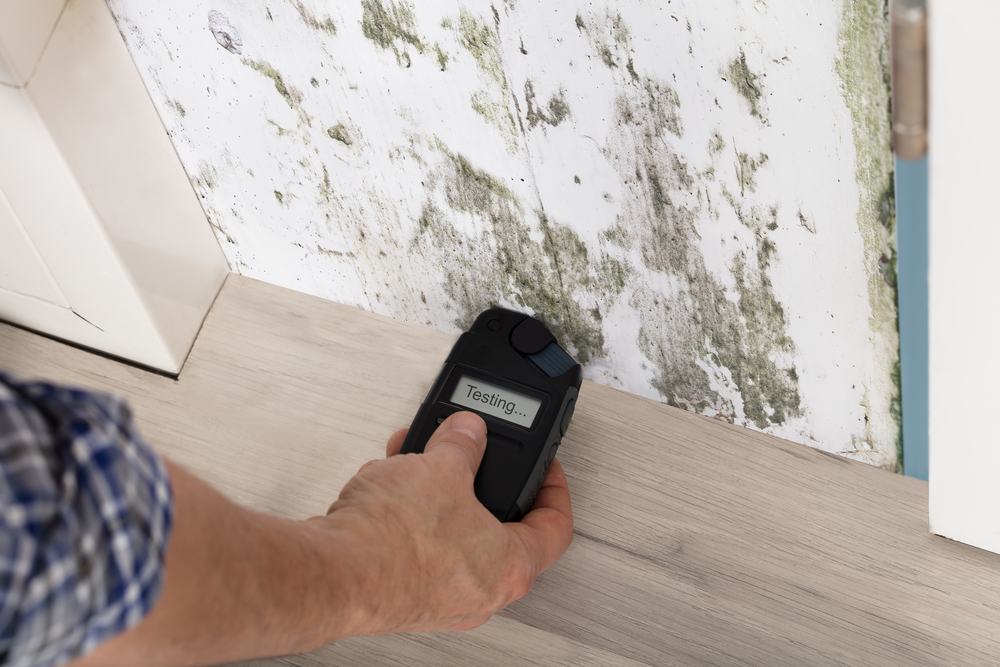
While mold itself often remains hidden, there are subtle signs that can indicate its presence before it becomes a widespread issue. Unusual odors, often described as musty or earthy, are a telltale sign that mold may be lurking in less visible areas.
Additionally, persistent health complaints from employees, such as respiratory problems, allergies, or unexplained headaches, can also be red flags that mold spores are affecting air quality. Recognizing these signs of commercial mold prevention can prompt timely investigations and interventions, helping to prevent the escalation of mold growth and safeguarding the health of the workplace environment.
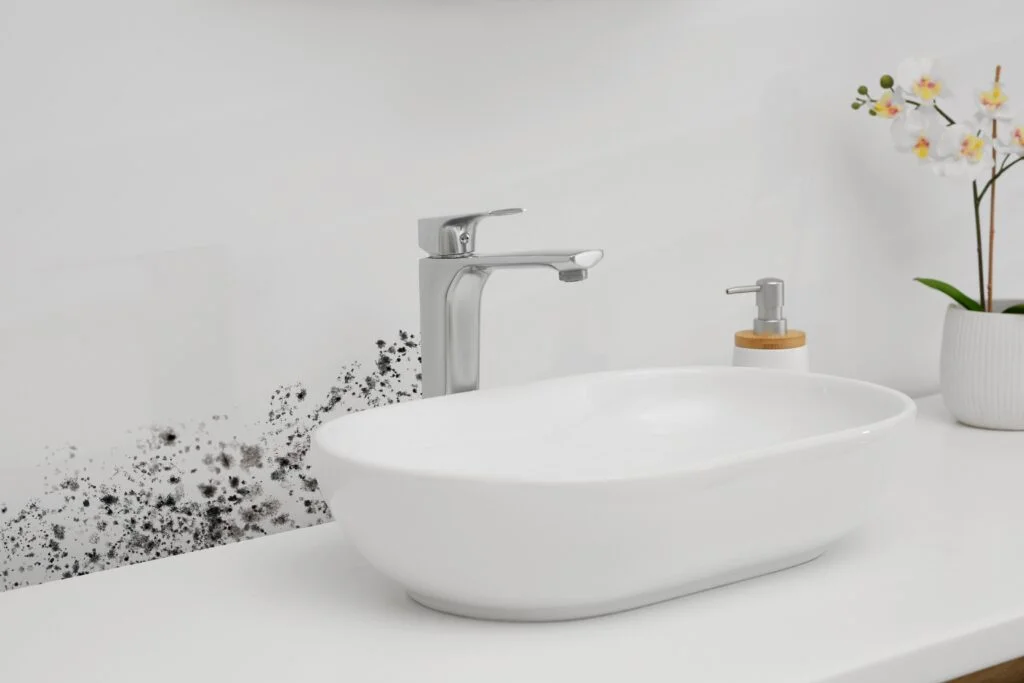
Recognizing the Signs of Mold
Spotting the early signs of mold can prevent extensive damage and health issues. Common indicators include a musty odor, visible mold on furniture or walls, and an increase in allergy-like symptoms among employees. Being proactive in recognizing these signs can save significant health-related costs and operational disruptions.
Commercial Mold Prevention: Why Mold in Offices is a Serious Issue
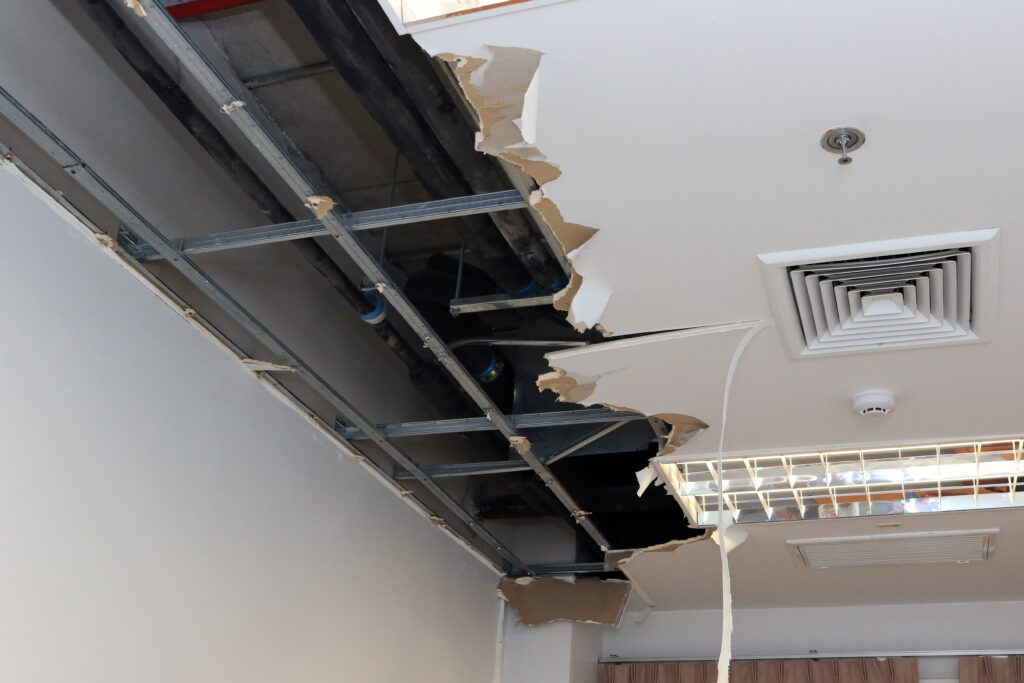
The presence of mold can severely impact employee health, leading to symptoms such as headaches, respiratory problems, and allergic reactions. Beyond health, there’s a tangible impact on productivity and employee morale. Employees working in mold-infected environments may experience increased sick leaves, decreased focus, and overall lower productivity.
Impact on Employee Health and Well-being
Continuous exposure to mold is linked to long-term respiratory problems and other health issues. For businesses, this translates to higher healthcare costs and potential liability issues, highlighting the need for stringent commercial mold prevention measures.
Strategies for Maintaining a Mold-Free Office
Commercial mold prevention in an office environment involves several proactive steps from both management and facilities teams.
- Regular Facility Inspections
Conducting regular inspections to identify potential mold hotspots, such as areas with high humidity levels or water damage, is crucial. ETA Mold offers specialized office mold inspections that can help identify these issues before they escalate.
- Optimizing Humidity and Ventilation
Maintaining humidity levels within the recommended range of 30-50% and ensuring proper ventilation can significantly reduce the risk of mold growth. Use of dehumidifiers and regular maintenance of HVAC systems are practical steps in this direction.
- Immediate Response to Water Incidents
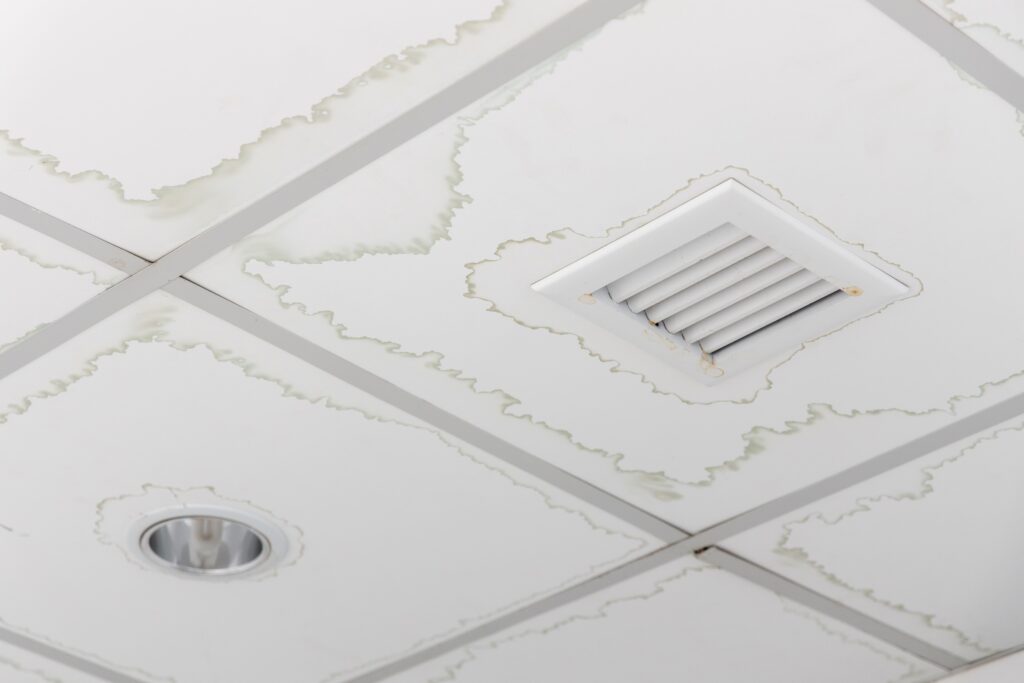
Quickly addressing leaks and spills is essential in preventing mold growth. Establishing a protocol for reporting and responding to water incidents ensures that these issues are dealt with promptly.
ETA Mold’s Role in Ensuring Mold-Free Workspaces
At ETA Mold, we understand the challenges businesses face in maintaining mold-free environments. Our comprehensive services include detailed inspections, effective remediation strategies, and tailored solutions that fit the unique needs of each office space.
Expert Solutions for Complex Problems
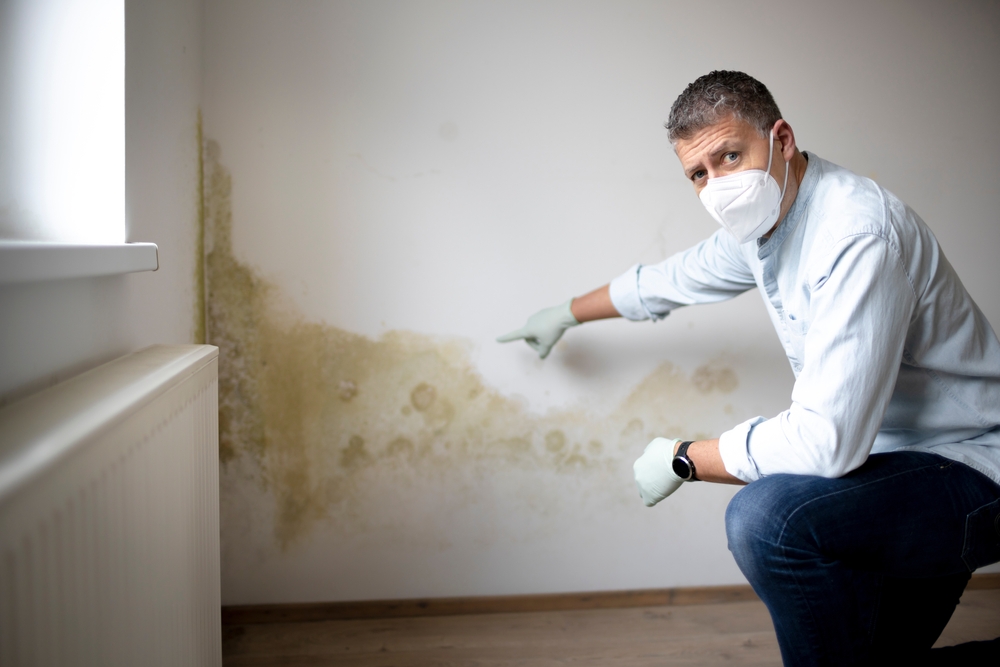
We provide not only remediation but also preventive solutions designed to keep your workspace mold-free in the long term. Our experts are trained in the latest techniques and use state-of-the-art equipment to ensure effective mold management.
Maintaining a mold-free office is essential not only for the health of your employees but also for the overall operational efficiency of your business. Don’t let mold undermine your work environment. Contact ETA Mold today to schedule a professional assessment of your office space. Our team is ready to help you create a healthier, more productive workplace. Schedule your consultation now and take the first step towards a safer, more efficient office environment.
Commercial Mold Prevention: FAQs
1. How does mold impact office employee productivity? Poor indoor air quality caused by mold leads to “Sick Building Syndrome,” resulting in fatigue, headaches, and respiratory issues. This increases employee absenteeism and significantly reduces overall concentration and workplace efficiency.
2. Who is responsible for mold testing in a leased commercial space? Responsibilities are typically defined in the commercial lease agreement. However, building managers must ensure a safe environment. Professional mold testing is the most reliable evidence to determine the source and liability of a moisture issue.
3. Can mold growth damage company electronics and server rooms? Yes. High humidity (above 60%), which triggers mold, can also cause corrosion in delicate circuits and server components. Environmental control is critical for protecting both your staff and your high-value technological assets.
4. Which areas of a commercial building are most prone to mold? Breakrooms, HVAC mechanical rooms, drop ceilings near plumbing lines, and basement record storage areas are common hotspots where professional mold testing often identifies hidden growth.
5. How often should a commercial HVAC system be inspected for mold? In Florida’s climate, a deep inspection is recommended every 6 months. Air ducts are the primary highway for mold spore distribution throughout an office if they are not kept clean and dry.
6. How does regular mold testing help reduce commercial insurance costs? Performing preventive inspections demonstrates due diligence. By using mold testing to catch and mitigate issues early, businesses can avoid costly structural damage claims or health-related lawsuits from employees.
7. What are the ideal humidity levels for a healthy office? To achieve effective commercial mold prevention, relative humidity should be maintained between 30% and 50%. Any level exceeding 60% creates a high-risk environment that requires immediate intervention.
8. Is a deep cleaning enough to permanently remove office mold? Surface cleaning only removes the visible stain. If spores remain in the air or inside wall cavities, the mold will return. Only professional mold testing can confirm if the indoor environment is truly safe for occupancy.