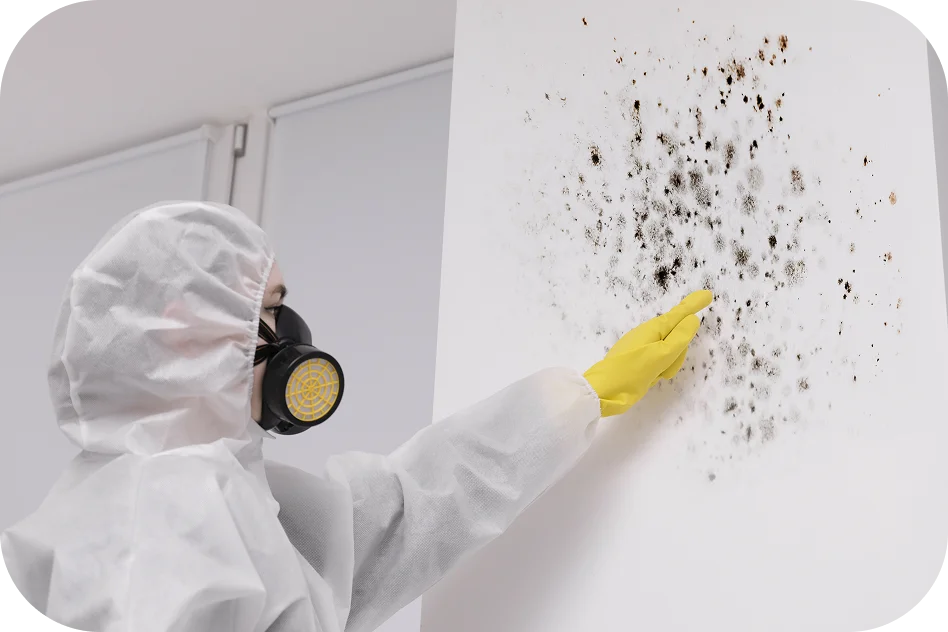

Boat mold prevention is something to consider if you own a boat, work in one, or just for general knowledge when living in the Sunshine State. Ah, the open waters, the salty breeze, and the freedom of sailing – few experiences match the joy of being out on a boat. But amidst the adventure, there’s a silent, sneaky culprit that can spoil the fun: mold. Boat mold is not just unsightly; it can also pose health risks and damage your vessel. In this comprehensive guide, we’ll delve deep into the world of boat mold, exploring its causes, its effects, and, most importantly, how to prevent it from wreaking havoc on your maritime adventures.
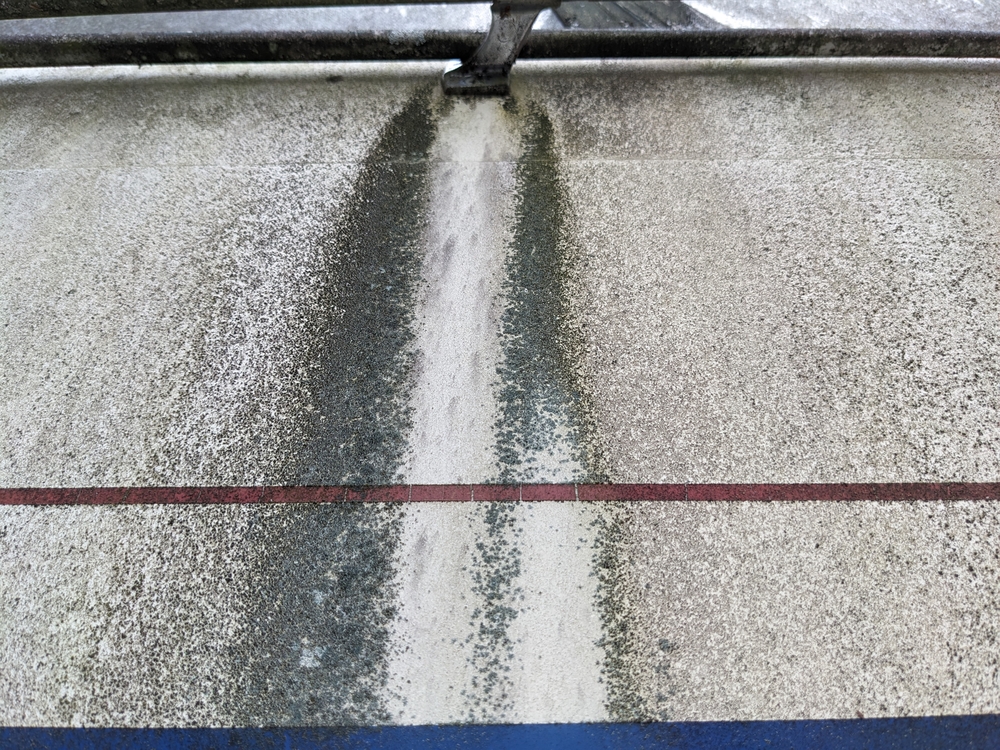
Boat Mold Prevention: Understanding Boat Mold
Before we dive into prevention techniques, let’s take a moment to understand what boat mold is and why it’s a concern. Mold is a type of fungus that thrives in moist, warm environments, making boats, with their confined spaces and exposure to water, a prime breeding ground. Mold damages surfaces and can cause health issues like allergies and respiratory problems. Hence, it’s crucial to tackle it effectively to ensure your vessel’s and its occupants’ safety.
Boat Mold Prevention Tips
- Ventilation is Key
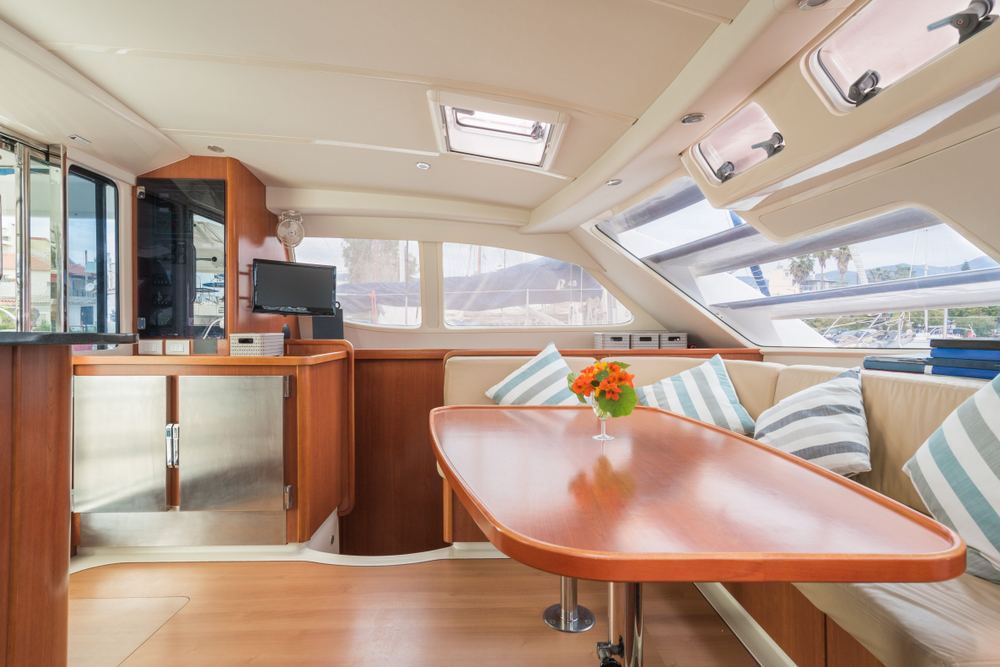
Proper ventilation is the cornerstone of boat mold prevention. Stagnant air allows moisture to accumulate, creating an ideal environment for mold growth. Ensure adequate airflow throughout the vessel, especially in enclosed spaces like cabins, storage compartments, and bilges. Installing vents and fans can help circulate air and reduce humidity levels, inhibiting mold formation. Remember to regularly open hatches and windows when the weather permits to let fresh air in and stale air out.
- Monitor Moisture Levels
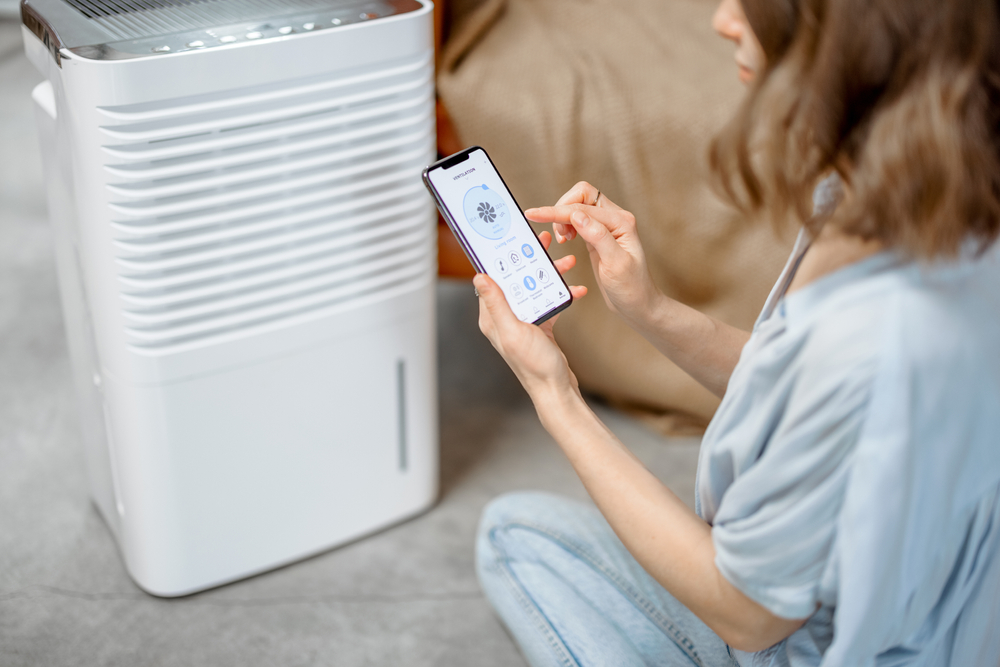
Keeping a close eye on moisture levels aboard your boat is essential for mold prevention. Invest in a quality hygrometer to measure humidity levels, aiming for levels below 50%. Address any leaks or water intrusion promptly to prevent moisture buildup. Be particularly vigilant during rainy seasons or when storing your boat for extended periods. Use moisture-absorbing products like silica gel packs or dehumidifiers to maintain dry conditions in vulnerable areas.
- Regularly Cleaning
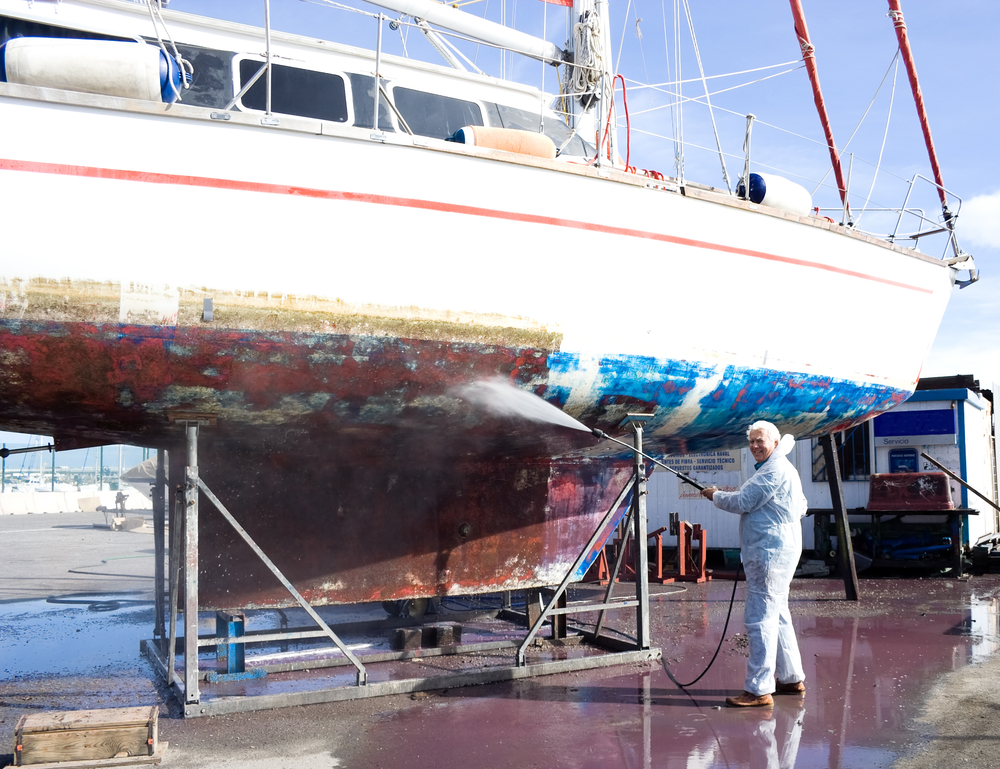
Regular cleaning is vital for preventing mold growth on your boat. Use marine-grade cleaning products and thoroughly scrub surfaces prone to moisture accumulation, such as bilges, hull interiors, and upholstery. Pay special attention to areas with poor ventilation or limited light, as mold thrives in darkness. Remember to clean and dry any wet gear or equipment to prevent mold transfer. Establishing a routine cleaning schedule can help keep mold at bay and preserve the integrity of your vessel.
- Mold-Resistant Materials
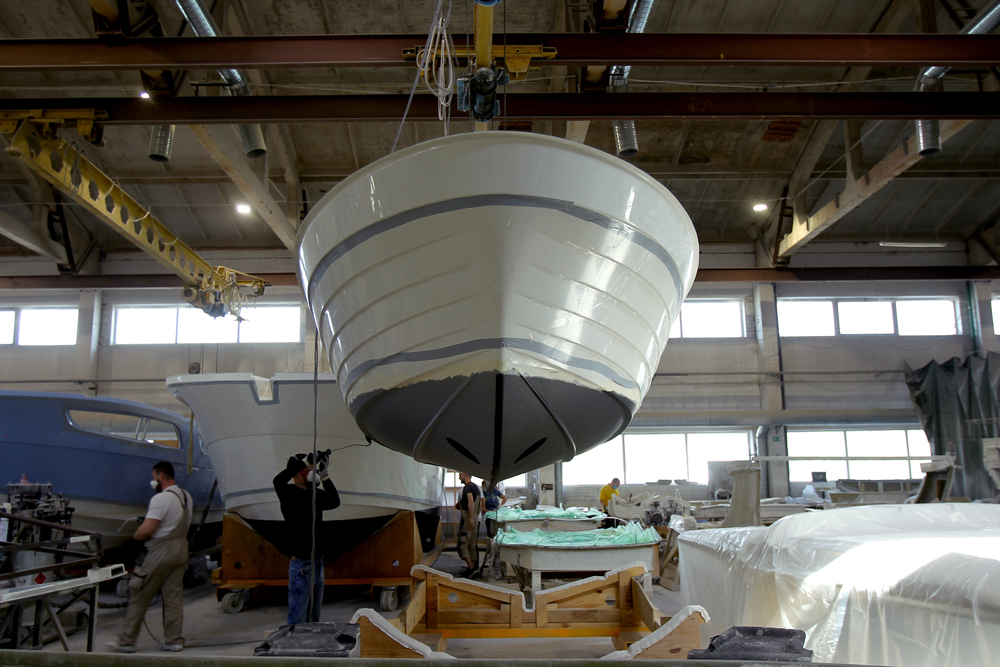
When outfitting or renovating your boat, consider using mold-resistant materials whenever possible. Opt for marine-grade upholstery, fabrics, and flooring specifically designed to withstand moisture and inhibit mold growth. Invest in mold-resistant paint for interior surfaces to provide an additional layer of protection. By choosing the right materials, you can minimize the risk of mold infestation and prolong the lifespan of your boat.
Boat Mold Remediation
Despite best efforts, mold can still find its way onto your boat. Here are steps for effective mold remediation:
Identify Affected Areas
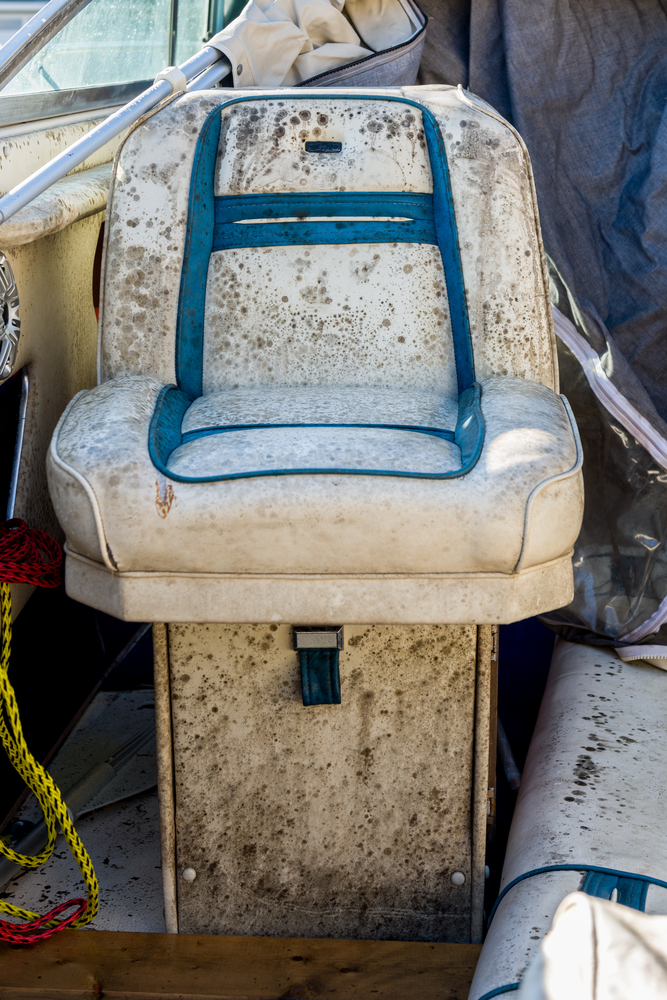
Inspection is the first step in mold remediation. Thoroughly inspect your boat to identify mold-infested areas. Look for telltale signs like musty odors, discoloration, or fuzzy patches on surfaces. Common mold hotspots include cabin interiors, upholstery, and storage compartments. Note any areas that may require special attention or professional assistance.
Remove Mold
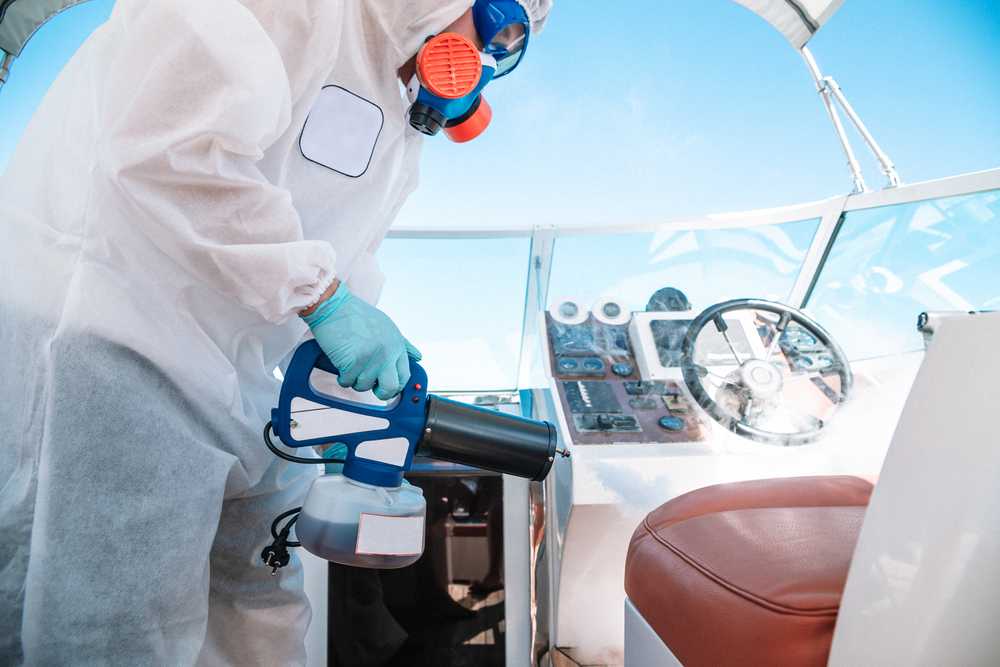
Once identified, it’s crucial to remove mold promptly and thoroughly. Wear protective gear such as gloves, goggles, and a mask to avoid exposure to mold spores. Use a mixture of water and detergent or specialized marine mold cleaners to scrub affected surfaces. Stubborn mold may require stronger remedies like vinegar or hydrogen peroxide solutions. Thoroughly clean and disinfect all surfaces to ensure complete eradication of mold spores. But, the best advice is to contact an expert company like ETA to assist you with your property.
Dry Thoroughly
After cleaning, ensure all surfaces are thoroughly dried to prevent mold regrowth. Use fans, heaters, or dehumidifiers to expedite the drying process, and leave hatches and windows open to encourage airflow. Inspect hidden or hard-to-reach areas to ensure no moisture remains trapped. Proper drying is essential for preventing mold recurrence and preserving the structural integrity of your vessel.
Prevent Future Growth
Once the mold is eradicated, take proactive measures to prevent its return. Implement preventive measures like those outlined in the boat mold prevention section. Regularly inspect and maintain your boat to address any potential moisture sources promptly. Consider using mold inhibitors or moisture-absorbing products in vulnerable areas to create an inhospitable environment for mold growth. By staying vigilant and proactive, you can keep your vessel mold-free and ready for your next maritime adventure.
Conclusion
Maintaining a mold-free boat requires diligence, dedication, and proactive measures. By prioritizing ventilation, monitoring moisture levels, and implementing regular cleaning routines, you can significantly reduce the risk of mold infestation and preserve the integrity of your vessel. In the unfortunate event of mold growth, swift and thorough remediation is essential to safeguard both your boat and your health. With these essential tips in mind, you can confidently embark on your maritime adventures, knowing your vessel is free from the clutches of mold. Fair winds and smooth sailing await!
Boat Mold Prevention: FAQs
Why is mold so common on boats in Florida? Florida’s high humidity, frequent rain, and the closed environment of a boat create the perfect “greenhouse effect” for mold to thrive.
What are the first signs of mold growth on a vessel? The most common signs are a persistent musty odor, small dark spots on upholstery, and damp-feeling surfaces or fabrics inside the cabin.
How can I improve ventilation when my boat is docked? Use solar-powered vents, leave interior doors and lockers open for airflow, and if connected to shore power, use a marine-grade dehumidifier.
What is the ideal humidity level for a boat cabin? To prevent mold growth, you should aim to keep the relative humidity inside your boat’s cabin below 50%.
Can mold damage the structure of my boat? Yes. Over time, mold can degrade wood, damage expensive upholstery, and even cause permanent staining and odors on fiberglass surfaces.
Are there health risks associated with mold on boats? Absolutely. Mold spores in a confined space like a cabin can trigger allergies, asthma attacks, and other respiratory issues for passengers and crew.
How often should I clean my boat to prevent mold? In Florida’s climate, a deep cleaning of moisture-prone areas (bilges, bathrooms, and lockers) should be done at least once a month.
Should I use a cover on my boat to prevent mold? Covers protect from rain, but they can trap moisture if they aren’t breathable. Ensure your cover has built-in vents to allow air circulation.
What should I do if I find black mold on my boat? Small areas can be cleaned with marine-grade cleaners, but for extensive growth, professional mold testing and remediation are recommended to ensure all spores are removed.
Does ETA Mold offer marine-specific services? Yes, we specialize in Marine Mold Inspection and Testing throughout Florida to help you identify hidden moisture issues and keep your vessel healthy.