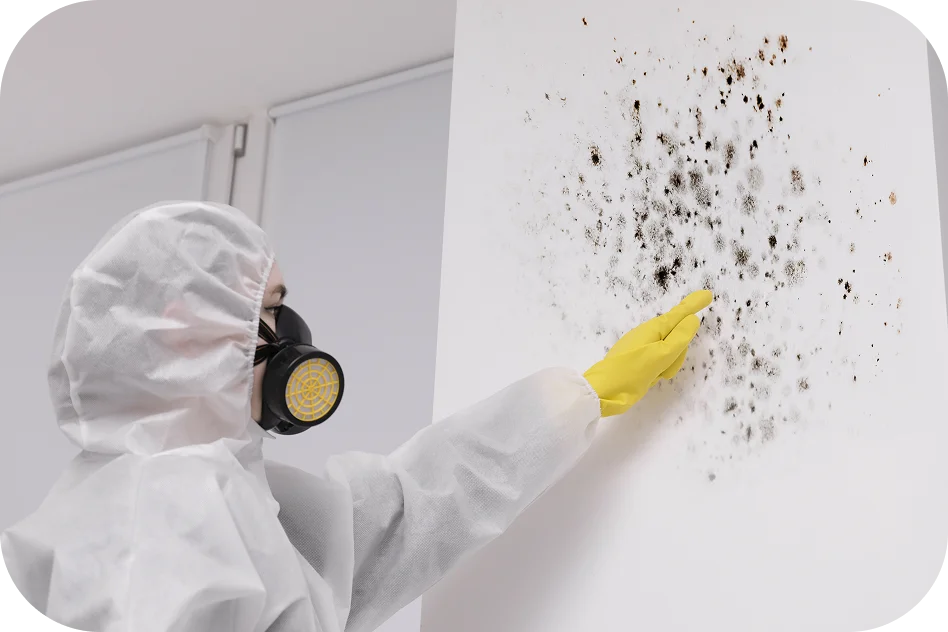

In the vast panorama of home maintenance, mold prevention is a silent guardian against potential health risks and structural damages. Especially in humid regions like Florida, the presence of mold can quickly escalate from a minor issue to a full-blown problem. ETA Mold in Florida witnesses countless homeowners inadvertently making crucial errors compromising their home’s integrity. This article highlights these pitfalls and arms homeowners with mold prevention tips to preserve their health and homes.
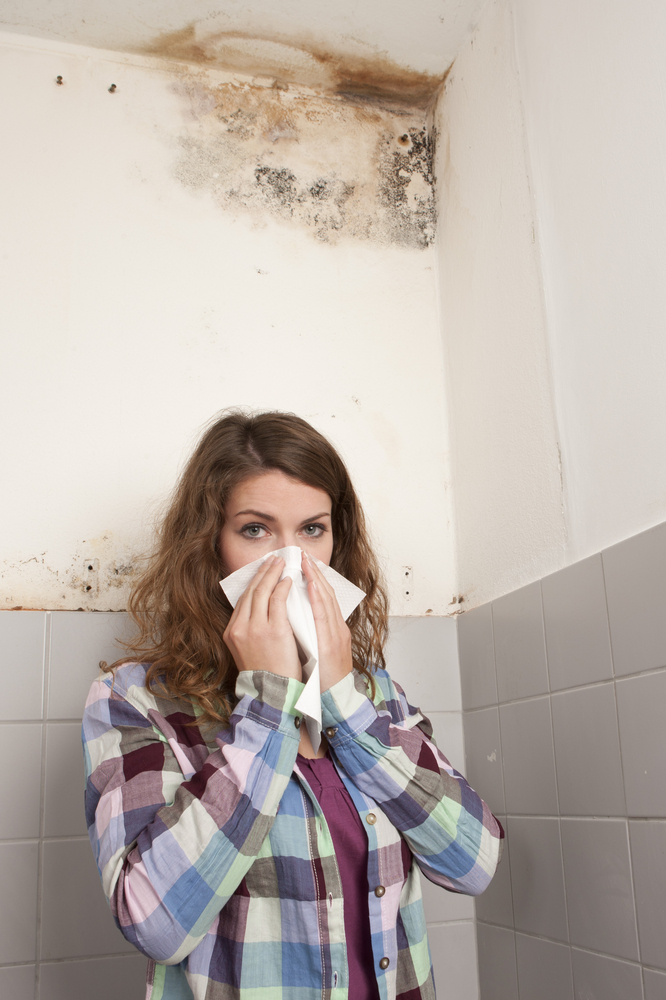
Mold Prevention Tips
Assuming All Mold Is Harmless
- The Mistake: Dismissing mold based on its appearance or location.
- The Reality: Mold comes in various types and colors. Even if it isn’t the dreaded black mold, it can still impact health and property. Not all molds are visible immediately; some types, like black mold, can pose significant health risks.
- Mold Prevention Tips: Avoid making visual judgments. Regularly check hidden areas like behind furniture, under sinks, and basements. If you’re unsure about a potential mold issue, consult with professionals.
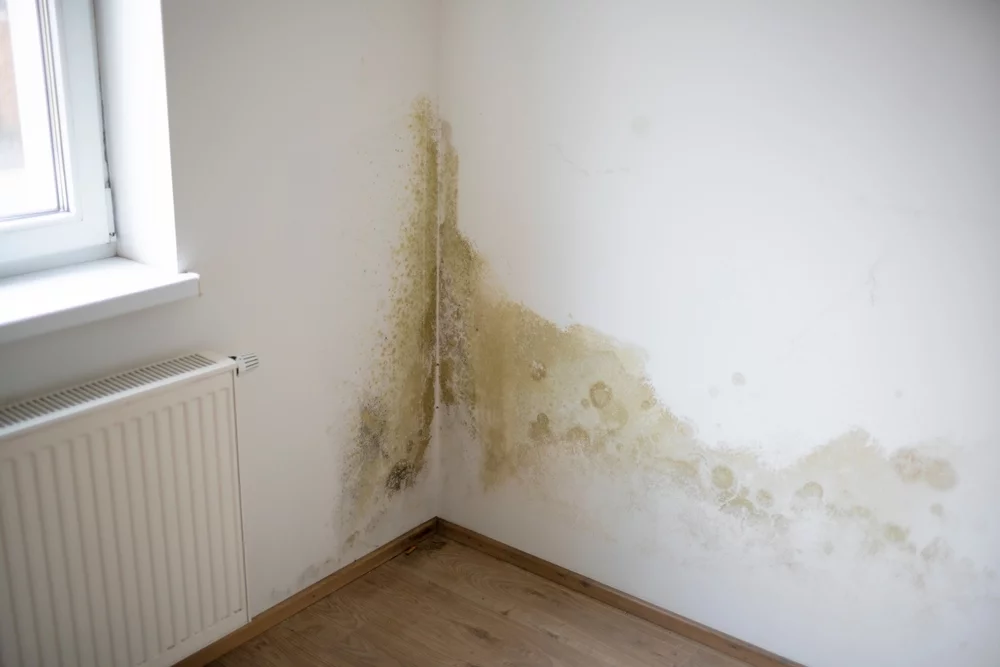
Overlooking Proper Ventilation
- The Mistake: Neglecting to ventilate bathrooms, kitchens, and other high-humidity areas.
- The Reality: Poor ventilation can create a perfect breeding ground for mold. Florida’s high humidity can make this problem even more severe.
Mold Prevention Tips:
- Install exhaust fans in bathrooms and kitchens.
- Use dehumidifiers in high-humidity areas.
- Open windows periodically to allow fresh air in.

Ignoring Minor Leaks
- The Mistake: Believing that small leaks aren’t urgent because there’s no immediate flooding or visible damage.
- The Reality: These minor leaks create moist environments – a haven for mold growth. Over time, they can lead to substantial structural damage.
- Mold Prevention Tips: Don’t wait for visible damages. Proactively check common leak sites like roofs, pipes, and windows, especially after heavy rainfall.
Using Bleach for Mold Cleaning
- The Mistake: Resorting to bleach for every mold cleanup without understanding its limitations.
- The Reality: Bleach can disinfect surfaces but doesn’t always penetrate porous materials, allowing mold to regrow on porous surfaces like wood.
- Mold Prevention Tips: Research or seek advice on mold-specific cleaners. For severe infestations, consider professional mold remediation services.

Skipping Professional Inspections
- The Mistake: Relying solely on DIY methods and tools.
- The Reality: Companies like ETA Mold in Florida utilize advanced equipment and have years of expertise to pinpoint mold issues that might elude an untrained eye.
- Mold Prevention Tips: Schedule regular professional inspections. This becomes even more crucial if your home has a history of mold or if there’s been recent water damage.
Not Understanding the Impact of Landscaping
- The Mistake: Focusing solely on the aesthetics of landscaping without considering its functional role.
- The Reality: Landscaping can help keep water away or direct it toward your home, significantly influencing mold risks.
- Mold Prevention Tips: Collaborate with landscaping experts who can design while keeping drainage and moisture control in mind.

Overlooking the Importance of Regular Cleaning
- The Mistake: Believing that only visibly dirty or dusty areas need cleaning.
- The Reality: Dust and dirt often carry mold spores. Regular cleaning can help reduce the chances of these spores finding a damp spot and proliferating.
- Mold Prevention Tips: Establish a cleaning routine that encompasses all areas of the house, including less frequented ones. Ensure that damp areas, like bathrooms, are dried thoroughly after cleaning.
Additional Point: Neglecting Home Maintenance
- The Mistake: Postponing or overlooking routine home maintenance tasks.
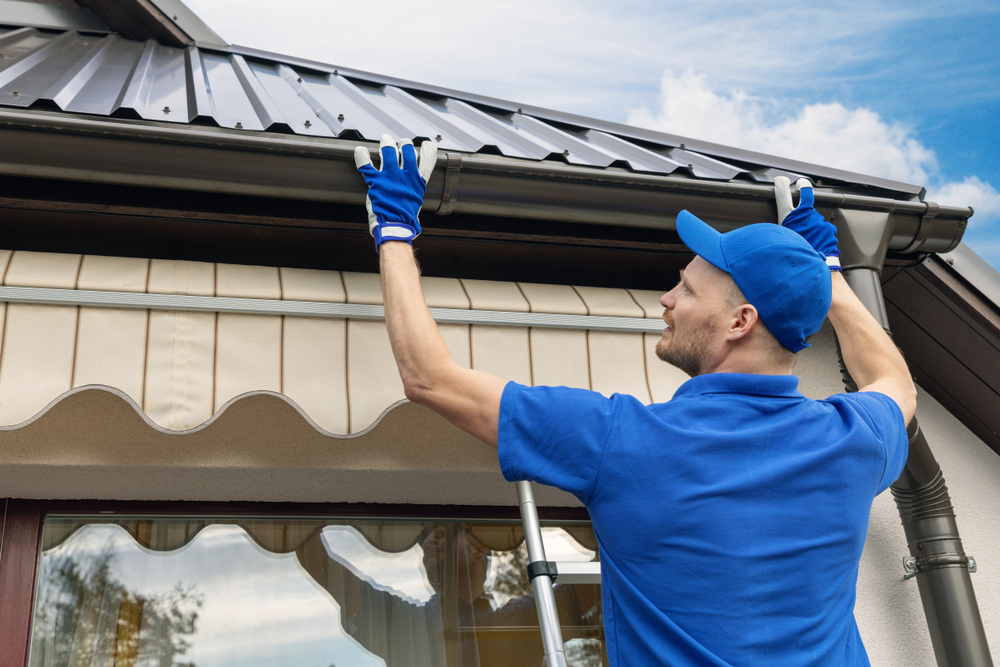
- The Reality: Regular maintenance: cleaning gutters or checking for roof damages can prevent water accumulation and mold growth.
- Mold Prevention Tips: Set reminders for seasonal home checkups. Address issues promptly, even if they seem minor.
Conclusion
While mold might seem trivial, its potential damages are vast, especially in high-humidity areas like Florida. By being proactive and informed, homeowners can avoid the common pitfalls associated with mold. Remember, in times of uncertainty, expert guidance from ETA Mold can offer invaluable insights to ensure your home remains a safe sanctuary.
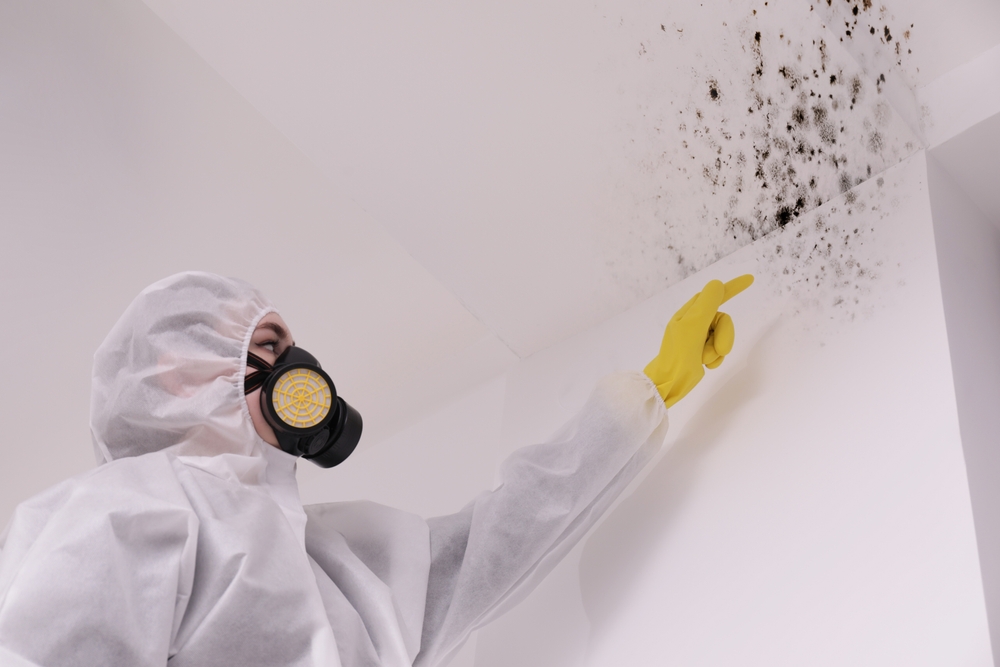
10 FAQs About Mold Prevention Tips for Homeowners
1. What are the first signs of mold in a home?
Early signs include musty odors, discoloration on walls or ceilings, and persistent allergy-like symptoms in occupants.
2. How often should homeowners check for mold?
Inspect your home every 3 to 6 months, especially after heavy rain, plumbing leaks, or humidity spikes.
3. Can mold grow even in air-conditioned homes?
Yes. Air conditioners reduce humidity but can also harbor mold if filters and ducts aren’t cleaned regularly.
4. What humidity level prevents mold growth?
Keep indoor humidity between 30% and 50% using dehumidifiers and proper ventilation to prevent mold spores from thriving.
5. Is bleach effective for cleaning mold?
Bleach kills surface mold but doesn’t penetrate porous materials like drywall or wood. Use professional-grade cleaners or hire experts.
6. How can landscaping affect mold growth in a home?
Improper grading or clogged gutters can trap water near foundations, leading to moisture seepage and potential mold issues.
7. Should I hire professionals for mold inspection?
Yes, especially after water damage or visible mold growth. Experts use tools like moisture meters and infrared cameras to detect hidden mold.
8. What materials in a home are most prone to mold?
Mold often grows on wood, drywall, carpets, insulation, and fabrics—all of which trap moisture easily.
9. How can homeowners prevent mold after flooding?
Dry affected areas within 24-48 hours, remove soaked materials, disinfect surfaces, and use industrial dehumidifiers if possible.
10. Can regular cleaning reduce mold risk?
Absolutely. Routine cleaning removes dust and organic matter that mold spores feed on. Always dry wet surfaces thoroughly.