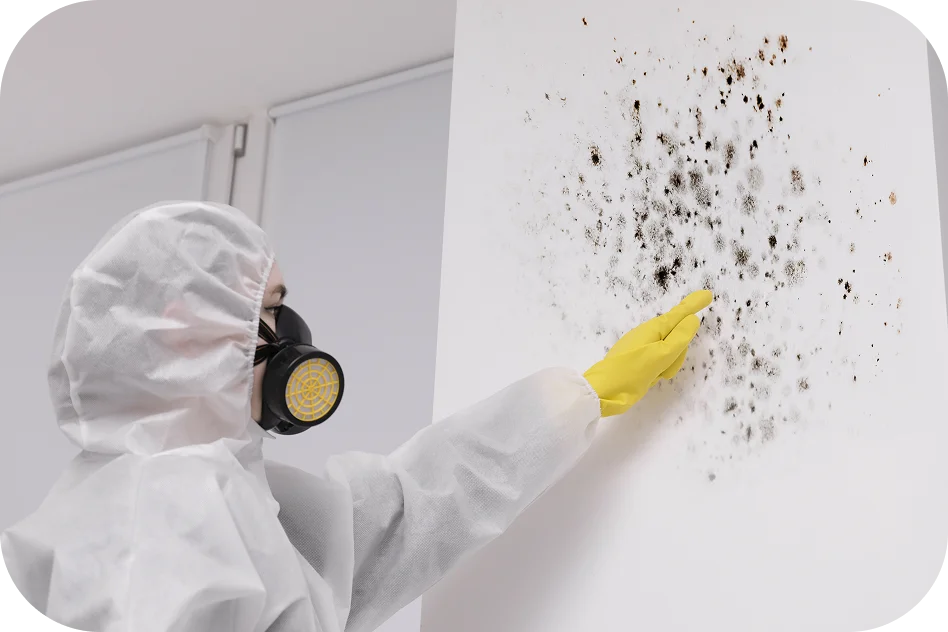

Indoor air quality plays a big role in your comfort, health, and overall well-being. Many people spend most of their time indoors, so it makes sense to understand what is floating in the air around you. Poor indoor air quality can lead to headaches, allergies, coughing, fatigue, breathing issues, and even long term health concerns if the problem is not addressed. The good news is that testing the air in a single room is simple once you know what to look for.
This guide walks you step by step through how to test air quality in a room, what tools you can use, what the results mean, and when you should take action. The goal is to give you clear information that anyone can understand and follow.
Why It Is Important to Test the Air in a Room
Many indoor contaminants cannot be seen or smelled. You might feel fine one day and uncomfortable the next without knowing why. Testing the air can uncover hidden issues such as:
- High dust or particulate levels
- Mold spores
- High humidity that encourages mold growth
- Volatile organic compounds, also called VOCs
- Carbon monoxide
- Odors from building materials or furniture
- Pollutants entering from outside
- Poor ventilation
When you test the air, you learn what is present and how serious it is. This allows you to fix issues before they turn into health problems or damage your home.
Step 1: Know What Contaminants You Are Checking For
Indoor air quality includes several types of pollutants. Before testing a room, decide what you want to check for. Here are the most common categories.
Particulates
These include dust, pet dander, pollen, smoke, and tiny particles from cooking or candles. High levels can trigger allergies and breathing problems.
Mold
Mold releases spores into the air. These spores grow when humidity is too high or when moisture is trapped behind walls or under floors.
VOCs
Volatile organic compounds come from paints, glues, cleaners, furniture finishes, fragrances, and new building materials. Some VOCs can cause headaches or nausea, and long term exposure may be harmful.
Carbon Monoxide
This is a dangerous gas with no smell or color. It comes from fuel burning appliances such as stoves, fireplaces, and heaters.
Humidity Levels
Humidity affects comfort and mold growth. High humidity encourages mold. Very low humidity can cause dry skin and irritation.
Carbon Dioxide
This builds up in rooms with poor ventilation and can make you feel tired or unfocused. Once you know what you want to check, you can choose the right testing method.
Step 2: Use a Home Air Quality Monitor
One of the easiest ways to test air quality in a room is to use a digital air quality monitor. These devices measure multiple pollutants at once and give instant readings.
What a Home Monitor Can Measure
Most monitors check for:
- Particulate matter (PM2.5 and PM10)
- VOCs
- Carbon dioxide
- Humidity and temperature
Some advanced models also measure carbon monoxide and formaldehyde.
How to Use a Home Monitor
- Place the device in the center of the room or on a table where air flows freely.
- Avoid placing it directly next to windows, vents, candles, or appliances.
- Let the device run for several hours.
- Track the readings over a full day if possible.
- Compare the numbers to recommended safe levels.
Home monitors are helpful for everyday monitoring and long term tracking.
Step 3: Test for Mold
If you suspect mold or notice musty odors, consider testing specifically for mold spores. There are several ways to test a room.
Mold Test Kits
Home mold kits usually include a dish that collects mold spores from the air. You leave the dish open in the room for a set amount of time, then seal it and send it to a lab. The lab reports which types of mold are present and how much.
The steps are simple:
- Open the test plate in the room.
- Leave it open for the time listed in the instructions.
- Seal the plate and mail it to the lab.
- Wait for the report.
Tape Lift Samples
Some kits include a sticky tape strip that you press lightly against a surface such as a wall or vent. The tape collects spores and particles that the lab can analyze.
Professional Mold Testing
If you need more accurate results or suspect hidden mold behind walls, a professional inspection is the best choice. Professionals use tools like moisture meters, thermal cameras, and air pumps that collect spores with greater precision.
Step 4: Check Humidity Levels
Humidity affects more than comfort. It is one of the biggest factors in indoor mold growth. Ideal indoor humidity is between 30 percent and 50 percent.
To test humidity:
- Use a digital hygrometer. Many air quality monitors include this.
- Place it in the room and wait for the reading to stabilize.
- Take readings at different times of the day.
If the readings stay above 60 percent, the room may be at risk for mold growth. If humidity is below 30 percent, the air may be too dry.
Step 5: Test for VOCs
VOCs can come from furniture, paint, new flooring, cleaning products, and even air fresheners. Some home monitors include VOC sensors, but if you want highly accurate results, lab based kits are available.
VOC Test Kits
These kits work by absorbing air through a small cartridge or badge that you send to a lab.
The process is simple:
- Place the VOC badge in the room.
- Leave it in place for the recommended number of hours.
- Seal it and send it to the lab.
- View your results online.
The lab report will list VOC levels and identify which compounds are present.
Step 6: Check for Carbon Monoxide
Carbon monoxide is dangerous, so every home should have a carbon monoxide detector. If the room has a gas heater, fireplace, or fuel burning appliance nearby, testing is especially important.
To test for carbon monoxide:
- Install a carbon monoxide detector in or near the room.
- Make sure you test the device regularly using the test button.
- If the alarm goes off, leave the building and contact emergency services.
Some advanced air monitors also measure carbon monoxide, but a dedicated detector is the safest option.
Step 7: Check for Poor Ventilation
Even if the air appears clean, poor ventilation can cause high carbon dioxide levels and general stuffiness. Testing for carbon dioxide helps you understand how well the room clears out stale air.
How to Test Ventilation
- Use an air quality monitor with a carbon dioxide sensor.
- Place it in the room and let it run.
- Check the readings after the room has been closed for a while and again after opening a window.
Carbon dioxide levels above 1500 parts per million often mean the room needs better airflow.
Step 8: Use DIY Methods for Basic Clues
While digital monitors and lab tests are the most accurate, simple observations can also help you test indoor air quality.
Signs of Dust and Particulate Issues
- Dust gathers quickly on surfaces
- Sunlight reveals floating particles
- You sneeze or cough more in the room
Signs of Mold
- Musty or damp smell
- Water stains or discoloration
- Peeling paint or bubbling walls
- Visible spots on walls, ceilings, or furniture
Signs of VOCs
- Strong chemical smell after painting or cleaning
- Headaches or eye irritation that get worse indoors
These clues are not enough on their own, but they can tell you where to start.
Step 9: Consider Professional Air Quality Testing
If you want detailed data or have health concerns, hiring a professional is the most thorough option. Professionals use high grade equipment such as:
- Air pumps that collect particles
- Infrared cameras to find moisture
- VOC analyzers
- Carbon monoxide and radon detectors
A professional inspection provides a full report with recommendations tailored to your specific room.

Step 10: Interpret the Results
Once you complete the testing, make sure you understand what the numbers mean.
Safe Levels to Aim For
- PM2.5: Below 12 micrograms per cubic meter
- PM10: Below 50 micrograms per cubic meter
- Humidity: Between 30 percent and 50 percent
- Carbon dioxide: Below 1000 parts per million for comfort
- VOCs: As low as possible, ideally below recommended limits from your lab report
If your numbers are consistently above these ranges, take corrective action.
Step 11: Improve the Air Based on What You Found
Testing is only the first step. Once you know what is in the air, focus on improving it.
Ways to Improve Indoor Air
- Increase ventilation by opening windows
- Use exhaust fans in kitchens and bathrooms
- Add air purifiers with HEPA filters
- Keep humidity between 30 percent and 50 percent
- Fix leaks that cause moisture
- Clean vents and replace filters regularly
- Choose low VOC paints and cleaning products
Making even small changes can dramatically improve the air in a room.
Conclusion
Testing the air quality in a room is easier than most people realize. Whether you use a basic air quality monitor, a mold test kit, a VOC badge, or a full professional inspection, each method gives you valuable information about what is in the air you breathe. With the results in hand, you can take practical steps to create a healthier and more comfortable indoor environment.
If you need help interpreting your results or want more information about mold, particulates, or indoor pollutants, ETA can help you understand what your next steps should be.