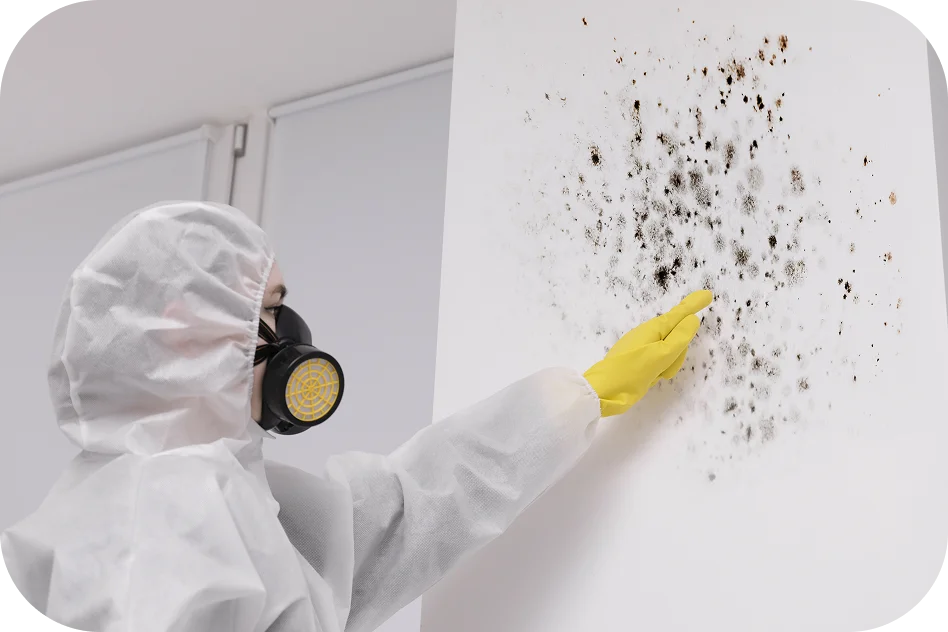

As a homeowner or business owner, one of the worst-case scenarios you might face is dealing with the aftermath of a house flood. It’s an overwhelming situation that needs immediate attention to prevent further damage. Here is a step-by-step guide on what to do if your house floods, from immediate actions to post-flood cleanup and prevention of mold growth.
Flooding in Florida: What Should I Do?
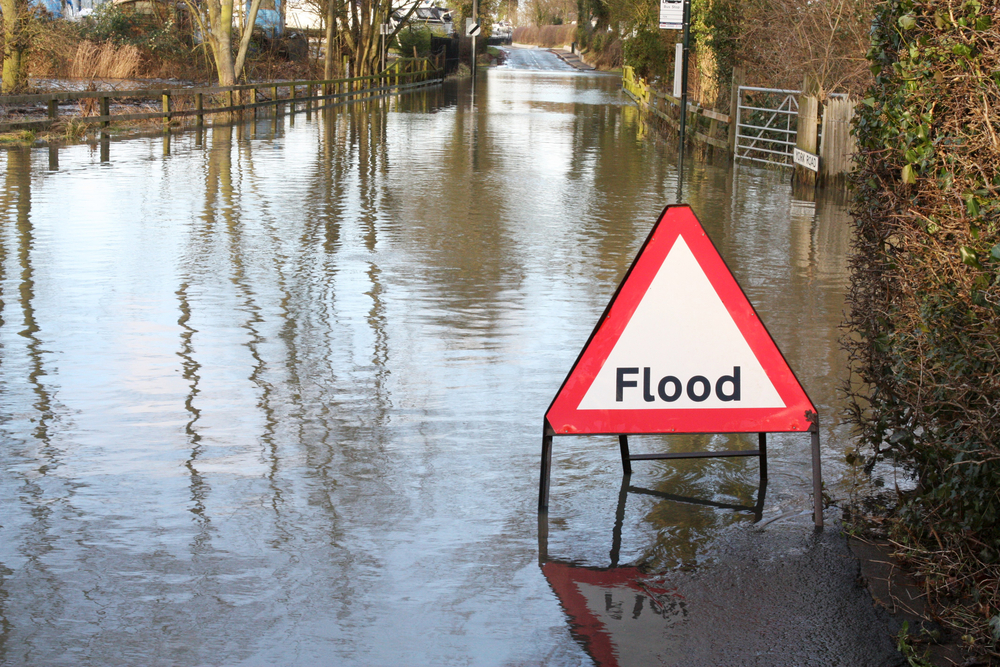
From Miami’s skyscrapers to the tranquil streets of Tallahassee, Florida’s unique and diverse beauty is undeniable. However, living in the Sunshine State also comes with its share of challenges – particularly the recurring threat of hurricanes and severe weather conditions. Every year, thousands of homeowners and businesses face the daunting reality of property flooding, leading to significant water damage.
Water damage from flooding is a significant concern in Florida. Not only does it cause immediate destruction to properties, but the aftermath can also pose serious health and safety risks if not addressed promptly and appropriately. Whether it’s a torrential downpour from a seasonal storm or the catastrophic effects of a hurricane, when your house floods, swift and efficient action is key to mitigating the damage and ensuring your home’s long-term health.
In this blog post, we aim to equip you with the knowledge you need to navigate these trying times. We’ll take you through the critical steps to take immediately after your house floods, how to properly dry out and restore your home, and perhaps most importantly, how to prevent the growth of mold. This insidious secondary disaster can pose serious health risks. Here is our step-by-step guide on what to do if your house floods.

Immediate Actions When Your House Floods
The first minutes after a flood are crucial for preventing further damage. Here are a few critical steps you should take.
Turn Off Electricity
For your safety, the first step when your house floods is to turn off the electricity. If the floodwaters are high and you have to wade through the water to reach the main switch, leaving this task to a professional electrician is safer.
Evacuate the Premises
If the flooding is extensive, it’s best to evacuate your home or business premises until the situation is under control. You can return when the authorities declare it safe.
Document the Damage
Documentation is crucial for insurance purposes. Take photographs and videos of the affected areas. Document not only the extent of the water damage but also the belongings affected. This will help substantiate your insurance claims later.
Contact Insurance Providers
Notify your insurance provider about the flood as soon as possible. They will guide you on the necessary steps for filing a claim. They may also suggest water damage restoration companies assist with the cleanup.
Cleanup and Restoration After House Floods
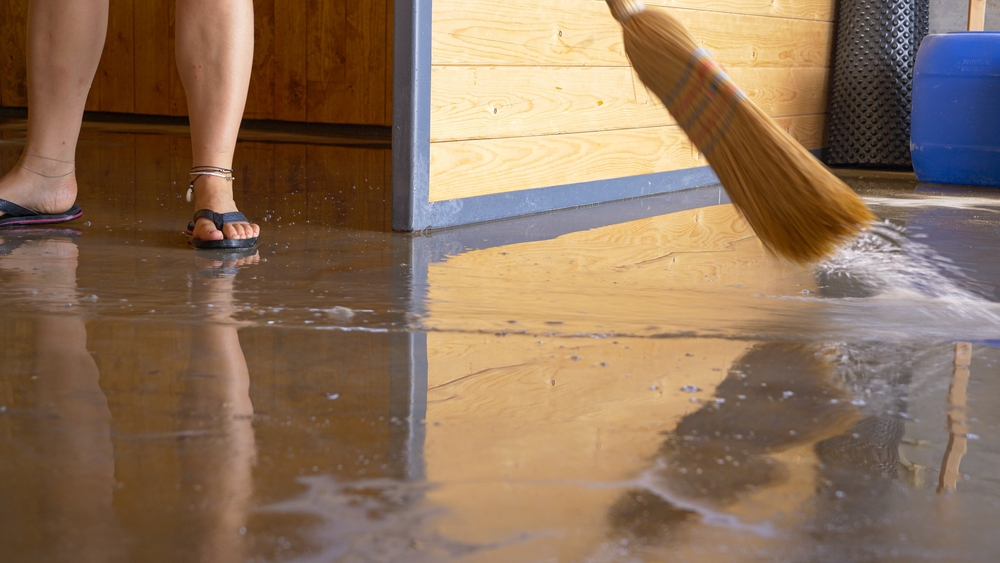
Once the immediate crisis has been managed, the next stage of recovery begins. Here’s how to go about it.
Water Removal
Using pumps or wet vacuums, remove the standing water from your home. You may need to hire professionals for this task, especially if the flooding is extensive.
Dry Out the Affected Areas
Drying out the flooded area is crucial to prevent the growth of mold and mildew. This involves using fans, dehumidifiers, and heaters. In severe cases, you may need to hire a professional restoration company to dry out all areas thoroughly.
Cleaning and Disinfection
All surfaces touched by floodwater should be cleaned and disinfected to remove any harmful bacteria and other contaminants. Wear appropriate protective clothing during this process, including gloves and masks.
Repair and Restoration
Once everything is clean and dry, it’s time for repairs and restoration. This may include replacing drywall, flooring, and other damaged fixtures. Hiring a professional restoration company can ensure the job is done correctly and safely.
Preventing Mold Growth After House Floods
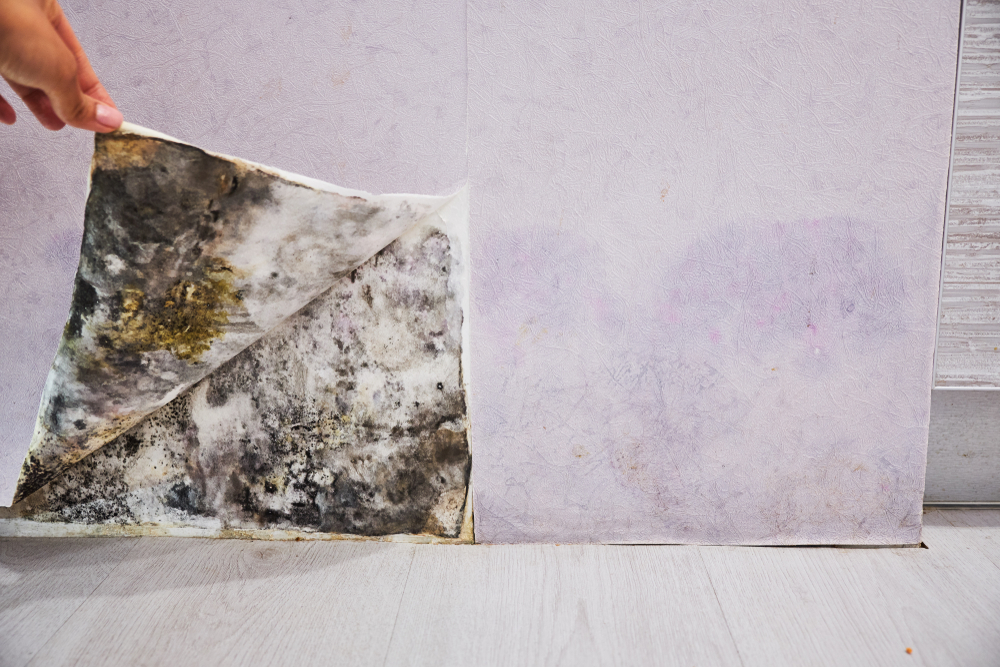
Mold can start to grow within 24–48 hours after a flood, so it’s crucial to act swiftly to prevent it.
Keep the Area Dry
Mold needs moisture to grow. Therefore, keeping the area dry is crucial to mold prevention. Ensure all areas are thoroughly dried out, and use dehumidifiers to control the humidity levels.
Remove Porous Materials
Mold spores can infiltrate porous materials like carpets, drywall, and insulation. If floodwaters have soaked these materials, removing and replacing them is best to prevent mold growth.
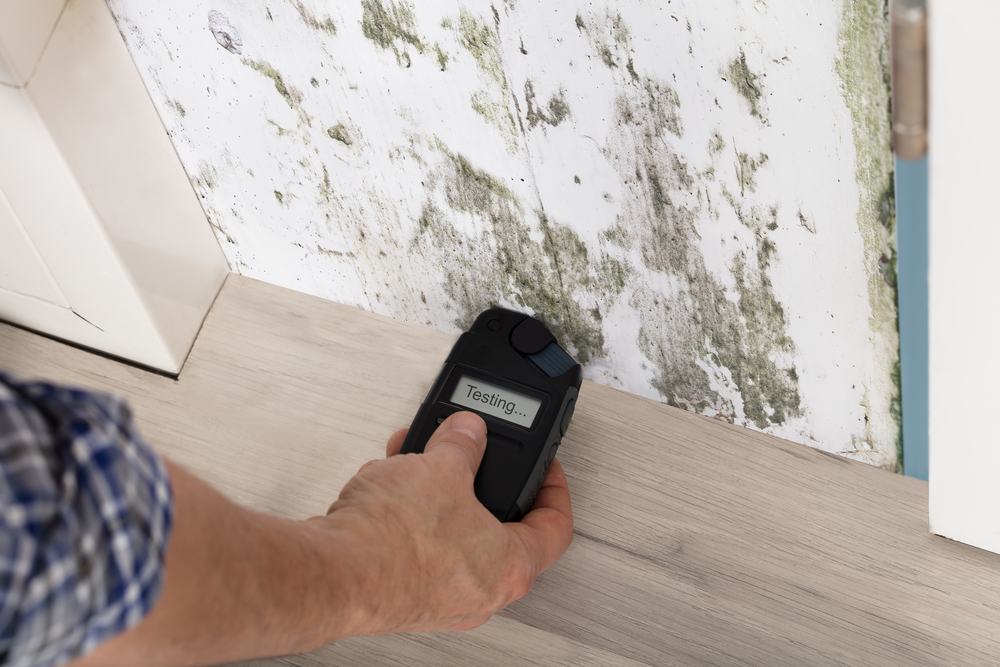
Hire a Professional Mold Inspection Company
Ensuring that every nook and cranny of your home is mold-free can be difficult. Professional mold inspection companies, like ETA Mold, have the expertise and equipment to detect mold. They can help ensure your home is safe and healthy after a flood.
In Conclusion
House floods can be devastating, but knowing what to do when it happens can mitigate the damage and hasten recovery. Safety comes first, and it’s crucial to act swiftly to prevent mold growth. And when in doubt, professional help is always available.
House flooding is a scenario none of us want to experience. But, if we do, knowing the correct procedures can help turn a crisis into a manageable situation. Stay safe, and remember to reach out for professional help when you need it.
FAQs: What to Do If My House Floods
1. Is Floodwater Different from a Burst Pipe Leak? Why Does That Matter?
Yes, floodwater from outside sources (like hurricanes) often contains more contaminants (sewage, chemicals) than a burst pipe leak. This distinction is crucial because it dictates more stringent disinfection protocols and professional cleanup needs to protect health.
2. Beyond the Obvious: What Hidden Areas Should I Check for Water Damage After a Flood?
Always inspect behind baseboards, under appliances, inside wall cavities (especially if drywall feels soft), in crawl spaces, and within heating/cooling ducts. These hidden spots are prime locations for undetected moisture and subsequent mold growth.
3. My Power is Out After a Flood. How Can I Start Drying My Home Safely Without Electricity?
Prioritize opening windows and doors to create cross-ventilation. If safe, use battery-operated fans. Focus on removing all standing water by hand (buckets, mops) and salvaging items to a drier location. Professional services often have generators for their equipment.
4. How Do I Know If My Personal Belongings Are Salvageable After Floodwater Exposure?
Porous items like mattresses, upholstered furniture, and most carpets are usually unsalvageable if soaked in floodwater due to high contamination risk and mold potential. Non-porous items (metal, plastic) can often be cleaned and disinfected if thoroughly dried.
5. What’s the Biggest Mistake Homeowners Make When Drying Out a Flooded Home?
The biggest mistake is assuming everything is dry just because it looks dry. Moisture often remains hidden in walls, subfloors, and insulation, leading to insidious mold growth. Professional moisture meters are essential for accurate drying.
6. My Insurance Company Is Slow. What Immediate Actions Can I Take to Minimize My Losses While I Wait?
Focus on mitigation: safely remove standing water, start the drying process with fans, remove clearly saturated porous materials, and take extensive photos/videos. This shows you’re minimizing further damage, which insurers appreciate.
7. Can I Use Bleach to Kill Mold After a Flood?
Bleach can kill mold on non-porous surfaces, but it often isn’t effective on porous materials as it doesn’t penetrate deeply enough to kill the roots, and the water content of bleach can exacerbate moisture issues. Professionals use specialized antimicrobial solutions.
8. What Long-Term Health Risks Could Undetected Mold from a Flood Pose to My Family?
Beyond immediate allergic reactions, undetected mold can lead to chronic respiratory problems, persistent coughing, asthma exacerbation, skin irritations, and even neurological issues in sensitive individuals, impacting long-term well-being.
9. After a Flood, When Should I Consider a Professional Mold Inspection Versus a DIY Check?
Always consider a professional mold inspection if flooding was extensive, water sat for over 24 hours, you notice a musty odor (even without visible mold), or if anyone in your household experiences persistent flood-related health symptoms.
10. What Role Does Humidity Play in Post-Flood Mold Growth, Even After Water Is Removed?
Even after visible water is gone, high indoor humidity (common in Florida) provides the remaining moisture mold needs to thrive. Using dehumidifiers is crucial to actively pull moisture from the air and prevent mold re-growth.