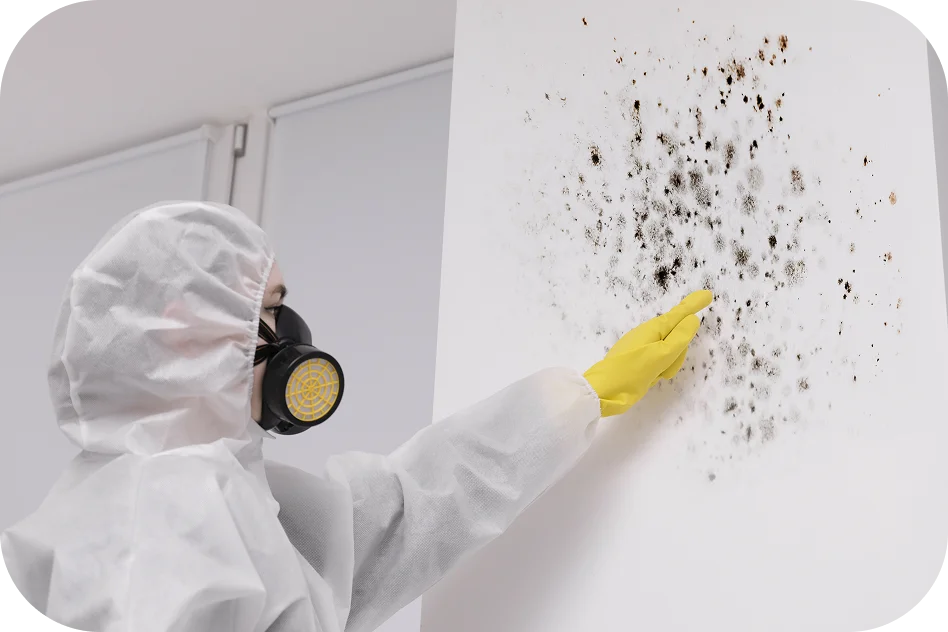

Florida is no stranger to hurricanes. The state’s geographic location makes it a hotbed for these powerful storms, which can wreak havoc on your home if you’re not prepared. But fear not! This blog post is designed to equip Florida homeowners with critical information on hurricane preparedness. By following these six essential tips, you can ensure that your home remains as secure as possible during the stormy season.
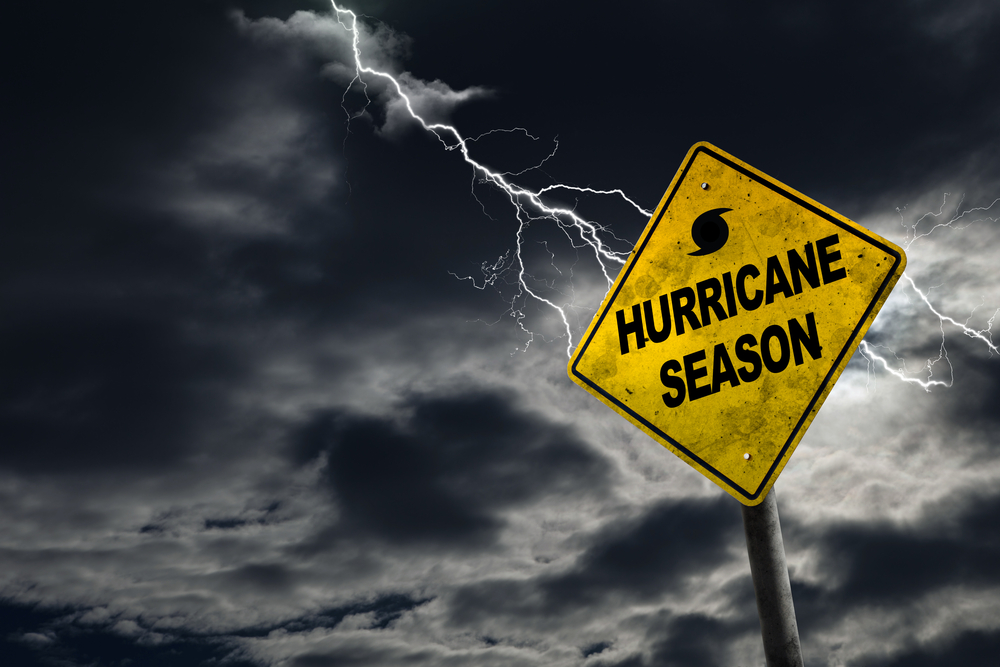
Understand the Risks and Have a Plan
The first step in hurricane preparedness for Florida homeowners is understanding the risks associated with hurricanes in your specific region. Knowing what you’re up against will help you tailor your hurricane plan to your unique needs.
Risks Include:
- Flooding
- High Winds
- Tornadoes
The Federal Emergency Management Agency (FEMA) provides useful resources to understand your local risks and create a personalized plan.
Strengthen Your Home’s Structural Integrity
One of the most effective ways to safeguard your home is to enhance its structural integrity.
- Roof Reinforcement: Use hurricane straps to secure your roof to the house frame.
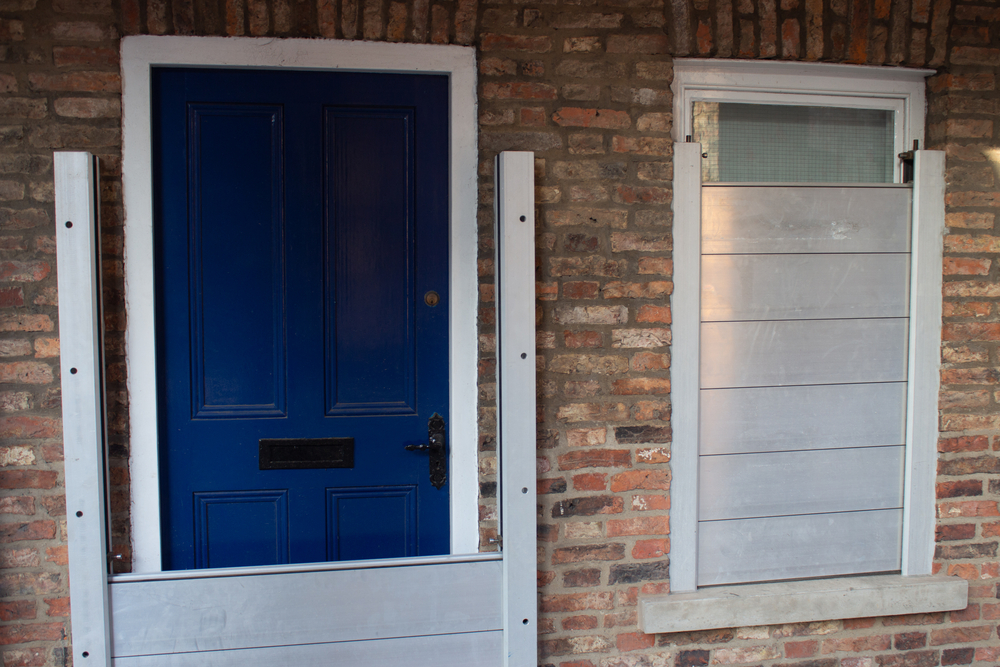
- Window Protection: Install impact-resistant windows or use storm shutters.
- Secure Doors: Reinforce doors, especially the garage door, which is generally the weakest point.
Trim Trees and Secure Loose Items
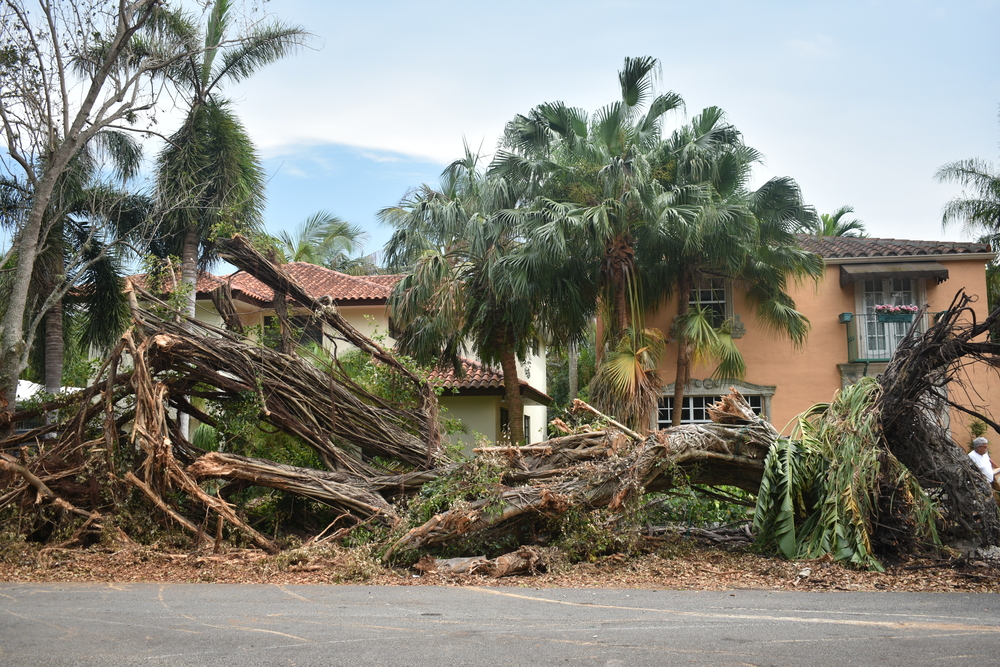
Unsecured items and overgrown trees can turn into dangerous projectiles during a hurricane.
- Tree Trimming: Remove dead or weak branches, and trim trees close to your home.
- Secure Loose Items: Anchor objects like patio furniture, or move them indoors.

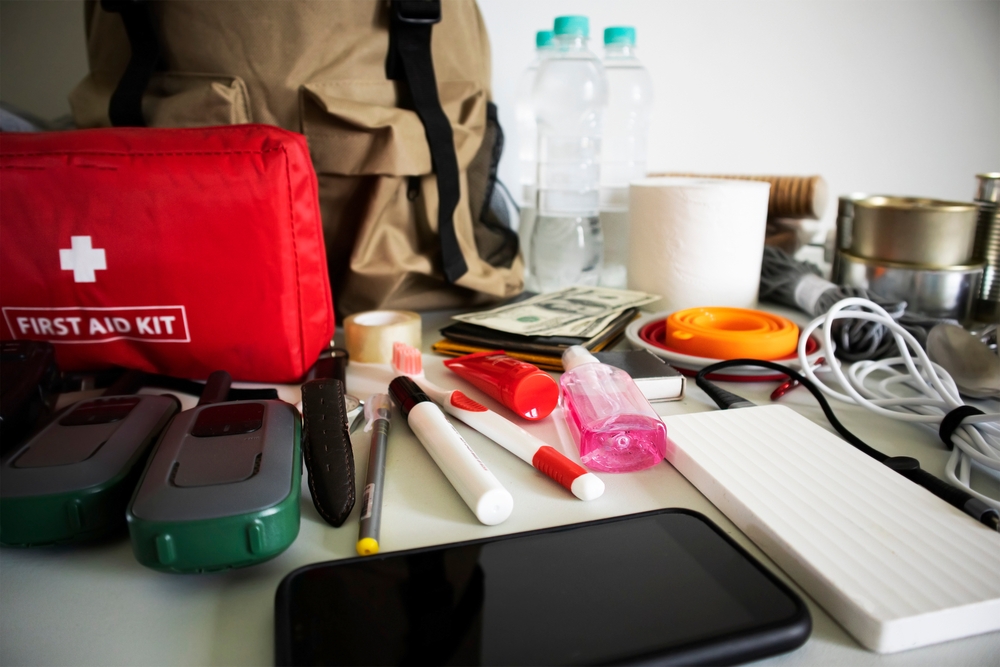
Create a Home Emergency Kit
A well-stocked emergency kit can be a lifesaver during and after a hurricane.
Essential Items:
- Non-perishable food
- Water
- First-aid supplies
- Flashlights and batteries
- Important documents
Stay Updated and Communicate
Being in the know is critical for hurricane preparedness for Florida homeowners.
- Local News: Keep an eye on local news and weather channels for real-time updates.
- Family Communication: Establish a communication plan with family members in case you get separated.
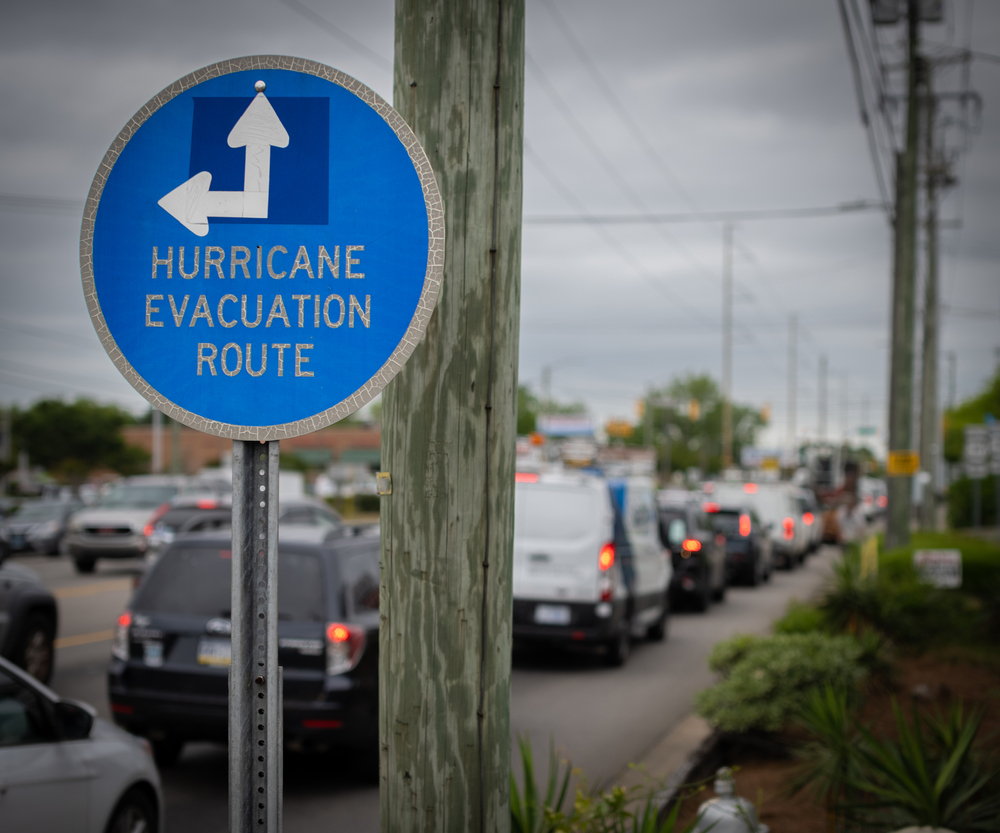
Know Your Evacuation Routes and Options
In some cases, evacuation may be the safest option. Make sure you:
- Know the Routes: Familiarize yourself with local evacuation routes.
- Have a Go-Bag: Pack a bag with essential items, including medications and pet supplies.
- Plan Ahead: Know where you’ll go and how you’ll get there, whether it’s a friend’s house or a public shelter.
Hurricane Preparedness for Florida Homeowners is Non-Negotiable
Florida’s susceptibility to hurricanes makes it imperative for homeowners to be proactive in safeguarding their homes. By understanding your risks, strengthening your home’s structural integrity, creating a comprehensive emergency kit, and knowing your evacuation options, you’re well on your way to keeping your home and family safe.
Here at ETA Mold, we understand that your home is one of your most valuable assets. While our primary focus is on tackling mold problems, we believe that a well-prepared home is a resilient one. If you have concerns about mold growth after a hurricane or flooding event, don’t hesitate to reach out to us.
So, this hurricane season, arm yourself with knowledge and take proactive steps to protect your home and loved ones. Remember, preparation is not just about surviving the storm; it’s about thriving afterward. Stay safe, Florida!
Disclaimer: This blog post is for informational purposes only and does not replace official advisories or professional advice. Always consult authorities and experts for the most current and accurate information.
Disclaimer: This blog post is for informational purposes only and does not replace official advisories or professional advice. Always consult authorities and experts for the most current and accurate information.
Frequently Asked Questions for Florida Homeowners
- When does the hurricane season officially start and end in Florida?
Hurricane season in Florida runs from June 1st to November 30th, with the highest activity between August and October. - What steps should I take to protect my home before a hurricane?
It’s essential to reinforce windows and doors, clean gutters, trim nearby trees, and secure outdoor objects that could become projectiles. - How can I prevent mold growth during hurricane season?
Keep your home well-ventilated, use dehumidifiers, and repair any water leaks immediately to prevent moisture buildup. - What should be included in an emergency hurricane kit?
Non-perishable food, drinking water (at least one gallon per person per day), flashlights, batteries, essential medications, and important documents in a waterproof container. - Is flood insurance necessary if I live in a non-flood zone?
Yes, floods can occur even outside high-risk zones. Flood insurance provides an extra layer of protection. - What is the “My Safe Florida Home” program and how can I benefit?
It’s a state initiative that offers grants up to $10,000 to help homeowners strengthen their properties against hurricanes, such as by installing impact-resistant windows. - How can I find out if my home is in an evacuation zone?
Check your county’s evacuation zone map or use online tools provided by local authorities to determine your location. - What should I do if I’m trapped in my house during a hurricane?
Take shelter in an interior room without windows, stay away from doors and windows, and wait for instructions from local authorities. - How can I protect my home from structural damage during a hurricane?
Consider reinforcing your roof, installing impact-resistant shutters, and securing doors and garages to minimize wind damage. - What should I do after the hurricane has passed?
Inspect your home for damage, avoid walking or driving through flooded areas, and contact local authorities for shelter and assistance information.