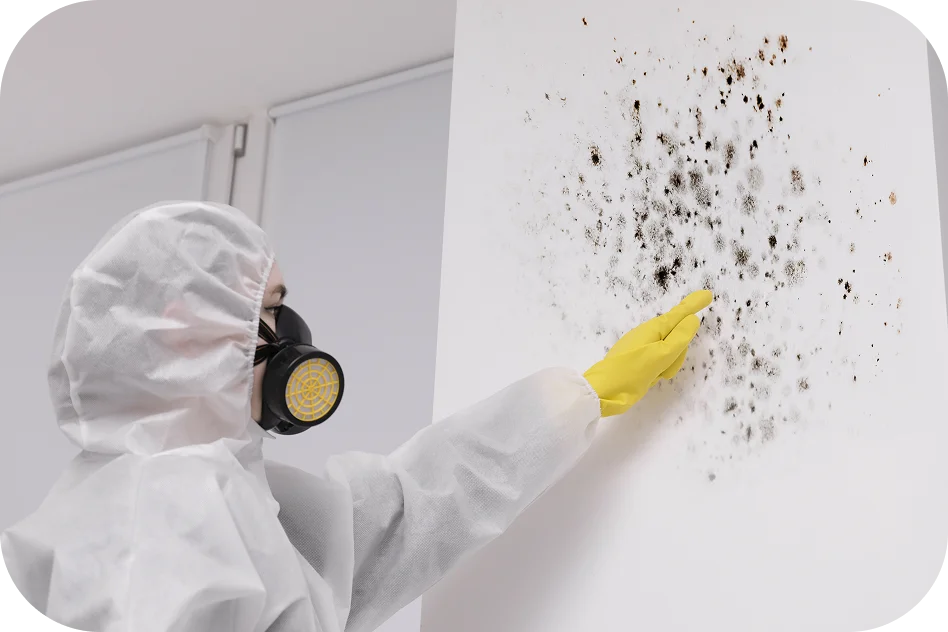

Mold is one of those problems that can sneak up on anyone. Cars are closed spaces, often exposed to moisture from rain, snow, spilled drinks, or even high humidity. When mold shows up inside a vehicle, it not only makes the car smell unpleasant but can also raise important health and safety questions. If you are wondering is mold in a car dangerous, the short answer is yes, and it is something you should not ignore.
In this guide, we will break down everything you need to know about mold in cars. You will learn why it grows, how to spot it, what risks it carries, how to test for it, and what steps you can take to remove it safely. Most importantly, we will emphasize the importance of inspection and testing before remediation, so you know exactly what you are dealing with before trying to clean it out.
What Causes Mold in a Car?
Mold needs two main things to grow: moisture and organic material. Cars unfortunately provide both in many ways.
- Moisture sources: Leaky windows, sunroofs, doors, or windshields. Spills from drinks or water bottles. Damp floor mats from rain or snow. Flood damage. Even humidity that gets trapped when a car is parked in a warm environment.
- Organic material: Fabric seats, carpet, leather, dust, and food crumbs all provide nutrients for mold to thrive.
Once spores land on a damp surface inside a car, growth can begin in as little as 24 to 48 hours. Because cars are enclosed spaces, the problem can become noticeable very quickly.
Is Mold in a Car Dangerous?
Now to the main question: is mold in a car dangerous? The answer depends on both the type of mold and your level of exposure. Mold can cause problems for anyone, but some groups are more sensitive, such as children, elderly passengers, and people with asthma, allergies, or weakened immune systems.
Health Risks of Mold in Cars
- Allergic reactions: Sneezing, runny nose, itchy eyes, and skin irritation.
- Respiratory issues: Coughing, wheezing, and shortness of breath. Prolonged exposure can worsen asthma or chronic bronchitis.
- Headaches and fatigue: Breathing in mold spores may contribute to ongoing tiredness or migraines.
- Infections: Certain molds, in rare cases, can lead to infections in people with compromised immune systems.
- Toxic mold concerns: Some species, such as Stachybotrys chartarum (often called black mold), can release mycotoxins that may cause more serious symptoms.
Even if the mold is not the “toxic” type, any mold in a car is undesirable because of the confined air circulation. The small cabin space means spores are concentrated in the air you breathe while driving.
Safety Risks Beyond Health
- Reduced visibility: Mold on windows can smear or fog glass surfaces.
- Damage to upholstery: Over time, mold breaks down fabrics and leather, leaving stains and unpleasant odors.
- Lower car value: A moldy car is difficult to sell or trade in.
So yes, mold in a car is dangerous both for health and for the overall condition of your vehicle.

Signs of Mold in Your Car
Catching mold early makes cleanup much easier. Here are the main warning signs:
- Musty smell – A damp, earthy odor is one of the first indicators.
- Visible growth – White, green, or black spots on seats, carpets, or panels.
- Foggy windows – Persistent condensation inside may suggest excess moisture feeding mold.
- Allergic symptoms in the car – If you sneeze, cough, or feel congested only when inside your vehicle, mold may be the culprit.
The Importance of Inspection & Testing Before Remediation
Before you jump into cleaning mold, it is critical to know what type and how much mold you are dealing with. This is where inspection and testing come in.
Professional mold inspectors use air sampling, surface swabs, or moisture meters. While DIY testing kits exist, a professional approach is more accurate and ensures you are not underestimating the risk.
In short: inspection and testing before remediation ensures you clean safely and thoroughly, not blindly.
How to Remove Mold from a Car Safely
Once you know the extent of the problem, it is time for remediation. Here are the main steps.
1. Safety First
- Wear gloves, goggles, and an N95 mask to avoid breathing spores.
- Work in a well-ventilated area, ideally outdoors.
2. Remove Moisture Sources
- Fix leaks in windows, sunroofs, or seals.
- Dry out the car completely with fans or a dehumidifier.
3. Clean Surfaces
- Vacuum: Use a HEPA vacuum to collect loose spores from carpets and seats.
- Wipe down: Clean vinyl, leather, and plastic with a mixture of warm water and mild detergent.
- Deep clean fabrics: For cloth seats and carpets, use a carpet cleaner with anti-fungal solutions.
- Natural solutions: Vinegar, baking soda, or diluted hydrogen peroxide can help kill mold.
4. Replace if Needed
- Severely infested carpets, mats, or upholstery may need replacement.
5. Air Out the Car
- Run the air conditioning on high with windows down to clear spores.
- Replace the cabin air filter to prevent recontamination.
When to Call a Professional
Sometimes mold infestations are too severe for DIY. Call a professional if:
- Mold covers large areas or is embedded in insulation or padding.
- You notice black mold or toxic-looking growth.
- Your inspection and testing results show high spore counts.
- You experience health symptoms when exposed.
Professional detailers and remediation specialists have industrial-grade cleaners, ozone machines, and protective equipment to handle the job safely.
How to Prevent Mold from Returning
After removing mold, prevention is key.
- Keep the car dry – Fix leaks promptly, clean up spills immediately, and avoid leaving damp items inside.
- Ventilate – Open windows periodically or use the car’s ventilation system to reduce humidity.
- Use moisture absorbers – Silica gel packs or car dehumidifiers help in humid climates.
- Regular cleaning – Vacuum and wipe down interiors often to remove food particles and dust.
- Inspect regularly – Check carpets, seats, and trunk for early signs of mold.

Frequently Asked Questions
Can I drive with mold in my car?
You can, but it is not safe. Even small amounts of mold release spores into the air. Breathing them daily can trigger allergies or other health problems.
Will professional detailing remove mold completely?
Some detailers offer mold removal packages, but effectiveness depends on the severity. Inspection and testing beforehand ensure you choose the right service.
Is black mold in a car worse than other mold?
Yes, black mold is associated with more severe health effects. However, all mold in a confined car space is considered harmful.
Can ozone treatments fix mold in cars?
Ozone treatments can help kill mold and remove odors, but they work best as part of a full remediation plan, not as a stand-alone solution.
Conclusion
So, is mold in a car dangerous? Yes, it can be harmful to your health, damaging to your vehicle, and costly if ignored. Mold thrives in moisture, and cars are prone to leaks and dampness, making them a perfect breeding ground.
The most important step before attempting cleanup is inspection and testing before remediation. By identifying the type and extent of mold first, you can be sure that the removal process is safe, complete, and effective.
With the right combination of prevention, timely action, and professional help if needed, you can keep your car clean, safe, and mold-free.