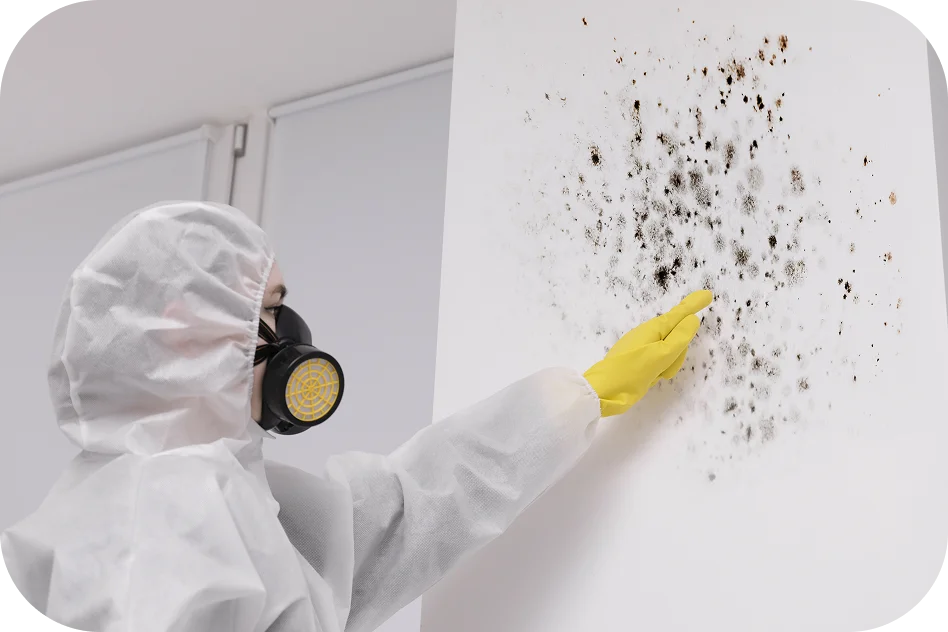

Mold is one of the most common household problems. It can grow quietly in hidden corners and only become noticeable when it spreads or causes health problems. Many homeowners wonder how to test for mold in the house so they can deal with the issue before it gets worse. Testing for mold is not just about confirming its presence but also about understanding where it is, what type it might be, and how serious the problem has become.
This guide will explain everything you need to know about mold testing at home, from signs that you might have a problem to professional testing methods.
Why Mold Testing Matters
Mold is more than just an ugly spot on a wall. It can cause structural damage to your home and affect indoor air quality. Some molds produce allergens or irritants that trigger sneezing, coughing, or skin irritation. People with asthma, allergies, or weak immune systems are at greater risk when exposed to mold for long periods.
Testing for mold helps you:
- Confirm whether mold is present in your home.
- Identify hidden mold growth behind walls, ceilings, or flooring.
- Understand the extent of the problem before beginning cleanup.
- Decide if you can handle removal yourself or if professional help is needed.
Knowing how to test for mold in the house gives you control over your home environment and helps protect your family’s health.
Common Signs You May Have Mold
Before you start testing, it helps to recognize the warning signs of mold growth. Mold does not always appear in obvious places, so watch for these indicators:
- Visible patches: Black, green, or white fuzzy spots on walls, ceilings, or furniture.
- Musty smell: A damp, earthy odor is one of the most reliable signs of hidden mold.
- Water damage: Past leaks, flooding, or high humidity often lead to mold.
- Health symptoms: Frequent coughing, sneezing, or allergy flare-ups indoors.
- Discoloration: Stains on walls, ceilings, or floors that look like water damage may actually hide mold.
If you notice any of these signs, it is time to learn how to test for mold in house.

Methods for Testing Mold in Your House
There are several ways to test for mold, ranging from simple at-home inspections to professional laboratory analysis. Each method has its pros and cons, depending on the severity of the issue.
1. Visual Inspection
The first step in testing for mold is always a thorough look around your home.
- Check damp areas like bathrooms, basements, kitchens, and laundry rooms.
- Look behind furniture, under carpets, and around window sills.
- Pay special attention to places where there has been water damage.
A visual inspection will not tell you the mold type, but it is the simplest way to identify problem spots.
2. Smell Test
Even if you cannot see mold, you may be able to smell it. Mold often produces a musty odor, similar to damp soil. Walk around your home and notice if any rooms smell different. A persistent musty smell is a sign of hidden mold growth.
3. Tape Lift or Swab Tests
This method is simple and inexpensive. You can use clear adhesive tape or a sterile swab to collect a sample from a suspected surface.
- Place the tape or swab directly on the moldy spot.
- Seal it in a clean plastic bag or container.
- Send the sample to a laboratory for analysis.
This approach confirms whether the growth is mold and can help identify the type. However, it requires lab testing for accurate results.
4. DIY Mold Test Kits
Many hardware stores sell mold test kits for homeowners. These usually involve collecting an air or surface sample and sending it to a lab.
Types of test kits include:
- Air sampling kits: These measure the number of mold spores in the air. High spore counts suggest a mold problem.
- Surface kits: These test visible mold patches directly.
- Settle plate kits: These involve leaving an open dish to collect spores that fall from the air.
DIY kits can give you an idea of mold activity, but they are not always reliable. The results may be affected by how the sample is collected or by contamination.
5. Professional Mold Testing
If you want accurate and detailed results, professional mold testing is the best option. Certified inspectors use specialized tools to detect mold and measure air quality.
Methods include:
- Air sampling: Collecting air samples to count mold spores and compare them to outdoor levels.
- Surface sampling: Testing materials like drywall, carpet, or wood for mold growth.
- Bulk sampling: Removing a small piece of material for lab analysis.
- Moisture mapping: Using infrared cameras and moisture meters to detect hidden water damage that may be feeding mold.
Professional testing is more expensive, but it provides a clear picture of the extent and severity of the mold problem.
Pros and Cons of Mold Testing Methods
| Method | Pros | Cons |
| Visual inspection | Free, quick, easy to spot obvious mold | Does not confirm type or severity |
| Smell test | Good for detecting hidden mold | Cannot locate exact source |
| Tape or swab test | Simple, low cost, confirms presence | Needs lab for results |
| DIY mold test kits | Easy to buy and use, affordable | Results often unreliable |
| Professional testing | Accurate, detailed, detects hidden mold | Higher cost |
Preparing for Mold Testing
If you decide to test for mold at home or through a professional, take these steps first:
- Document the problem: Take notes and photos of visible mold or water damage.
- Control moisture: Identify and fix leaks, damp spots, or ventilation issues.
- Protect yourself: Wear gloves, goggles, and a mask if handling moldy materials.
These precautions will help you stay safe and ensure that your testing results are useful.
What Mold Test Results Mean
Once you test for mold, you will either confirm its presence or rule it out. Here is what the results usually mean:
- Positive test: Mold is present, and you need to decide on removal methods. The results may also indicate the type of mold, such as Aspergillus, Cladosporium, or Stachybotrys (black mold).
- Negative test: No mold was detected, but keep in mind that mold can still be hidden in walls or floors. Ongoing musty odors may require further inspection.
- Air sampling results: High indoor mold spore counts compared to outdoor air indicate a significant problem.
Understanding the results helps you decide whether a simple cleaning or a full remediation project is required.
Mold Testing vs. Mold Remediation
It is important to remember that mold testing is only the first step. Once you know the extent of the problem, the next stage is remediation.
- Small areas (less than 10 square feet): Often manageable with cleaning solutions, scrubbing, and drying.
- Large infestations: May require professionals to safely remove contaminated materials, repair damage, and prevent regrowth.
- Hidden mold: If mold is inside walls, ceilings, or HVAC systems, professional remediation is strongly recommended.
Preventing Mold Growth After Testing
Once you have tested for mold in your house and taken steps to remove it, prevention is key. Mold thrives in moist, poorly ventilated spaces, so focus on controlling indoor conditions.
Tips for prevention include:
- Keep indoor humidity below 50 percent using dehumidifiers.
- Fix leaks in roofs, walls, or plumbing immediately.
- Ventilate kitchens, bathrooms, and laundry rooms with exhaust fans.
- Use air conditioners or air purifiers with HEPA filters to reduce spores.
- Clean and dry water-damaged materials within 24 to 48 hours.
- Regularly inspect basements, attics, and crawl spaces for moisture.
By maintaining a dry and well-ventilated home, you reduce the chance of mold returning.

When to Call a Professional
Testing for mold at home is useful, but some situations require expert help:
- Persistent musty odor without visible mold.
- Recurring mold growth despite cleaning.
- Mold covering more than 10 square feet.
- Suspected toxic black mold.
- Health symptoms that improve when leaving the home.
Professional inspectors can provide thorough testing, while remediation specialists can safely remove mold and address underlying causes.
FAQs About House Mold Test
Can I test for mold in my house without buying a kit?
Yes, you can do a basic test by using visual inspection and paying attention to musty odors. While this will not confirm the mold type, it can alert you to possible problem areas.
Is mold testing necessary if I can already see mold?
If mold is visible, testing is not always required. In most cases, visible mold means removal is needed. Testing becomes more useful when mold is hidden, when the type of mold is in question, or when health concerns are present.
How much does professional mold testing usually cost?
Professional mold testing typically costs between $300 and $800, depending on the size of the home, number of samples, and methods used.
Can I use bleach to test for mold in my house?
Bleach can show if a stain is organic, but it is not a reliable mold test. It may lighten the spot temporarily without addressing the root problem.
How long do mold test kits take to show results?
Most DIY mold test kits require samples to be sent to a lab. Results usually take 3 to 7 business days after the sample is received.
What is the difference between mold and mildew?
Mildew is a surface fungus that often looks white or gray and is easy to clean. Mold penetrates deeper into materials, has darker colors like black or green, and can cause structural damage.
Can pets be affected by mold in the house?
Yes, pets can develop respiratory issues, skin irritation, or allergic reactions when exposed to mold spores for long periods.
How accurate are home mold test kits compared to professional testing?
Home kits can give a general indication but are often less accurate due to improper sampling or contamination. Professional testing provides more reliable results and can detect hidden mold.
Can I test the air in my house for mold myself?
Yes, some DIY kits allow air sampling, but results vary. Professional air testing is more reliable because it compares indoor spore levels to outdoor levels.
Does homeowners insurance cover mold testing?
In many cases, standard homeowners insurance does not cover mold testing or remediation unless the mold was caused by a covered event such as a burst pipe. Always check your policy details.
Conclusion
Learning how to test for mold in house is an important step in keeping your home safe and healthy. From simple visual inspections to professional air sampling, there are many ways to detect mold. Testing helps you confirm whether mold is present, understand its extent, and choose the best removal approach.
Mold testing is not just about identifying a problem, it is about protecting your family’s health and preserving your property. Once you test, remember that prevention through moisture control and good ventilation is the key to avoiding future growth.
By staying proactive, you can keep your home mold free and ensure a safe, comfortable living environment for years to come.