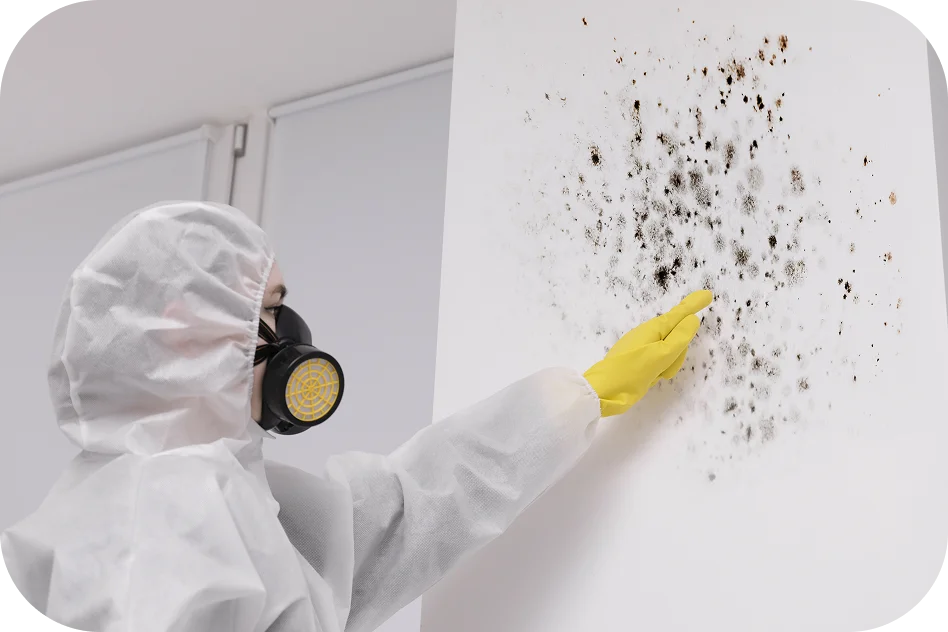

Finding mold inside your car can feel overwhelming. It looks unpleasant, smells bad, and can even affect your health. The good news is that with the right approach, you can safely and effectively remove mold from your car interior and keep it from coming back.
This guide walks you through everything you need to know about how to remove mold from car interior, including why it grows, how to clean it, and tips to prevent it in the future.
Understanding Mold in Cars
Mold is a type of fungus that grows in damp, warm, and poorly ventilated spaces. Cars can easily become breeding grounds for mold if moisture is trapped inside. Common causes include:
- Leaks in the windows, doors, or sunroof
- Wet clothing, shoes, or gear left inside the car
- Spilled drinks or food
- High humidity levels combined with poor air circulation
Mold often appears as fuzzy or slimy patches in colors like black, green, gray, or white. It usually comes with a musty odor that is hard to ignore.

Why You Should Not Ignore Mold in Your Car
Mold in your car is not just a cosmetic issue. It can lead to several problems if left untreated:
1. Health Concerns
Breathing in mold spores may cause allergies, respiratory irritation, headaches, and other health issues. For people with asthma or compromised immune systems, mold can be especially harmful.
2. Damage to Interior Materials
Mold can stain and weaken upholstery, carpets, and even leather. Once the material is damaged, it can be difficult or costly to restore.
3. Reduced Car Value
A car that smells like mold or shows visible mold damage will have a lower resale value.
For all these reasons, tackling mold quickly and thoroughly is essential.
Signs of Mold in Car Interiors
Not all mold is immediately visible. Here are the most common signs:
- Musty odor that lingers even when the car is ventilated
- Spots or patches on seats, carpets, or seat belts
- Foggy or dirty windows caused by mold spores circulating inside
- Increased allergy symptoms while driving
If you notice any of these warning signs, it is time to take action.

Safety First: Preparing to Clean Mold
Before you begin cleaning, protect yourself. Mold spores can easily spread and cause irritation. Use the following safety gear:
- Gloves
- Safety glasses
- A mask or respirator
- Old clothes that can be washed immediately after cleaning
You should also park your car in a sunny, well-ventilated area while cleaning. This helps reduce moisture and prevents mold from spreading back into the car.
Tools and Materials You Will Need To Clean Mold From Your Car Interior
Gathering the right supplies will make the process easier. Some common items include:
- A vacuum cleaner with a HEPA filter
- Spray bottle
- Soft brushes and microfiber cloths
- Baking soda
- White vinegar
- Hydrogen peroxide
- Dish soap
- Carpet cleaner or upholstery cleaner
- A wet-dry vacuum (optional but helpful)
How to Remove Mold from Car Interior in 9 Steps
Step 1: Remove Trash and Personal Items
Take out everything from the car, including floor mats, seat covers, and personal belongings. These items may be hiding mold and will need to be cleaned separately.
Step 2: Dry Out the Car
Moisture is the main reason mold grows. Start by airing out the car under direct sunlight. Leave the doors and windows open for a few hours if possible.
Step 3: Vacuum the Interior
Use a vacuum with a HEPA filter to suck up loose mold spores from seats, carpets, and vents. Make sure to reach into crevices and corners where mold can hide. Dispose of the vacuum bag immediately after use.
Step 4: Choose a Cleaning Solution
You can use several solutions depending on the severity of the mold:
- Vinegar: Effective against most types of mold. Mix equal parts white vinegar and water in a spray bottle.
- Baking soda: Works as a deodorizer and mild cleaner. Dissolve one tablespoon in a cup of water.
- Hydrogen peroxide (3 percent): Strong against tough mold stains. Use it directly in a spray bottle.
- Commercial mold cleaner: Available at auto stores and designed specifically for car interiors.
Step 5: Spray and Scrub Affected Areas
Spray the chosen solution on moldy spots and let it sit for 10 to 15 minutes. Then scrub gently with a soft brush or cloth. Repeat if necessary until the mold is gone.
Step 6: Treat Carpets and Upholstery
For carpets and fabric seats, use a carpet or upholstery cleaner after removing mold. This will lift stains and freshen the material. A wet-dry vacuum can help pull out excess moisture.
Step 7: Clean Leather Surfaces
If your car has leather seats, use a leather-safe cleaner. Avoid harsh chemicals like hydrogen peroxide, which can damage the finish. Apply a conditioner afterward to restore shine and flexibility.
Step 8: Disinfect and Deodorize
Once the visible mold is gone, spray the interior lightly with vinegar or hydrogen peroxide to kill any remaining spores. Let the car air dry completely. To absorb odors, sprinkle baking soda on the carpets and vacuum it up after a few hours.
Step 9: Dry Everything Thoroughly
Moisture left behind will cause mold to return. Keep the windows open or run the car’s heater for a while to ensure the interior is fully dry.

Special Areas to Check
Mold can hide in unexpected places. Make sure to check and clean:
- Air conditioning vents
- Seat belts
- Underneath floor mats
- Trunk lining
- Door seals
If the mold smell persists after cleaning, replacing the cabin air filter can also help.
When to Seek Professional Help
While most mold can be handled at home, there are situations where professional cleaning is the best option:
- The mold covers a large area or keeps returning
- You have health conditions that make exposure risky
- The mold has penetrated deep into the seats or insulation
- There is extensive water damage in the car
Professional detailers and mold remediation services have the equipment and solutions to handle severe cases safely.
Preventing Mold from Returning In Your Car
Once the mold is gone, prevention becomes the priority. Here are simple habits to keep your car mold-free:
- Fix leaks in windows, doors, or the sunroof right away
- Avoid leaving wet items like towels or clothing inside the car
- Clean spills quickly to prevent moisture buildup
- Park in sunny areas when possible
- Use dehumidifiers or moisture-absorbing packets in humid climates
- Run the air conditioning periodically to reduce moisture in vents
Consistent care goes a long way in preventing mold from reappearing.

Natural vs Chemical Car Interior Cleaners
Many people wonder whether to use natural cleaners like vinegar or stronger chemicals. Both have benefits:
- Natural cleaners: Safer for health and the environment, effective for small mold issues.
- Chemical cleaners: More powerful, often necessary for large or stubborn mold problems.
A good approach is to start with natural solutions. If mold persists, switch to stronger options or seek professional help.
Conclusion
Mold in your car interior is an unpleasant problem, but it does not have to be permanent. Now you know how to remove mold from car interior, it´s time to take action. By acting quickly, using the right cleaning methods, and keeping your car dry, you can restore a clean and healthy environment.
This guide has shown you the causes of mold, the step-by-step removal process, and how to prevent it from coming back. With patience and proper care, your car can stay fresh, safe, and mold-free for years to come.