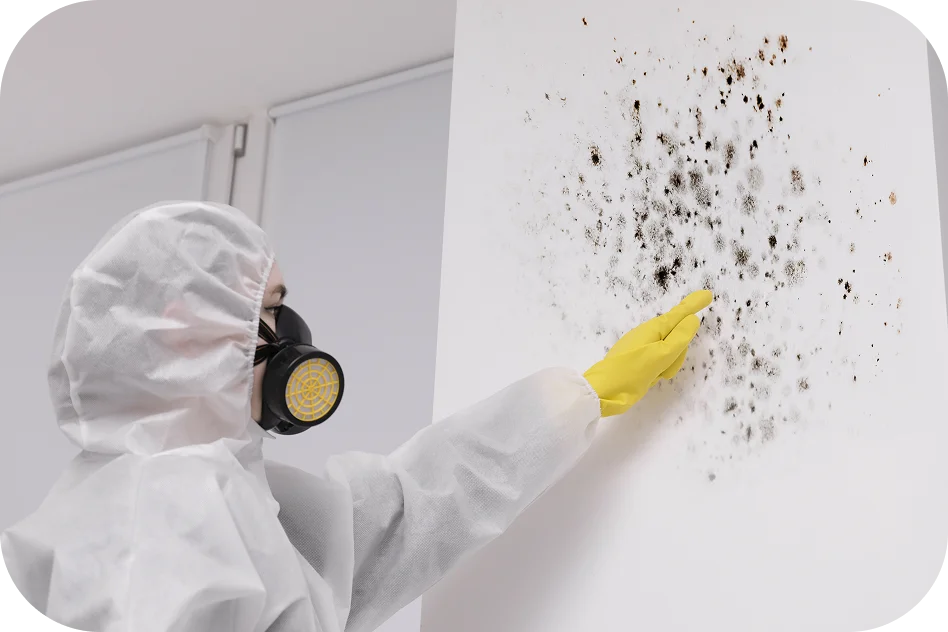

Mold on wood is a common problem in many homes. It can grow on wooden furniture, floors, walls, decks, and structural beams. Mold not only looks unpleasant but can also damage wood surfaces and affect indoor air quality. If left untreated, it can spread quickly and become harder to remove.
In this guide, you will learn how mold grows on wood, how to remove it safely, what cleaning solutions work best, and how to prevent mold from coming back. With the right approach, you can protect your home and keep wooden surfaces clean and healthy.
What Causes Mold to Grow on Wood
Mold grows when moisture, warmth, and organic material come together. Wood is a natural material that mold can easily feed on. When wood becomes damp, it creates the perfect environment for mold growth.
Common causes include:
- High humidity levels inside the home
- Water leaks from pipes or roofs
- Flooding or water damage
- Poor ventilation in bathrooms, kitchens, and basements
- Condensation on windows and walls
- Damp crawl spaces and attics
Even small amounts of moisture can lead to mold growth if the area does not dry properly.
Why Mold on Wood Is a Serious Problem
Mold is more than just a cosmetic issue. It can cause several problems if not treated quickly.
Health Concerns
Mold releases tiny spores into the air. Breathing in these spores can trigger allergies, asthma symptoms, coughing, and skin irritation. People with weak immune systems or respiratory conditions are especially sensitive to mold exposure.
Structural Damage
Mold slowly breaks down wood fibers. Over time, this weakens wooden structures, furniture, and flooring. If mold damage becomes severe, repairs can become expensive.
Bad Odors
Mold produces a musty smell that can spread throughout your home. This odor often signals hidden mold growth behind walls or under floors.
How to Tell If Wood Has Mold
Mold can appear in different colors and textures. Common signs include:
- Black, green, white, or gray spots on wood
- Fuzzy or powdery patches
- Musty odors near wooden surfaces
- Discoloration or staining
- Warping or soft spots on wood
Some mold grows beneath the surface, so visible stains may indicate deeper contamination.

Safety Precautions Before Removing Mold
Before you start cleaning mold, it is important to protect yourself. Mold spores can become airborne during cleaning.
Wear Protective Gear
Use the following safety equipment:
- Rubber gloves
- Safety goggles
- Face mask or respirator
- Long sleeves and pants
Ventilate the Area
Open windows and doors to improve airflow. Use fans to move fresh air into the space. Avoid using fans that blow air directly at the mold, as this can spread spores.
Isolate the Area
Close doors to prevent mold spores from spreading to other parts of the home. If possible, cover nearby furniture and surfaces with plastic sheets.
Step-by-Step Process to Kill Mold on Wood
Removing mold from wood requires patience and proper cleaning techniques. Follow these steps for best results.
Step 1: Dry the Area Completely
Mold thrives in moisture. Before cleaning, make sure the wood surface is dry.
Use towels, fans, or a dehumidifier to remove excess moisture. Fix any leaks or water issues that caused the mold growth.
Step 2: Vacuum Loose Mold Spores
Use a vacuum with a HEPA filter to remove loose mold particles from the wood surface. This helps prevent spores from spreading during cleaning.
Dispose of the vacuum bag or clean the filter after use.
Step 3: Choose a Mold Cleaning Solution
Several cleaning solutions can kill mold on wood. Choose one based on the severity of the mold and your preference.
Vinegar Solution
White vinegar is a natural mold killer.
- Pour undiluted white vinegar into a spray bottle
- Spray the moldy area
- Let it sit for one hour
- Wipe clean with a damp cloth
Vinegar kills most types of mold and helps prevent regrowth.
Baking Soda Solution
Baking soda is gentle and effective.
- Mix one teaspoon of baking soda with water in a spray bottle
- Spray the area
- Scrub with a soft brush
- Wipe clean
- Spray again lightly and let air dry
This method removes mold and absorbs moisture.
Hydrogen Peroxide
Hydrogen peroxide is a strong antifungal solution.
- Use 3 percent hydrogen peroxide
- Spray directly on the mold
- Let it sit for ten minutes
- Scrub and wipe clean
This works well on light-colored wood surfaces.
Commercial Mold Cleaners
Store-bought mold cleaners are designed to kill mold quickly. Always follow the instructions on the label and use proper ventilation.
Step 4: Scrub the Moldy Area
Use a soft-bristle brush or sponge to scrub the mold from the wood. Avoid using hard wire brushes, as they can damage the wood surface.
Work gently but thoroughly to remove visible mold.
Step 5: Wipe and Dry the Surface
Wipe the cleaned area with a clean cloth and warm water. Dry the wood completely using towels or fans.
Moisture left behind can cause mold to return.
What to Do If Mold Is Deep in the Wood
Sometimes mold penetrates deep into porous wood. If stains remain after cleaning, sanding may be necessary.
Sanding Moldy Wood
- Use fine-grit sandpaper
- Sand the affected area gently
- Wear a mask to avoid inhaling dust
- Vacuum and wipe the surface after sanding
After sanding, clean the area again and allow it to dry fully.

When to Call a Professional
Some mold problems are too large or dangerous to handle alone. Consider calling a professional mold removal service if:
- Mold covers a large area
- Mold keeps returning
- There is strong mold odor throughout the home
- Mold is caused by major water damage
- You have health concerns
Professionals have specialized equipment and experience to handle severe mold infestations safely.
How to Prevent Mold From Coming Back
Preventing mold is just as important as removing it. Follow these tips to keep wood surfaces mold-free.
Control Humidity Levels
Keep indoor humidity below 50 percent. Use dehumidifiers in basements and damp areas. Air conditioners also help remove moisture from the air.
Improve Ventilation
Use exhaust fans in bathrooms and kitchens. Open windows when weather allows. Proper airflow reduces moisture buildup.
Fix Water Leaks Quickly
Repair leaking pipes, roofs, and windows as soon as possible. Even small leaks can lead to mold growth.
Dry Wet Areas Immediately
If wood gets wet from spills or flooding, dry it right away. Use fans and towels to remove moisture.
Use Mold-Resistant Products
Consider mold-resistant paints and sealants for wood surfaces in moisture-prone areas like bathrooms and basements.
Mold Prevention for Outdoor Wood
Outdoor wood surfaces such as decks and fences are also vulnerable to mold.
Clean Regularly
Wash outdoor wood with mild soap and water to remove dirt and organic material that mold feeds on.
Apply Protective Sealants
Waterproof sealants create a barrier that prevents moisture from soaking into the wood.
Ensure Proper Drainage
Make sure water drains away from decks and wooden structures to avoid standing water.
Common Mistakes to Avoid
When dealing with mold on wood, avoid these common mistakes:
- Using bleach on porous wood. Bleach may not kill mold deep inside the wood.
- Ignoring moisture problems. Mold will return if moisture is not controlled.
- Scrubbing dry mold without protection. This can release spores into the air.
- Covering mold with paint. Painting over mold does not solve the problem.
Proper cleaning and moisture control are essential for long-term results.
Natural vs Chemical Mold Removal Methods
Many homeowners prefer natural solutions like vinegar and baking soda. These methods are safe, affordable, and effective for light to moderate mold growth.
Chemical cleaners work faster and may be needed for heavy mold infestations. Choose the method that best fits your situation and comfort level.
Conclusion
Mold on wood can be frustrating, but it is manageable with the right approach. By identifying the cause, using effective cleaning solutions, and controlling moisture, you can successfully remove mold and prevent it from returning.
Regular maintenance, proper ventilation, and quick action after water exposure are the best ways to protect your wooden surfaces. If mold problems become severe, professional help can ensure your home remains safe and healthy.
Taking the time to address mold now can save you money, protect your health, and preserve the beauty of your home’s wood surfaces.