
Many people are surprised to learn that almost every house has mold. This does not mean that every home has a dangerous mold problem. In most cases, small amounts of mold are completely normal and expected. Mold spores are part of the natural environment, and they are always present both outdoors and indoors. These tiny particles float in through doors, windows, vents, clothing, shoes, and pets. You cannot keep them out entirely.
A normal, healthy home will have some background levels of mold in the air. This is not usually harmful. A problem only begins when moisture allows mold to grow and multiply on surfaces like walls, ceilings, wood, or fabric. When that happens, spore levels can rise and indoor air can become less healthy. Understanding the difference between normal background mold and a mold problem can help homeowners make better decisions and avoid unnecessary panic.
What Mold Is and How It Works
Mold is a type of fungus. It thrives in warm, damp, and humid environments. Mold does not need light to grow, so it can grow in hidden areas like behind walls, under flooring, or inside air ducts. It feeds on organic materials, which are found almost everywhere in a house. These include drywall paper, wood, dust, fabric, cardboard, and even paint if it contains organic binders.
When mold spores find a damp spot with the right temperature and something to feed on, they can begin to grow within 24 to 48 hours. At first, the growth may not be visible. Over time, however, it can appear as spots, patches, or stains on surfaces. It may also produce a musty odor. If moisture remains for long periods, mold colonies can expand, and the air can carry a higher number of spores.
Why Mold Exists in Every Home
Every house, even newly built ones, has some mold spores floating in the air. This is because spores are incredibly small and light. They can travel long distances in outdoor air and easily drift inside. Normal daily activities also bring in spores. Opening doors and windows allows outside air to flow in. Pets and people track spores inside on shoes and clothing. HVAC systems can pull in air that already contains spores.
Even in a clean, well-maintained home, background levels of mold will always exist. This is why mold test kits almost always show some growth, even in houses without any real mold problem. The presence of mold spores alone does not mean a home is unsafe. What matters is whether those spores have found a moist place to settle and grow.
When Normal Becomes a Problem
Mold in small, background amounts is not usually harmful. It becomes a concern when moisture allows mold to grow and increase in number. High humidity, water leaks, or condensation give spores what they need to thrive.
A home with elevated moisture will often have more spores indoors than outdoors. This is a sign that growth is happening somewhere inside. It may be in plain sight, like on a bathroom wall, or hidden inside a wall cavity, under flooring, or in an HVAC system. The longer moisture remains, the more mold can spread.
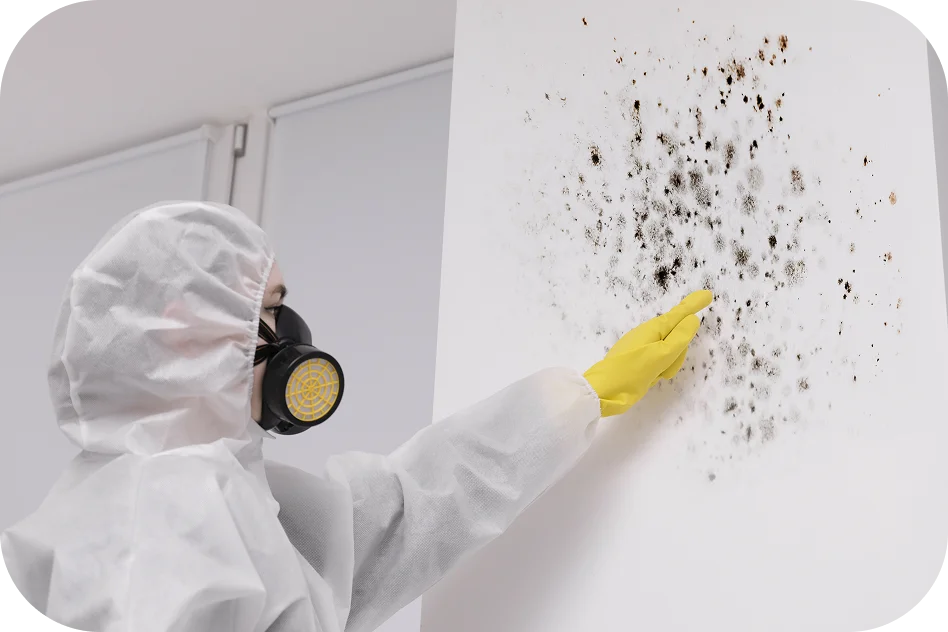
Visible mold growth is usually easy to recognize. It can appear as fuzzy or slimy patches in colors like black, green, white, or gray. In other cases, the only sign may be a persistent musty odor. Mold growth can sometimes hide behind freshly painted surfaces or behind cabinets, making it less obvious but still present.
Common Causes of Mold Growth
The most common cause of mold growth is moisture that is not cleaned up or dried quickly. Roof leaks, plumbing leaks, and window leaks are frequent culprits. A slow drip under a sink or behind a wall can feed mold growth for weeks before it is discovered. Condensation on cold metal vents or single-pane windows can also create damp conditions where spores settle.
High indoor humidity is another factor. When humidity stays above 60 percent for long periods, surfaces may hold enough moisture to support mold growth, especially on wood and drywall. Bathrooms, kitchens, basements, attics, and closets are common problem areas because they often trap moisture and have less airflow.
Poor ventilation also makes a difference. When steam and warm air are not vented out, moisture builds up on surfaces. This is why mold often appears in bathrooms without working exhaust fans or in closets that stay closed for long periods.
Hidden Areas Where Mold Often Grows
Not all mold problems are visible. Many homeowners first notice a problem because of an odor or a health reaction, not because they see growth. Common hidden mold locations include attics, crawl spaces, closets, HVAC systems, inside walls, under carpets, and behind appliances.
Attics can develop mold when roof leaks go unnoticed or when ventilation is poor. Duct leaks can also introduce moisture. Bathrooms are another common area. Even a small water leak under a sink can create an ideal growing environment if it goes unnoticed. Closets, especially those on exterior walls, can trap humid air, making them perfect places for mold to develop on clothing, shoes, and the back of drywall.
HVAC systems are often overlooked. Condensation inside ducts, around coils, and inside drip pans can provide enough moisture for mold to grow. Because air moves through the system, spores can spread to other parts of the home.

Signs That Indicate a Mold Problem
Some signs are obvious, such as visible patches of mold on walls or ceilings. Others are more subtle. A musty smell is one of the most common early warnings. This odor often comes from hidden mold colonies in walls, attics, basements, or HVAC systems.
Other signs include peeling or bubbling paint, warped baseboards, water stains, or areas where drywall feels soft or damp. Carpets that remain damp after a spill or leak can also harbor growth. If these signs are ignored, the mold can spread to other materials.
In some cases, people notice that they feel better when they leave their home and worse when they return. This is not proof of mold, but it can be a clue that something in the indoor environment is contributing to the discomfort.
How Mold Problems Are Found
When a mold problem is suspected, a careful inspection is often the best starting point. A good inspection involves more than just looking for visible growth. It starts with understanding the history of the property, such as past leaks, roof problems, plumbing issues, or flood events. Inspectors also look for moisture sources and check humidity levels in different rooms.
Moisture meters and thermal imaging cameras can help find hidden damp areas that may not be visible yet. HVAC systems are checked for dust buildup, condensation, or signs of growth inside the air handler and ductwork. If needed, samples can be collected for laboratory analysis to confirm whether indoor levels are higher than normal.
What Mold Testing Can and Cannot Tell You
Mold testing can help confirm whether mold levels indoors are higher than normal, and it can identify what types of mold are present. However, testing is not always necessary. In many cases, identifying and fixing the moisture source is the most important step.
Air samples can provide a snapshot of the number and type of spores in the air. Surface swabs or tape lifts can identify what is growing on a specific surface. Bulk samples involve collecting a small piece of material for lab testing. Results can usually be returned within a few days and interpreted in plain language.
However, mold testing alone does not fix the problem. It is most useful when it is part of a full inspection that includes moisture checks and a clear plan for addressing the cause of growth.
Why Mold Home Test Kits Are Often Misleading
Many people try home mold test kits, which usually involve leaving an open dish in a room and waiting for mold to grow. These kits almost always show growth because mold spores are already in every home. They do not tell you whether the level is normal or elevated, nor do they pinpoint the source.
Without a way to compare indoor levels to outdoor levels, these kits can lead to unnecessary fear. A professional inspection provides more useful information by identifying moisture sources and, if needed, collecting samples properly so they can be interpreted correctly.
How Moisture and Humidity Control Prevent Mold
Since mold needs moisture to grow, keeping your home dry is the most effective way to prevent problems. One of the best steps is to keep indoor humidity between 45 and 55 percent. A simple hygrometer can help you track humidity levels.
Leaks should be fixed as soon as they are noticed. Plumbing, roofs, and windows should be checked regularly for signs of damage or leaks. Bathrooms and kitchens should have working exhaust fans that are used during and after showers or cooking. Wet carpets, rugs, and furniture should be dried as quickly as possible.
Good airflow also makes a difference. Furniture should not be pressed tightly against exterior walls, and closets should not be overpacked so that air can circulate. HVAC filters should be replaced on schedule, and return vents should be kept clean to help maintain balanced air flow.
How Mold Affects Different Areas of a Home
Mold behaves differently depending on the area of the home. In attics, it often develops around roof leaks or near vents where warm, moist air collects. It can spread slowly on wood framing and insulation.
In bathrooms and kitchens, mold is often seen on grout, caulking, or drywall near sinks and showers. These areas stay damp more often, which makes it easier for mold to return after cleaning if ventilation is poor.
In HVAC systems, mold can grow inside the air handler or ducts if condensation builds up. When the system runs, spores can move to other rooms, which may explain why odors or symptoms seem to be everywhere, even if the growth is hidden in one spot.
Closets, basements, and crawl spaces can also support mold growth because they often have low airflow and higher humidity. Items stored in these spaces, like clothes, boxes, and fabric, can trap moisture and become affected without anyone noticing.
Why Mold Returns After Cleaning
A common frustration for many people is mold returning even after they clean it. This usually happens because cleaning removes the visible growth but does not solve the moisture problem. If a wall is wet on the inside, wiping the outside will not stop mold from growing again. If humidity stays high, surfaces can quickly become damp again, and spores will find a way to grow.
Using bleach on porous materials like drywall does not work well because bleach does not penetrate deeply enough. It may lighten stains temporarily, but the problem usually returns. Proper moisture control, not just surface cleaning, is the real solution.
Preventing Mold in the First Place
Mold prevention is mostly about moisture management. If you keep your home dry and well ventilated, mold will not have a good place to grow. Regularly check areas that are prone to leaks or dampness, like under sinks, near windows, in bathrooms, and around the air conditioning system.
Make sure gutters are working properly and that water is not pooling near the foundation. In bathrooms, use an exhaust fan every time you shower and let it run for a while afterward. If you do not have a fan, open a window if possible. Keep doors and windows in good condition so rain does not leak inside.
If you experience a leak, clean and dry the area as quickly as you can. Mold can start growing within one to two days, so fast action matters. Using a dehumidifier during wet weather or in damp rooms can also help keep moisture under control.
Why No Home Can Be Completely Mold-Free
Some people believe that a home can be completely mold-free, but this is not realistic. Mold spores are a natural part of the air we breathe. Even the cleanest, driest home will have some mold spores present. The real goal is not to eliminate every spore but to prevent them from growing into colonies.
This is why moisture control is so important. If the home stays dry, mold spores will not be able to grow, and their levels will remain in a normal range. A mold-free environment is not about removing spores. It is about preventing growth.

When to Get Professional Help
There are times when a mold issue is too big to handle alone. If there is a strong musty odor, visible growth over a large area, or signs of water damage inside walls, a professional inspection can help find the cause. Professional testing can also be helpful if you need documentation for a real estate transaction or insurance claim, or if you simply want a clear picture of what is happening.
A professional inspection can identify hidden problems that might not be obvious, such as leaks inside walls or growth inside the HVAC system. If work is needed afterward, you can choose any qualified company to handle it, and a follow-up inspection can confirm that the problem has been solved.
FAQs
1. Is it normal to find mold in every home?
Yes, almost every home has some mold, though in small amounts. Mold spores are naturally present in the air and enter homes through doors, windows, vents, clothing, and pets. This doesn’t mean every home has a dangerous mold problem—it’s a normal part of the environment.
2. How can I tell if the mold in my house is dangerous?
Mold becomes a concern when it grows and multiplies on surfaces like walls, ceilings, and fabrics due to moisture. If the mold is visible or there is a persistent musty smell, it may indicate a problem that needs attention. However, not all mold spores present in the air are harmful.
3. Why does mold grow in my home?
Mold needs moisture to grow. Common causes of mold growth include water leaks, high indoor humidity, and poor ventilation. Areas like bathrooms, kitchens, basements, and attics are especially prone to mold due to trapped moisture and insufficient airflow.
4. How can I prevent mold in my home?
Mold prevention is mainly about moisture control. Keep indoor humidity between 45% and 55%, fix leaks promptly, and ensure good ventilation in areas prone to moisture like bathrooms and kitchens. Additionally, using dehumidifiers and keeping surfaces dry will help prevent mold.
5. Can mold be hidden inside walls or in the HVAC system?
Yes, mold can grow in hidden areas, such as inside walls, under carpets, in attics, or within HVAC systems. Often, mold problems are not visible and are only noticed through a persistent musty smell or health symptoms.
6. How can I detect mold if it’s not visible?
Besides a musty odor, other signs include water stains on walls, peeling paint, warped or moldy baseboards, and soft or damp drywall. If symptoms worsen while you’re at home but improve when you leave, this could be a clue that mold is present somewhere in the house.
7. Are home mold test kits reliable?
Not always. Home test kits typically show mold growth because spores are present in every home. Without properly comparing indoor levels to outdoor levels, these kits can cause unnecessary alarm. A professional inspection is more accurate in determining if there is a real mold problem.
8. When should I call a professional for mold issues in my home?
If there is visible mold over a large area, a strong musty smell, or signs of water damage inside the walls, it’s time to consider a professional inspection. Professional testing can also be helpful if you need documentation for real estate transactions or insurance claims. Professionals can identify hidden issues and ensure the problem is properly addressed.