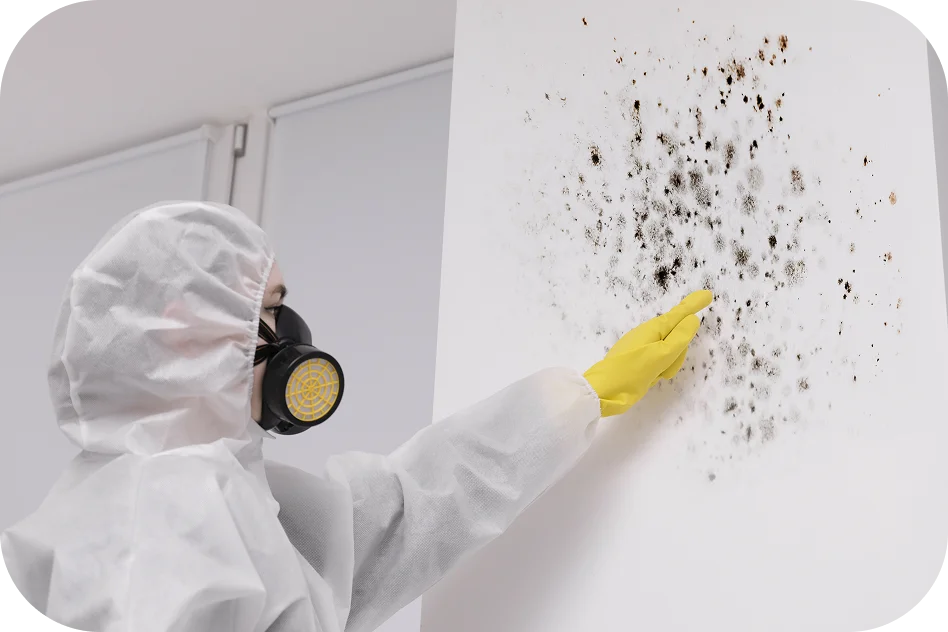

If you’ve ever walked into a room and noticed a strange, earthy, or musty odor, there’s a good chance you were smelling mold. Many people notice mold before they see it because its odor is one of the first signs of hidden growth. But what does mold smell like exactly? Understanding the distinct scent of mold can help you detect it early, prevent property damage, and protect your health.
This complete guide explains what mold smells like, how to tell it apart from other odors, what causes the smell, where to look for it, and what to do if you notice it in your home.
Understanding What Mold Is
Mold is a type of fungus that thrives in damp, dark, and humid places. It grows by releasing microscopic spores that float through the air until they land on a suitable surface, such as wood, drywall, or fabric. When these spores find moisture and organic matter, they start to grow and spread.
As mold grows, it breaks down materials and releases volatile organic compounds (VOCs). These chemical compounds are what create that distinctive odor we associate with mold. Even if you can’t see mold, those airborne VOCs can make your home smell musty.
What Does Mold Smell Like?
People describe the smell of mold in many ways, but the most common description is musty or earthy. Imagine the scent of damp soil, wet wood, or old paper that has been stored in a humid basement, that’s the kind of smell mold often gives off.
However, the exact smell can vary depending on the type of mold and the surface it’s growing on. Here are some common ways people describe mold odor:
- Musty or stale: Like an old, unused basement or a closet that’s been closed for years.
- Earthy: Similar to the smell of damp dirt, wet leaves, or forest floor.
- Damp or humid: A lingering odor that feels heavy and moist in the air.
- Rotten or sour: Some molds give off stronger, almost spoiled odors similar to rotting wood or food.
- Sweaty or mildewy: In bathrooms and laundry areas, mold may smell like wet towels or sweaty clothes left too long in a hamper.
Each of these variations is caused by different VOCs and microbial activity. The more mold grows, the stronger the odor usually becomes.
The Difference Between Mold and Mildew Smells
Many people use the terms “mold” and “mildew” interchangeably, but they’re slightly different. Mildew is a lighter form of mold that often grows on surfaces like fabrics, paper, and bathroom tiles.
- Mildew smell: Light, somewhat sweet, and musty, like damp laundry.
- Mold smell: Stronger, earthier, and sometimes sharp or sour.
If the odor in your home is light and only appears in humid areas, it could be mildew. If it’s strong, persistent, or spreading through multiple rooms, you’re likely dealing with mold.
Why Mold Smells the Way It Does
The smell of mold comes from microbial volatile organic compounds (MVOCs). These are gases produced as mold digests organic material. Some of the most common MVOCs responsible for the smell include alcohols, aldehydes, and ketones, the same chemicals that can be found in decaying plants or fermenting substances.
MVOCs don’t just smell bad; they can also cause mild irritation for some people. If you’re sensitive, you may notice:
- Headaches or dizziness
- Irritated eyes or throat
- A stuffy or runny nose
- Nausea or fatigue
While MVOCs themselves are not always toxic, the presence of mold means there may be other harmful particles or allergens in the air.
Common Places Where Mold Smell Appears
Since mold thrives in moist environments, certain areas of your home are more likely to develop that signature smell. Here are the most common places where mold odor is detected:
1. Basements and Crawl Spaces
These areas are prone to high humidity and poor ventilation, making them perfect breeding grounds for mold. Smells here are often earthy or damp.
2. Bathrooms
Leaky pipes, wet towels, and poor air circulation allow mold to grow behind walls, under sinks, or around tiles. The smell can be sour or musty.
3. Kitchens
Dishwashers, sinks, and refrigerator drip pans can harbor hidden moisture. A faint, spoiled odor may indicate mold in these areas.
4. Laundry Rooms
Washing machines, especially front-loaders, often trap moisture in rubber seals, creating a moldy or mildew smell.
5. Attics
Roof leaks and insulation that traps humidity can cause mold growth in attics. The smell is typically earthy and strong.
6. Air Conditioning or HVAC Systems
If you notice the musty smell spreading through your entire house, the source could be mold inside your ductwork or air handler.
How to Tell If the Smell Is Mold
Sometimes, other household smells can mimic mold – such as pet odors, dirty carpets, or damp wood. Here’s how to tell the difference:
- The smell doesn’t go away. If the odor lingers even after cleaning or airing out the room, mold may be growing in hidden spots.
- It worsens after rain or humidity. Mold smell tends to intensify when moisture levels rise.
- It’s localized. You may notice it’s stronger in one area, like near a wall, vent, or under flooring.
- There are visible clues. Discoloration, water stains, or dark spots often appear where the smell originates.
- Health symptoms. If you feel congested, itchy, or sneeze more in a certain area, that’s another sign of mold.
What to Do When You Smell Mold
If you catch that telltale musty scent, take it seriously. Mold can spread quickly and cause both property damage and health problems. Here’s what you can do:
Step 1: Locate the Source
Start by following your nose. Smell along walls, near baseboards, behind furniture, and around plumbing fixtures. Mold often hides under carpets, behind wallpaper, or inside walls.
Step 2: Check for Moisture
Look for leaks, condensation, or damp spots. A moisture meter can help detect hidden dampness in walls or floors.
Step 3: Improve Ventilation
Open windows, use fans, or install a dehumidifier to reduce humidity levels below 50%. This can slow mold growth.
Step 4: Clean Minor Mold
For small patches (less than 10 square feet), you can clean the area with detergent and water or a solution of one part vinegar to one part water. Avoid mixing vinegar and bleach.
Step 5: Call a Professional
If the odor persists or the mold covers a large area, contact a mold remediation specialist. Professionals can test air quality, locate hidden colonies, and safely remove the mold without spreading spores.
Can You Get Rid of the Smell Without Removing the Mold?
Not really. Air fresheners, candles, or sprays may mask the odor temporarily, but they don’t solve the problem. The smell will always come back unless the mold itself is removed.
To permanently eliminate the odor, you must remove the source of moisture and clean or replace contaminated materials. This may include drying carpets, fixing leaks, or even removing parts of drywall in severe cases.
How to Prevent Mold Smells in the Future
Prevention is key when it comes to mold. Once you’ve cleaned up or removed mold, take these steps to keep your home fresh and dry:
- Control humidity: Use a dehumidifier, especially in basements or bathrooms.
- Fix leaks quickly: Even small drips can lead to big problems over time.
- Improve airflow: Use exhaust fans in kitchens and bathrooms to reduce moisture buildup.
- Clean regularly: Dust and dirt feed mold, so vacuum and wipe surfaces often.
- Inspect appliances: Check washing machines, dishwashers, and air conditioners for trapped water.
- Use mold-resistant materials: In areas prone to moisture, consider mold-resistant paint or drywall.
By maintaining a dry environment, you can stop the smell before it starts.
When Mold Smell Becomes a Health Concern
Mold odor isn’t just unpleasant, it can signal indoor air pollution. Prolonged exposure can cause symptoms in sensitive individuals, including:
- Coughing or wheezing
- Eye and skin irritation
- Worsening of asthma or allergies
- Fatigue or brain fog
If you or your family experience these symptoms, especially when you’re at home, it’s wise to investigate the cause. Testing the air or hiring a professional inspection can reveal whether mold is present and what type it is.
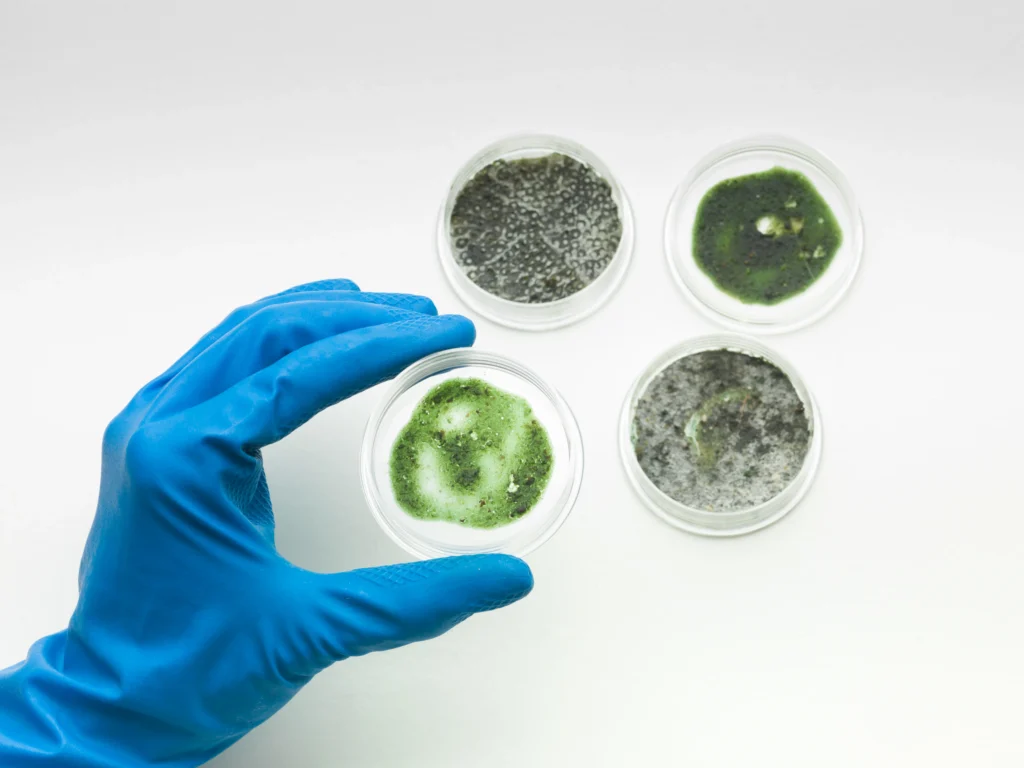
What Different Mold Types Smell Like
Although all molds have that damp, musty character, certain species have unique odors:
- Aspergillus: Can smell like old cheese or dirty socks.
- Cladosporium: Often gives off an earthy, wet-wood scent.
- Penicillium: Sometimes smells slightly sweet or fermented.
- Stachybotrys (black mold): Produces a strong, pungent, rotting odor that is hard to ignore.
Recognizing these differences can help professionals identify the type of mold growing in your home.
Key Takeaway – Trust Your Nose
Your sense of smell can be your first warning system against hidden mold. That musty, earthy scent should never be ignored. Whether it’s mild mildew in a bathroom or black mold behind walls, early detection makes removal easier and prevents costly damage.
If you ever find yourself wondering “What does mold smell like?”, remember that it’s more than just an unpleasant odor, it’s a sign of moisture problems and possible health risks. By locating, cleaning, and preventing mold, you can keep your home safe, fresh, and comfortable.
FAQs About Mold Smell
1. Can mold smell even if you cannot see it?
Yes. Mold can hide behind walls, under floors, or inside air vents where it is not visible. The smell often appears before any visible mold does, making odor one of the first signs of hidden growth.
2. How long does it take for mold smell to go away after cleaning?
The smell should fade within a few days once all mold and moisture are removed. If the odor stays longer than a week, it may mean there is still hidden mold or dampness in the area.
3. Can pets notice mold smell before humans do?
Yes. Pets, especially dogs, have a very strong sense of smell. They may react to mold by sneezing, avoiding certain rooms, or showing signs of discomfort long before humans notice the odor.
4. Does black mold smell different from other kinds of mold?
Black mold often has a stronger and more unpleasant odor. People describe it as rotten, musty, or similar to wet wood or dirty socks. Other molds may have lighter or earthier smells.
5. Can an air purifier remove mold smell completely?
Air purifiers with HEPA and carbon filters can reduce mold odor in the air. However, they cannot remove the smell completely because they do not eliminate the mold source. The mold itself must be cleaned or removed.
6. Why does the mold smell come back after cleaning?
If the smell returns, there may still be moisture or hidden mold somewhere nearby. Mold can hide under carpets, behind walls, or inside insulation. It is important to fix all leaks and dry the area fully.
7. Can mold smell cause health problems?
Yes. The smell itself is not harmful, but the mold spores and gases that create it can cause health issues. People may experience coughing, headaches, watery eyes, or allergy symptoms if they breathe it in often.
8. How can I tell if the smell is mold or plumbing related?
Mold usually smells earthy or musty, while plumbing problems often smell like sewage or sulfur. If both smells are present, you may have a leak that is also causing mold growth.
9. Does all mold have a smell?
Most molds create some type of odor, but the strength and character of the smell depend on the species and environment. Some molds have a faint earthy smell, while others smell sharp or sour.
10. Can professional mold testing help find the source of the smell?
Yes. Professionals can use tools like air sampling and moisture meters to locate hidden mold. Even if you only notice a smell, testing can confirm whether mold is present and identify the type.
Conclusion
Mold smell is usually described as musty, earthy, or damp, similar to the scent of wet soil or old books. It’s caused by airborne compounds released as mold grows and decomposes organic material. While some people may overlook it, that smell often means mold is hiding somewhere, and ignoring it can lead to structural damage or health issues.
The best solution is to act quickly: identify the source, clean up small areas safely, and call professionals for larger infestations. With proper ventilation and moisture control, you can stop mold before it starts, and enjoy a cleaner, fresher home environment.